Google Tests Space-Based Data Centers Despite Warning They Could Cost 100 Times More Than on Earth


2 Sources
[1]
Just a moonshot? Google energy head claims data centers in space would cost up to 100x more than on Earth
* Google global head of data center energy says space data centers could cost up to 100 times more than terrestrial ones * Amanda Peterson Corio's remarks came weeks after Google launched its first Suncatcher prototype, a roughly 1kW satellite that has since run Gemma 4 on an orbiting TPU, one
[2]
How Google Plans to Build Data Centres in Space Using AI Satellites?
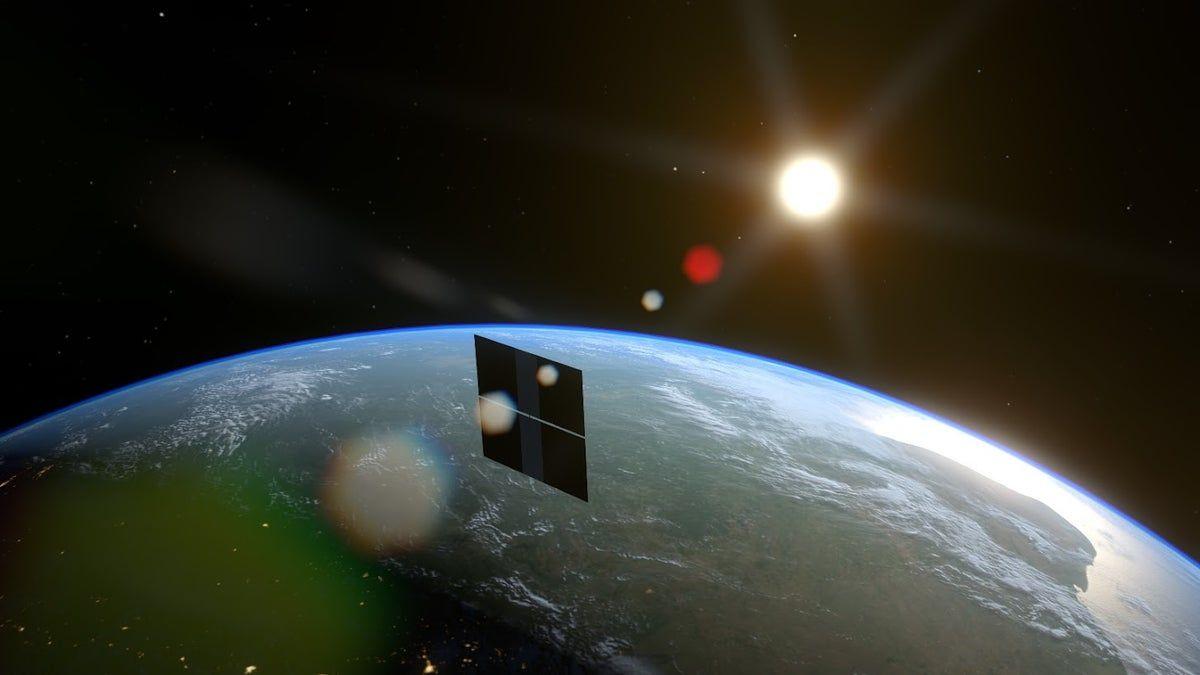
Google's Project Suncatcher is testing solar-powered satellites carrying TPUs to process AI workloads in orbit, aiming to build future space-based data centres despite major cost, radiation and cooling challenges. Google is testing whether solar-powered satellites carrying TPUs can process AI
Share
Copy Link
Google launched its first Project Suncatcher prototype with AI satellites carrying TPUs that successfully ran the Gemma 4 AI model in orbit. But Amanda Peterson Corio, Google's global head of data center energy, warned that space-based data centers could cost up to 100 times more than terrestrial data centers, urging the industry to explore Earth-based options first.
Google Launches First AI Satellite While Energy Chief Questions Economics
Google has placed itself at the center of a growing debate over the future of AI infrastructure by simultaneously testing orbital AI experiments while its own energy executive casts doubt on their viability. Amanda Peterson Corio, Google's global head of data center energy, told attendees at The Information's WTF Summit in Napa Valley that data centers in space could cost up to 100 times more than terrestrial data centers
1
. Her recommendation was direct: explore all terrestrial options before considering extraterrestrial alternatives. This statement arrives just weeks after Google launched its first Project Suncatcher prototype on SpaceX's Transporter-18 rideshare mission on October 1, 20262
.Project Suncatcher Achieves Orbital AI Milestone
The Project Suncatcher satellite, built in partnership with satellite operator Planet, recently completed what Google calls its "Hello World" milestone. An onboard Gemma 4 AI model running on a Tensor Processing Units (TPU) wrote a short haiku about being in space, which was downlinked as the satellite passed over Svalbard, Norway
1
. Google describes this as the first AI response from a data center-class TPU in orbit, though the claim is carefully measured given that Starcloud deployed an Nvidia H100 into orbit a year earlier1
. The current prototype carries four TPUs but generates only about 1 kW of solar power, allowing it to run just one chip at a time for roughly 20 minutes per session1
. This stands in stark contrast to a single 1 GW AI campus under construction on Earth, which draws about a million times that much power.Vision for Solar-Powered Satellite Constellations
Project Suncatcher, announced on November 4, 2025, represents Google's exploration of whether networks of solar-powered satellites equipped with TPUs could harness sunlight in low-Earth orbit to support large-scale machine learning
2
. The company envisions potential clusters of 81 AI satellites arranged across roughly a kilometer, each contributing computing power to a shared system through inter-satellite laser communication2
. Google argues that satellites in orbit could access near-constant sunlight and potentially generate up to eight times more solar power than comparable installations on Earth2
. A two-satellite test planned for 2027 will evaluate distributed AI computing and whether AI workloads can be divided and coordinated across multiple spacecraft in orbit2
.Economic Reality Check Sparks Market Concerns
Corio's cost warning has triggered scrutiny on Wall Street about the economics underpinning orbital compute ventures. Short seller Jim Chanos calculated her statement as implying $5 trillion per gigawatt of compute and posted that the gap between her view and estimates from SpaceX management should concern anyone modeling this business
1
. TIKR extended this analysis by examining SpaceX CFO's recent claim that new compute pays for itself in under a year at current rental rates. Built in orbit at up to 100 times the cost and rented at the same price, payback could stretch to as long as a century, or about a decade even at a tenth of Corio's stated ceiling1
. This matters because orbital compute underpins part of SpaceX's roughly $1.8 trillion market value, with the company seeking FCC permission to launch up to a million data-center satellites1
.Technical Hurdles and Timeline Expectations
Travis Beals, Project Suncatcher lead, told NPR on launch day that he does not expect orbital compute to become cheaper than terrestrial alternatives within the next five years
1
. The project confronts several major technical challenges. Launch costs would need to fall to about $200 per kilogram for orbital computing to become broadly economical, a level Google associates with the mid-2030s2
. Space radiation can disrupt electronics and corrupt data, requiring Google to test how its TPUs withstand radiation and physical stresses of spaceflight2
. Heat management presents another obstacle since there is no air in space for conventional cooling, requiring satellites to use radiators and other systems to release waste heat2
.Related Stories
Permitting as the Real Bottleneck
Corio's broader argument focused on terrestrial constraints rather than technological limitations. She said the US has enough power and that the real bottlenecks are permitting and grid interconnection studies
1
. She blamed much of the local backlash against data centers on newer, less experienced developers and said Google prepays for grid upgrades over 15 to 20 years in more than 9 states, posts restoration bonds, and has stopped using nondisclosure agreements with local governments1
. This creates an ironic tension: backers of orbital compute claim they can escape the politics of permitting, yet Google's energy chief identifies those same politics as the primary obstacle rather than fundamental resource constraints.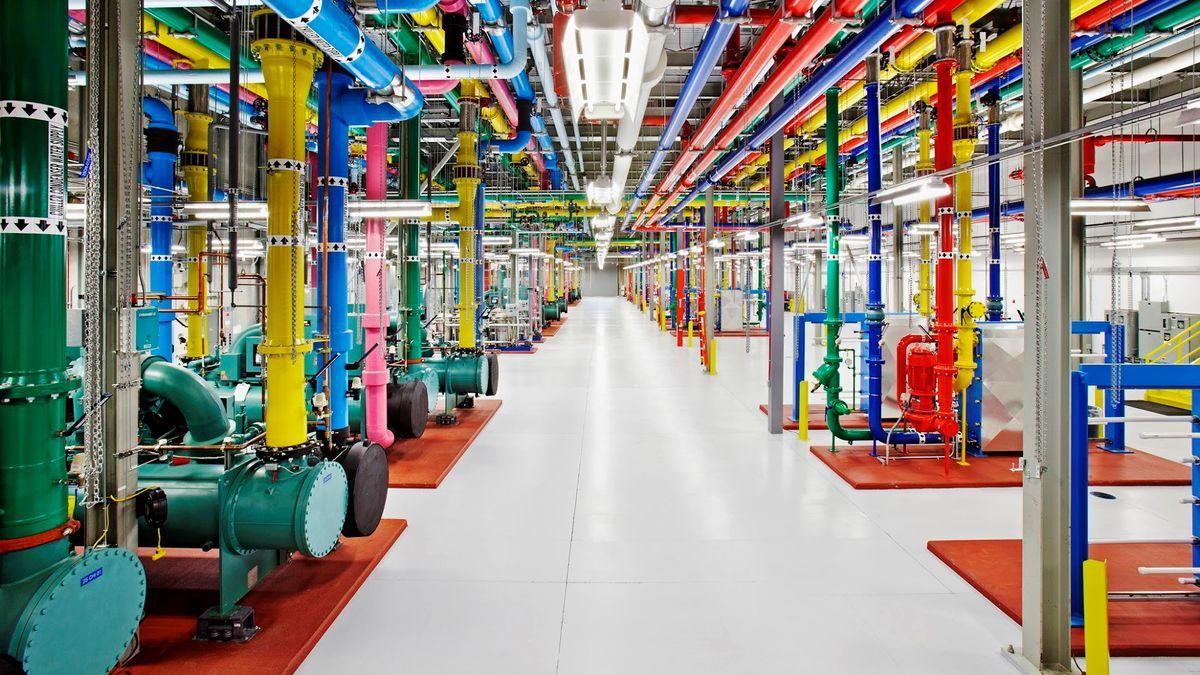
Source: TechRadar
Industry Skepticism and Competing Visions
OpenAI's Sam Altman called the idea of space-based data centers "ridiculous" under current conditions earlier this year, even as Nvidia lined up a Space-1 Vera Rubin module aimed at orbital data centers
1
. SpaceX's own IPO paperwork warned investors of "significant technical complexity and unproven technologies" and said its orbital data centers might never become commercially viable1
. Alphabet holds a 6.11% stake in SpaceX as of the end of 2025 according to Bloomberg, and Google has reportedly been in talks with SpaceX about launching future Suncatcher hardware1
. This creates a complex dynamic where Google's energy chief has questioned a thesis that props up part of an asset Alphabet owns, while Google's own moonshot depends on cheap SpaceX launches arriving on schedule.References
Summarized by

Navi
[1]
[2]
Related Stories
AI Trained in Space as Tech Giants Race to Build Orbiting Data Centers Powered by Solar Energy
11 Dec 2025•Technology
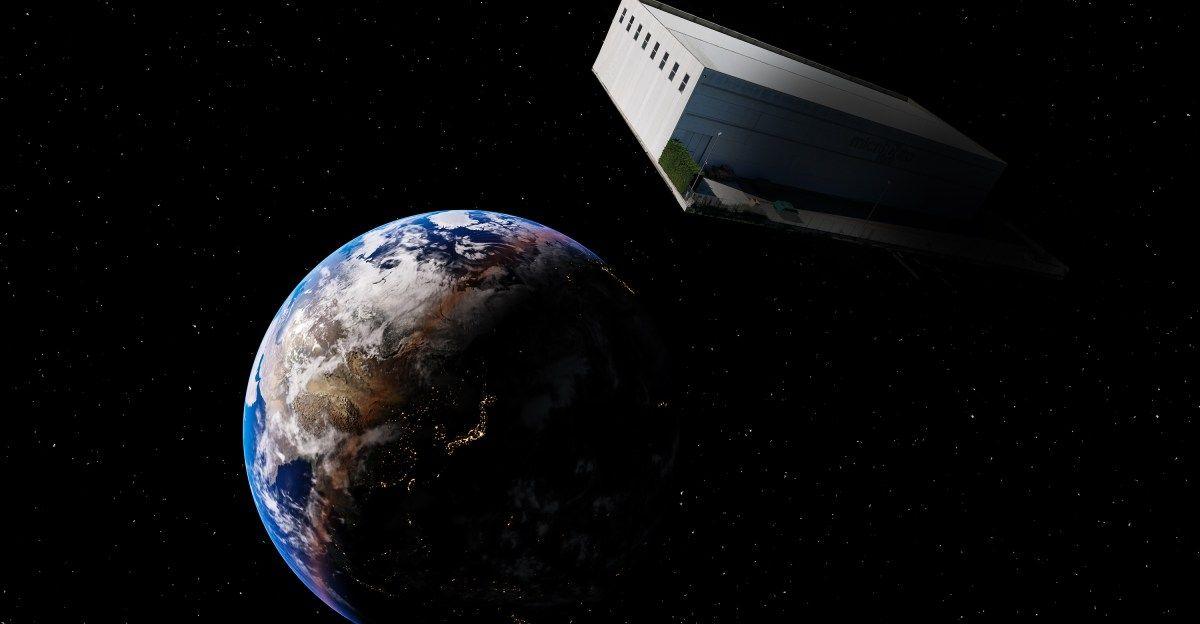
Google Launches Project Suncatcher to Test AI Data Centers in Space with TPUs Aboard SpaceX Rocket
01 Oct 2026•Technology

Google Announces Project Suncatcher: Ambitious Plan for AI Data Centers in Space
04 Nov 2025•Technology

Recent Highlights



Recent Highlights
Today's Top Stories










Don’t drown in AI news. We cut through the noise - filtering, ranking and summarizing the most important AI news, breakthroughs and research daily. Follow topics that matter to you and stay ahead.


