Google picked Blue Origin's rocket to test AI chips in space


7 Sources
[1]
Google turns to Blue Origin for a rocket, but its long-term problem remains
Blue Origin announced Thursday that its New Glenn rocket will launch data center satellites for Google in 2029 as part of that company's Project Suncatcher program. Google disclosed it was working on scalable orbiting data centers about a year ago and characterized the project as one of its
[2]
Blue Origin will launch Google's AI server satellites in 2029
Google is teaming up with Jeff Bezos' Blue Origin to launch its AI server satellites. The companies announced on Thursday that Blue Origin's New Glenn rocket will shuttle satellites equipped with Google's Tensor Processing Units (TPUs) into space in the first quarter of 2029. The partnership is
[3]
Google picks Bezos' Blue Origin to launch AI computing satellites in 2029
Nov 19 (Reuters) - Jeff Bezos' Blue Origin said on Thursday that Alphabet's (GOOGL.O), opens new tab Google had selected its New Glenn rocket to launch satellites for Project Suncatcher, an experiment aimed at running AI systems in space. The planned mission advances efforts to move power-hungry
[4]
Google signs deal with Blue Origin to send satellite data centers into orbit
This is part of Project Suncatcher, an experiment aimed at running AI systems in space. Google has partnered up with Jeff Bezos' Blue Origin to deploy small satellite data centers into space, as part of its Project Suncatcher project. Each of these satellites will be equipped with "roughly the
[5]

Google books Blue Origin's New Glenn to launch its AI satellites in 2029
Each solar-powered Suncatcher satellite will carry Google's AI chips, with about a server rack's worth of computing. Google has signed Blue Origin to launch satellites for Project Suncatcher, its research into AI data centres in space, on a New Glenn rocket in the first quarter of 2029. Each
[6]

Google Taps Blue Origin in a Bid to Launch Space-Based AI Data Centers
Google has confirmed that it's entered into a partnership with aerospace and spaceflight company Blue Origin towards its first heavy-lift launch for Project Suncatcher. For those unfamiliar, Google's Project Suncatcher serves as a long-term moonshot to scale AI technology in space by harnessing
[7]

Google Plans 2029 Launch of AI Computing Satellites With Blue Origin
Google has selected Jeff Bezos' Blue Origin to launch its AI computing satellites in 2029 as part of Project Suncatcher. The initiative aims to explore the possibility of running AI workloads in space using solar-powered satellites equipped with Google's Tensor Processing Units (TPUs). Google is
Share
Copy Link
Google has booked Jeff Bezos' Blue Origin to fly the satellites for Project Suncatcher, its effort to run AI computing in orbit, aboard New Glenn in early 2029
2
3
. It is the project's first dedicated heavy-lift launch, and it gives a moonshot Google disclosed about a year ago its first concrete schedule, per the companies2
1
.
Source: The Verge
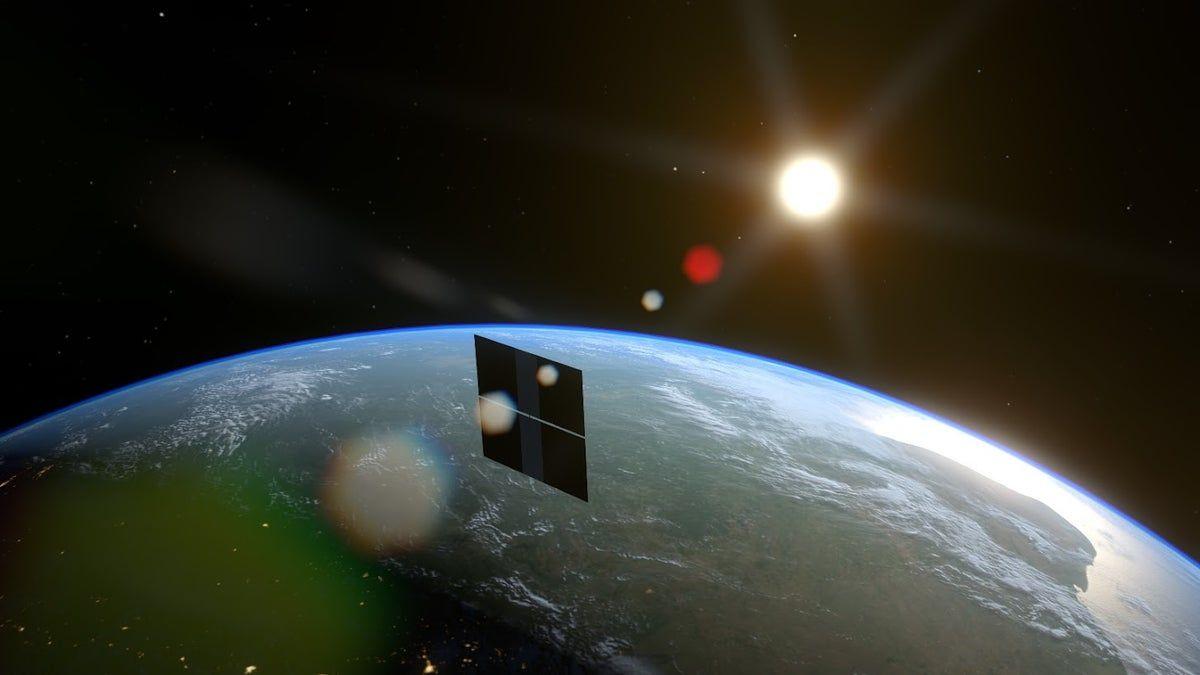
The pitch is sunlight. The satellites will fly in sun-synchronous orbit, which stays in daylight nearly all the time, and Google says solar panels in orbit can generate up to eight times the power of panels on the ground
3
5
. The company's argument is that space solar could ease the strain AI data centers put on power grids, land and cooling systems3
. Each satellite carries Google's Tensor Processing Units, its custom AI chips, and is designed to provide roughly one data-center rack's worth of computing, per the companies2
3
. One rack per satellite means the 2029 mission is a demonstration3
.A prototype that runs for minutes
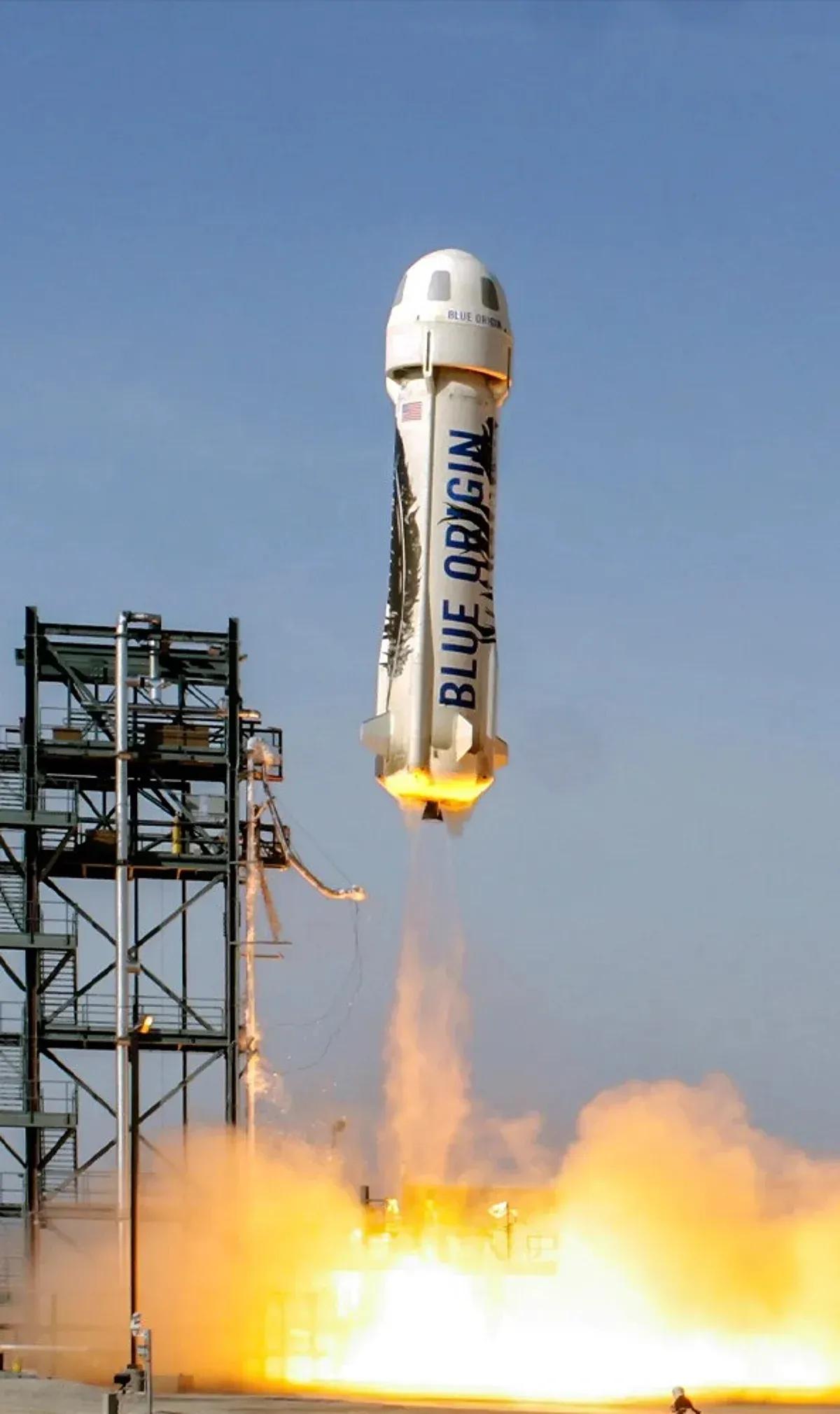
The idea has one early proof point. In October 2026, Google and Planet Labs put the first Suncatcher prototype in orbit as a rideshare on a SpaceX Falcon 9. It booted its TPUs, ran the onboard Gemma 4 model and transmitted an AI-generated haiku to Earth during a ground-station pass over Svalbard, Norway
2
4
6
. "Blue marble below, Data streams in silent grace, Starlight feeds my core," the model sent6
.
Source: Analytics Insight
Per Engadget, the prototype operates only about 15 minutes at a time, and what it is testing is whether the chips survive launch forces, radiation and extreme temperatures, not whether they can compute continuously
4
. Google plans to connect two satellites in 2027, ahead of the New Glenn flight5
.The problems nobody has solved
With no air in orbit, heat from the chips has to be shed through pipes and panels
3
. Radiation flips bits in stored data4
. The satellites must also hold tight formation to communicate by laser5
. Cooling, radiation and formation flying are described as unsolved, alongside launch costs and satellite production3
5
4
.Travis Beals, who directs Project Suncatcher at Google, called the dedicated launch "a crucial milestone on our roadmap" toward scaling AI infrastructure in space
1
6
. Per Ars Technica, heavy-lift launch slots are filling through 2030, one reason Google booked the flight more than two years ahead1
. Neither company disclosed the deal's value or who is building Google's satellites5
1
.Related Stories
A boost for a grounded rocket
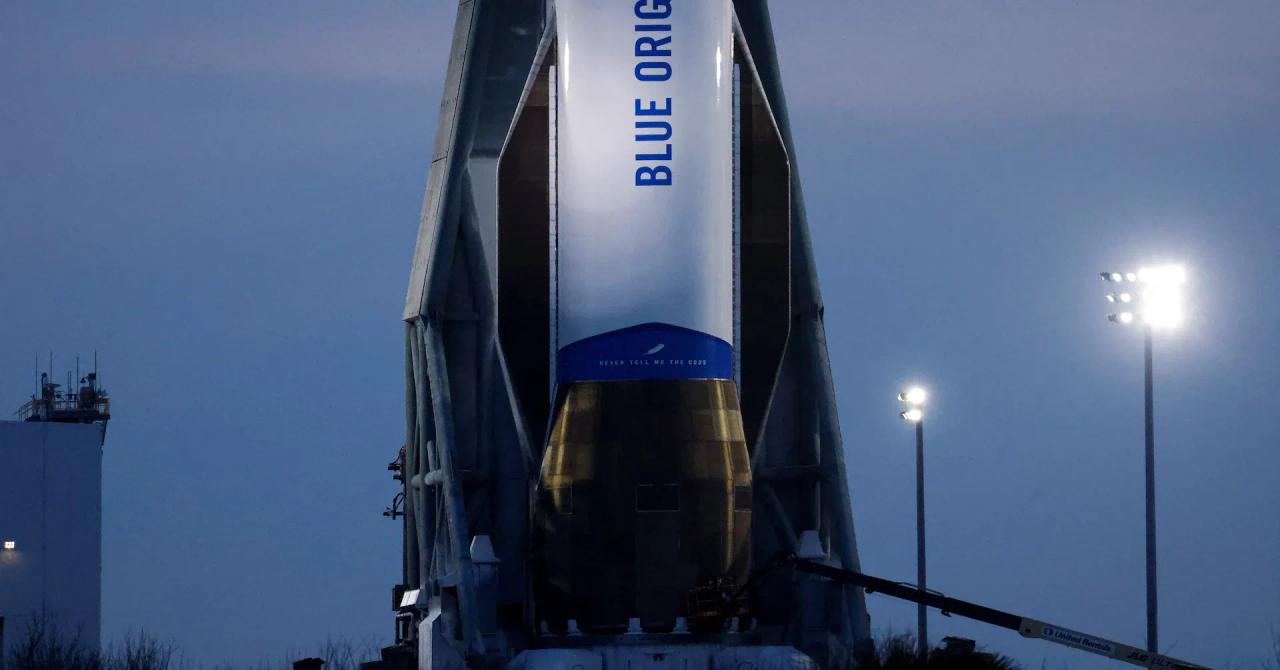
For Blue Origin, the deal is a commercial win as much as a technical one. New Glenn has been grounded since a launchpad explosion in May, with return to flight slipped to January
3
5
. Blue Origin is working to expand its launch business after delays and the May explosion3
. The Google mission will fly on the smaller variant, which has launched three times, per the reports5
1
.
Source: Reuters
Others are chasing the same idea: SpaceX has explored orbital data centers, startup Starcloud raised $170 million in March, and Blue Origin itself has its own constellation plan, Project Sunrise
3
5
1
.The economics are the part nobody has cracked. Google's own long-term plan targets launch costs as low as $200 per kilogram by the mid-2030s. Ars Technica argues only SpaceX's Starship could plausibly get there, and that SpaceX will prioritize its own payloads
1
.References
Summarized by

Navi
Related Stories
Google Announces Project Suncatcher: Ambitious Plan for AI Data Centers in Space
04 Nov 2025•Technology

Google Launches First AI Satellite Test for Project Suncatcher on October 1
24 Sept 2026•Technology

Google Launches Project Suncatcher to Test AI Data Centers in Space with TPUs Aboard SpaceX Rocket
01 Oct 2026•Technology

Recent Highlights


Recent Highlights
Today's Top Stories







Don’t drown in AI news. We cut through the noise - filtering, ranking and summarizing the most important AI news, breakthroughs and research daily. Follow topics that matter to you and stay ahead.


