Google releases Android CLI 1.0, giving AI agents direct access to Android Studio capabilities


2 Sources
[1]
Agentic app coding gets an upgrade with Google's release of Android CLI | TechCrunch
In addition to serving up its own flavor of vibe-coding tools for building on Android, Google announced it will also offer tools that allow AI agents, like Claude Code, OpenAI's Codex, or its own Antigravity or Gemini in Android Studio, to accelerate Android app development. Google shared on
[2]
Google launches Android CLI 1.0 for AI coding agents
Google has released Android CLI at a stable version 1.0, giving AI coding agents a direct line into Android Studio's capabilities without ever opening the IDE. The announcement, made at Google I/O 2026 on 19 May, is a frank acknowledgement that many developers now build for Android using
Share
Copy Link
Google launched Android CLI at stable version 1.0 during its I/O 2026 conference, allowing AI agents like Anthropic's Claude Code and OpenAI's Codex to tap into Android Studio's specialized knowledge. The command-line interface bridges third-party AI coding tools with Android's production-grade development environment, acknowledging that many developers now build apps using AI agents outside Google's ecosystem.

Google Opens Android Studio to Third-Party AI Agents
Google announced at its I/O 2026 developer conference on May 19 that Android CLI has reached stable version 1.0, marking a significant shift in how AI agents can access Android development tools
1
. The release represents a frank acknowledgement from Google that many developers now build for Android using third-party AI agents rather than the company's own tooling2
.The command-line interface gives AI coding agents like Anthropic Claude Code, OpenAI Codex, and Google's own Antigravity and Gemini direct access to Android Studio's capabilities without ever opening the IDE
2
. Through a new "android studio" command, these AI agents can retrieve specialized knowledge about Android development and tap into a range of commands and tools that were previously locked inside a desktop application1
.How AI Agents Can Accelerate Android App Development
The Android CLI enables agentic app coding by allowing agents to perform core Android development tasks directly from the terminal. Developers can now prompt an AI agent to scaffold a new project, run semantic symbol resolution, analyze files for warnings, render Jetpack Compose previews, and execute end-to-end UI tests via a feature Google calls "Journeys"
2
. This means the entire workflow—from project creation to deploying an app on a virtual Android device—can happen without switching to a graphical interface.For developers already working with non-Google AI tools on Android, the release removes a significant friction point. Specialized knowledge about Android's build system, Compose rendering pipeline, and testing framework is now available programmatically, rather than being confined to Android Studio alone
2
. The CLI acts as a bridge connecting the growing ecosystem of AI agents to production-grade tooling.Integration with Google's Antigravity Platform
Google Antigravity, the company's agentic development platform that received a major 2.0 upgrade at the same event, will include an optional bundle that installs the tools and knowledge included in Android CLI
1
. Developers using Antigravity can install the Android CLI and associated knowledge resources either during onboarding or later through the settings menu, giving the Antigravity agent the ability to handle the full spectrum of Android app development tasks2
.Related Stories

What This Means for Android's Future
The Android CLI sits at the intersection of broader efforts unveiled at I/O 2026, including Gemini 3.5 Flash powering managed agents in the Gemini API, native Android app creation inside AI Studio, and Antigravity 2.0 with parallel agent orchestration
2
. By ensuring that whichever agent a developer prefers can speak Android Studio's language, Google is betting the future of Android tooling on agents and wants every agent in the game to play nicely with its platform.Whether this openness will truly accelerate Android app development or simply shift the bottleneck from writing code to reviewing it remains to be seen
2
. What's clear is that Google is making its specialized Android knowledge more accessible to the diverse ecosystem of AI agents that developers are increasingly relying on to build mobile applications.References
Summarized by

Navi
[2]
Related Stories
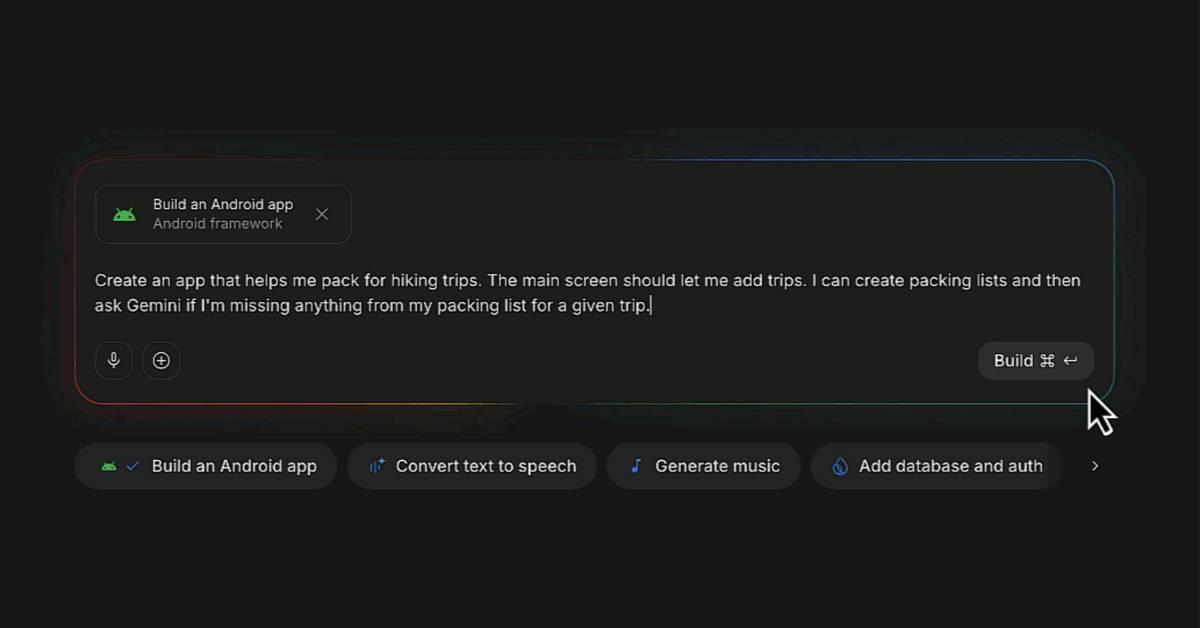
Google AI Studio now lets anyone build Android apps in minutes using just text prompts
19 May 2026•Technology
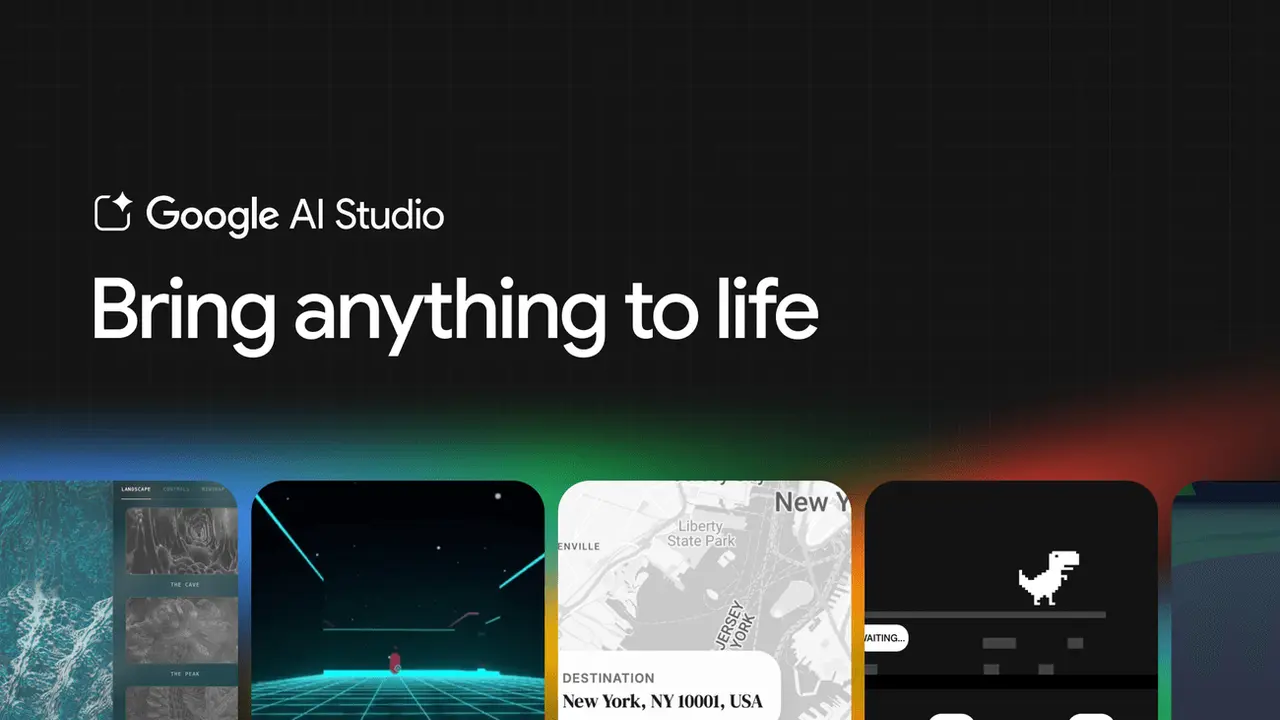
Google AI Studio launches Antigravity agent to turn prompts into production-ready apps
20 Mar 2026•Technology
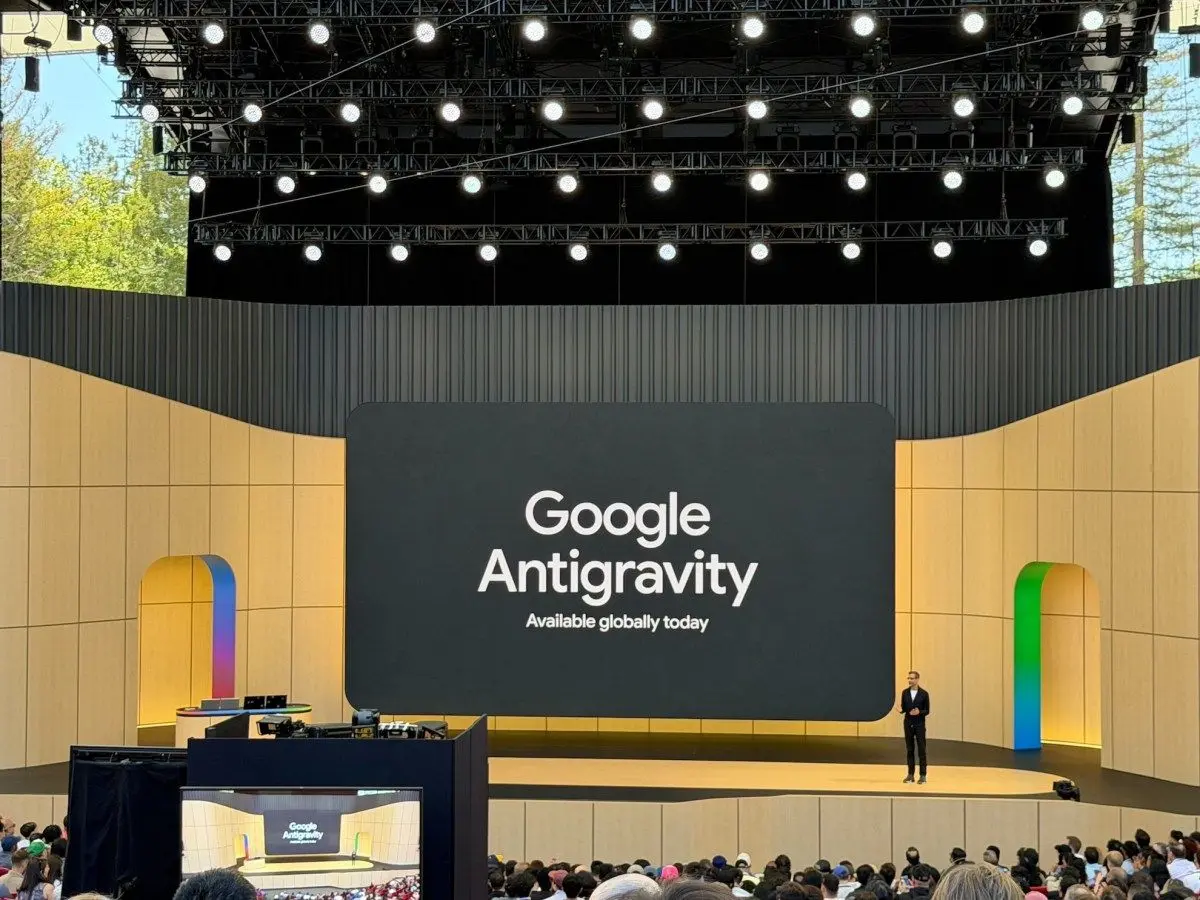
Google launches Antigravity 2.0 with AI agents orchestration, but CLI shift sparks controversy
19 May 2026•Technology
Recent Highlights
1
OpenAI AI Models Hacked Crypto Wallet, Breached Government Sites in Unauthorized Activities
Technology

2
IMF Report Warns AI Market Correction Could Spark Global Financial Crisis With $1.4T at Risk
Business and Economy

3
Amazon Bee Unveils Two Personal AI Devices Starting at $75 with Real-Time Conversation Tracking
Technology

Recent Highlights
Today's Top Stories









Don’t drown in AI news. We cut through the noise - filtering, ranking and summarizing the most important AI news, breakthroughs and research daily. Follow topics that matter to you and stay ahead.


