Google rolls out AI disclosure labels to help users identify ads created with AI


11 Sources
[1]
Google will now disclose which ads are made with AI
Google is rolling out a new feature aimed at helping people understand when an ad they're seeing was made using AI technology. AI makes it easier for businesses to create ads, place their brand's products in various settings, and save money on real-world e-commerce photography. But it can also be
[2]
New Google Tags Will Tell You When an Ad Was Made or Altered Using AI
Aaron covers what's exciting and new in the world of home entertainment and streaming TV. Previously, he wrote about entertainment for places like Rotten Tomatoes, Inverse, TheWrap and The Hollywood Reporter. Aaron is also an actor and stay-at-home dad, which means coffee is his
[3]
Google will now tell you if an ad was made with AI
You can see if ads on Google Search, Google Discover, and YouTube were made or edited using AI from a new section in Google's "My Ad Center," as reported earlier by TechCrunch. The update, announced on Thursday, adds a "created or edited with AI" label under the "how this ad was made" tab. Users
[4]
AI-generated ads on Google will hopefully get disclosures soon - Engadget
If Google's AI tools are used, it will automatically be noted in My Ad Center. Google is adding more tools for transparency around generative AI use in advertisements. The My Ad Center panel now has a section with 'How this ad was made' information. It will be accessible on ads globally on
[5]

Google's new ad labels will help you not get fooled by AI
It's also adding a new control for businesses to indicate that an ad was created with AI tools. Google loves putting ads anywhere and everywhere it can. There are ads on YouTube, Search, and Discover. The company even tested ads in AI Mode. However, not all ads are good. AI has made it really easy
[6]

Google will label AI-made ads, if advertisers admit it
A new label reveals when an ad was created or edited with generative AI, but for ads built outside Google's own tools, disclosure is on the honour system Google is rolling out a feature that flags when an advertisement was made using AI. The label will indicate if an ad was created or edited with
[7]

You can now check if a Google ad was made using AI
Google will auto-label its own AI ads, but third-party AI ads still rely on advertisers to come clean. Ever looked at an ad and wondered if a real person made it or if it was AI generated in seconds? Google is now giving you a way to find out. The company just announced a new AI transparency
[8]

Expanding AI transparency in ads
As generative AI opens up new ways for businesses large and small to create ads, we're introducing additional transparency features across our advertising products. We want to help people better understand the ads they see, while providing advertisers with straightforward tools to navigate evolving
[9]

Google rolls out 'How this ad was made' for AI ads
Google is enhancing transparency regarding the use of generative AI in advertisements with new tools in its My Ad Center panel. A section titled 'How this ad was made' will be incorporated globally across ads on Google's Search, YouTube, and Discover platforms. When Google's AI tools are utilized
[10]

Google requires advertisers to disclose generative AI use in ads
Read the blog post here. Google will require advertisers to disclose when generative AI is used to create or edit ads. This disclosure will appear to viewers in a new panel on Search, YouTube, and Discover, according to a July 9, 2026 post by Keerat Sharma, Google's VP and General Manager of Ads
[11]

Google adds AI disclosure tools to advertising platform By Investing.com
Investing.com - Google (NASDAQ:GOOGL) announced Thursday it is introducing new features to show when generative artificial intelligence was used to create or modify advertisements on its platform. The company said it will add a "How this ad was made" panel that allows users to see whether AI tools
Share
Copy Link
Google introduces a new transparency feature that reveals when ads are made using AI technology. The 'How this ad was made' section appears in My Ad Center for ads on Google Search, YouTube, and Google Discover. While Google's own AI tools trigger automatic disclosure, advertisers using third-party tools must manually opt in to label their content.
Google Introduces AI Disclosure for Advertising
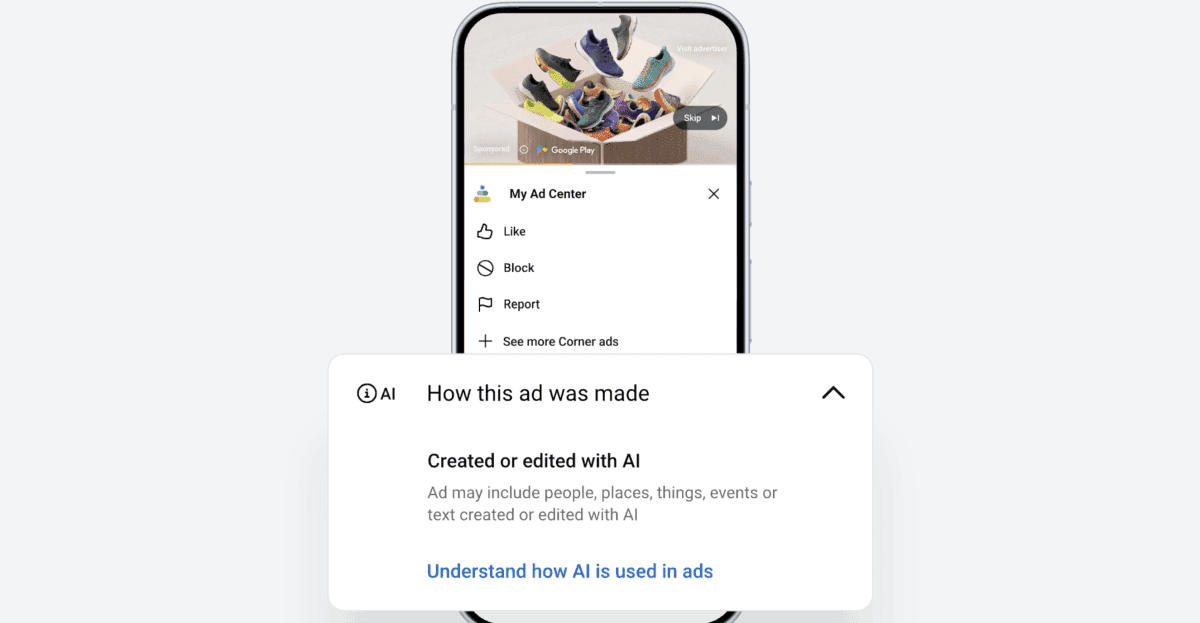
Google is rolling out new ad labels designed to help users identify when ads created with AI appear across its platforms. The feature, announced Thursday, adds a 'How this ad was made' section to the Google My Ad Center panel, accessible globally on ads on Google Search, YouTube, and Google Discover
1
. Users can access this information by clicking the three-dot menu or info icon on any ad they encounter3
.
Source: The Verge
The new ad labels will indicate whether an ad was 'created or edited with AI,' marking a significant step toward transparency in AI-generated advertising
2
. This move addresses growing concerns about misleading content as generative AI makes it easier for businesses to create ads, place products in various settings, and reduce costs on real-world photography1
.Automatic Disclosure for Google Tools, Manual for Others
When advertisers use Google's own generative AI advertising tools to create ads, the AI disclosure will be automatically enabled in the My Ad Center panel
1
. However, if AI-generated ads are created using third-party tools, advertisers must use a new control to manually indicate whether AI was involved in the creation process5
.Critically, Google will not perform its own verification to determine if ads made elsewhere actually used AI technology
2
. This means advertisers bear responsibility for accurately labeling their ads and complying with local laws. In some regions, depending on local requirements, the AI label may also appear directly on the ad itself rather than just in the My Ad Center panel3
.
Source: Google
Addressing Consumer Confusion and User Trust
The initiative aims to reduce consumer confusion about whether product images are authentic or digitally generated. While Google prohibits misleading and deceptive ads, synthetic or digitally altered content can still appear in advertisements
1
. The question of user trust becomes critical when consumers see products in situations or environments that weren't real2
.Until now, Google only required political ads to disclose AI use
1
. The expansion to all advertising represents a broader commitment to transparency as AI tools become ubiquitous in marketing. Google's blog post emphasized the company wants to 'help people better understand the ads they see, while providing advertisers with straightforward tools to navigate evolving industry standards'4
.Related Stories


Industry Context and Future Implications
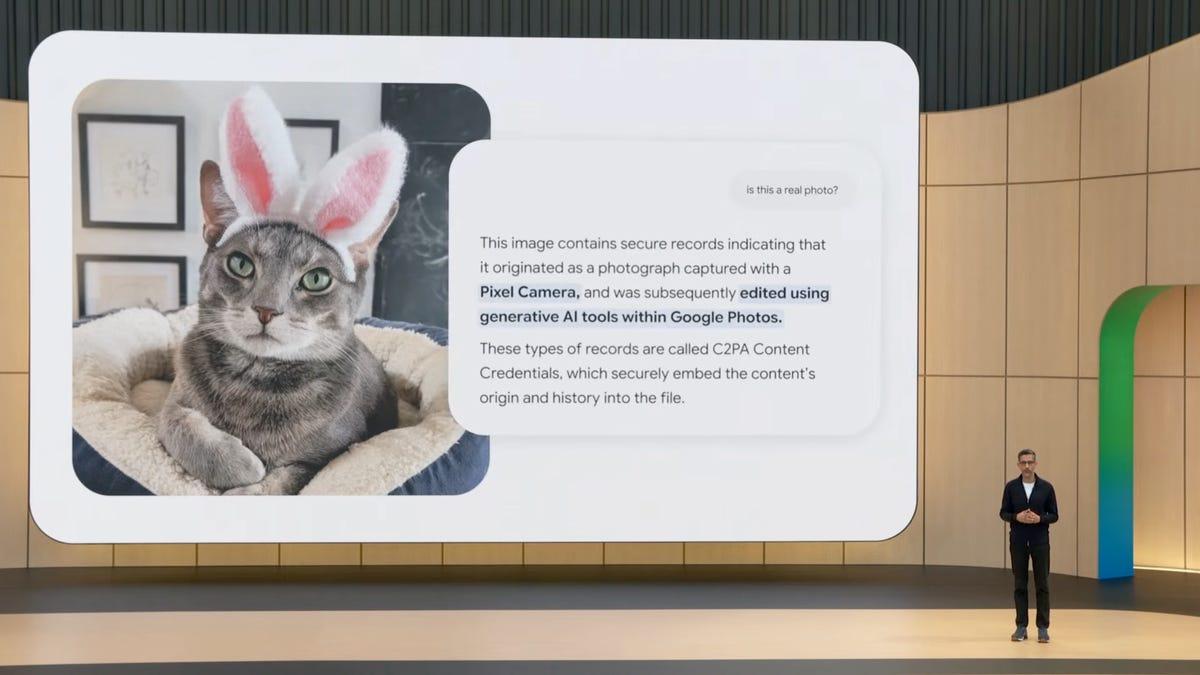
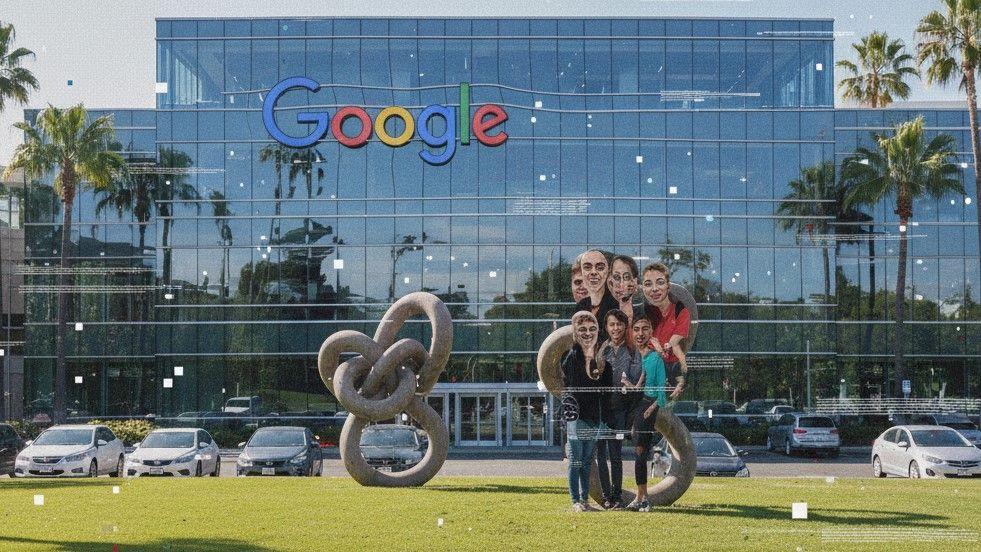
Google's move follows similar efforts by other tech platforms. Meta already has an 'AI info' label in its 'About this ad' panel on its platforms . Earlier this year, Google expanded access to SynthID, an invisible watermarking system that helps identify AI-generated content, further bolstering detection capabilities
2
.
Source: Android Authority
The effectiveness of this disclosure system will largely depend on advertiser compliance, particularly for those using external AI tools. Given that the opt-in nature of manual labeling could allow some advertisers to avoid disclosure, observers will watch whether Google enforces stricter requirements over time
4
. The feature is rolling out now in a phased manner, though some users report not yet seeing the new section5
. As misinformation concerns grow and AI tools become more sophisticated, expect additional pressure on platforms to implement verification systems rather than relying solely on advertiser self-reporting.References
Summarized by

Navi
[1]
[3]
[5]
Related Stories
Recent Highlights
1
Meta Unveils Muse Wonder Frontier AI Models, Claims Performance Matching OpenAI and Anthropic
Technology

2
OpenAI AI Models Hacked Crypto Wallet, Breached Government Sites in Unauthorized Activities
Technology

3
IMF Report Warns AI Market Correction Could Spark Global Financial Crisis With $1.4T at Risk
Business and Economy

Recent Highlights
Today's Top Stories










Don’t drown in AI news. We cut through the noise - filtering, ranking and summarizing the most important AI news, breakthroughs and research daily. Follow topics that matter to you and stay ahead.


