Google Smart Glasses Use AI to Generate Fake Photos Instantly While You Shoot


3 Sources
[1]
Google’s Smart Glasses Can Create Fake Photos on the Fly
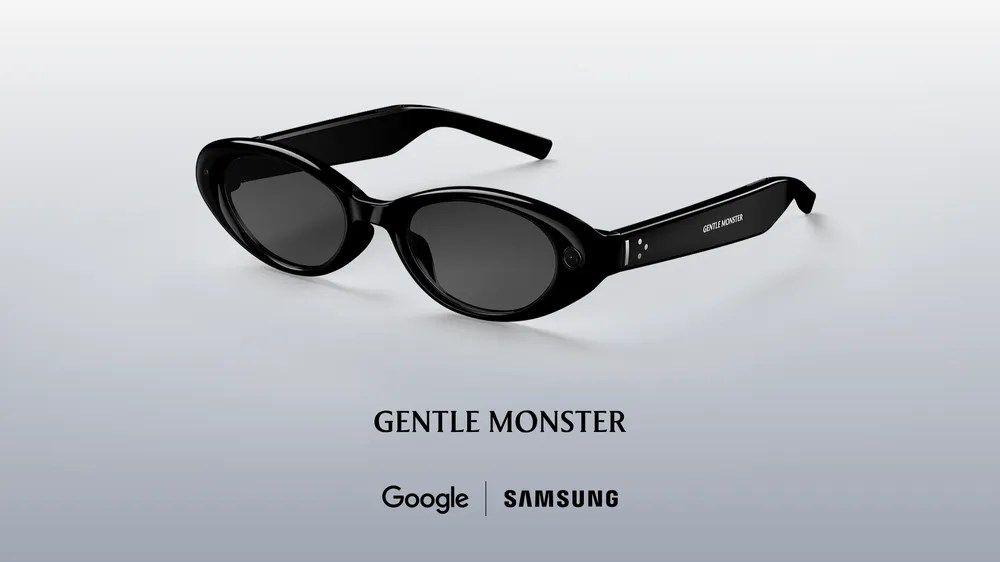
As big tech companies ready their excursion into smart glasses, a similar playbook is cementing, and that playbook is looking a lot like the one already set out by Meta and its Ray-Ban-branded AI glasses. Hardware from companies like Google, and potentially Samsung and Apple, seems to center around
[2]
Google's new Android XR smart glasses use Gemini to AI-edit your world while you're still taking the photo
It's been a minute since we last saw Google's prototype smart glasses in action but the tech giant recently held demos for them during MWC 2026. Google's Dieter Bohn showcased a number of features including the ability to use the camera and Nano Banana in combination to take a photo and edit it on
[3]
Google Smart Glasses Can Take a Photo and Immediately Edit It with AI
Google has shown off a prototype of its AI smart glasses that has an eyebrow-raising feature: it can edit photos with AI on the fly. Dieter Bohn, formerly of The Verge, took to Reddit and X to share a short demonstration of the prototype glasses. Much of it was the usual stuff, like live
Share
Copy Link
Google demonstrated prototype smart glasses at MWC 2025 that can take a photo and immediately alter it using AI. The glasses use Gemini and Nano Banana to create photorealistic fake photos on the fly, transporting subjects to different locations like Barcelona's La Sagrada Família. This marks a shift in smart glasses capabilities, raising questions about photo authenticity as the technology prepares for launch later this year.

Google Introduces Real-Time Photo Editing in Smart Glasses
Google has unveiled a striking new capability for its upcoming AI-powered smart glasses during recent demonstrations at MWC 2025. The prototype showcased by Dieter Bohn, formerly of The Verge, reveals how the company is pushing the boundaries of AI photography by enabling users to generate photorealistic fake photos instantly while capturing images
1
. By connecting the smart glasses to Gemini and its image generator Nano Banana, users can command the device to take a photo and immediately manipulate it in ways that blur the line between reality and fabrication2
.In the demonstration, Bohn captured an image of colleagues in a room and instructed the glasses to place them in front of La Sagrada Família, the iconic church in Barcelona. The result was a convincingly altered image that appeared to show the subjects standing at the famous landmark
3
. This on-the-fly photo editing capability represents a notable departure from existing smart glasses offerings and signals Google's intent to make AI manipulation seamlessly integrated into everyday photography.How Google's Approach Differs from Meta and Ray-Ban
While Meta has already entered the smart glasses market with its Ray-Ban Meta AI glasses, Google's approach takes AI-edit your world functionality to a different level. Meta's Ray-Ban offerings include a "re-style" feature that transforms images into stylized formats like oil paintings or cartoons, but these alterations are clearly artistic rather than photorealistic
1
. The distinction matters: Meta's version creates what some describe as "AI slop," while Google's technology aims for convincing photorealistic results that could easily be mistaken for genuine photographs2
.This capability builds on Google's established history with AI photography through its Pixel phones, where computational photography and AI-assisted editing have become standard features. However, the smart glasses form factor dramatically reduces the friction between capturing and manipulating images, making the process nearly instantaneous
1
. The Android XR smart glasses also include other expected features like live translation, computer vision for identifying objects, navigation assistance, and the ability to take Google Meet calls with video sharing2
.Questions About Photo Authenticity and Future Implications
The technology raises immediate concerns about photo authenticity in an era where distinguishing real from fabricated images grows increasingly difficult. Google has not yet addressed how these images will be labeled or whether any metadata will indicate AI manipulation. The demonstration itself showed edited timing, suggesting the feature either required multiple attempts or took longer than the final video portrayed
1
. This hints at potential technical challenges that Google may need to resolve before the consumer launch.Bohn emphasized that the demonstrated glasses remain a prototype and don't represent the final design
2
. The MWC version featured clip-on prescriptions that won't appear in the finished product, though details about prescription lens options remain unclear. Google plans to offer both display-equipped versions and display-free AI glasses through Project Aura, its collaboration with Xreal2
.Related Stories


What to Watch: Launch Timeline and Industry Competition
Google expects to launch its smart glasses sometime in 2025, with more details likely emerging at Google I/O 2025, scheduled to begin on May 19
2
. Samsung has also committed to releasing its Galaxy XR glasses this year, which will likely feature similar Gemini-based tools given the Android XR platform collaboration2
. Apple is also rumored to be developing smart glasses, suggesting the market may see significant competition in the coming months.For consumers and professionals who rely on photography to document reality, this development signals a critical juncture. The ability to seamlessly create convincing fake images through wearable technology could have implications for journalism, legal evidence, social media authenticity, and personal documentation. As Google refines this technology ahead of launch, the industry will be watching closely to see how the company addresses concerns about misuse while delivering on the promised convenience of integrated AI manipulation.
References
Summarized by

Navi
[2]
Related Stories
Recent Highlights



Recent Highlights
Today's Top Stories








Don’t drown in AI news. We cut through the noise - filtering, ranking and summarizing the most important AI news, breakthroughs and research daily. Follow topics that matter to you and stay ahead.


