GPU Market Shifts: Cloud Gaming and AI Upscaling Challenge Traditional Upgrade Cycle


3 Sources
[1]
Obnoxious GPU prices are pushing PC gamers to the cloud, study claims
Then again, maybe by that time they won't feel the need to upgrade anymore. Liquid Web's study also shed insight on gamers switching to cloud gaming, where upgrades aren't dependent on hardware availability or retail pricing. And there were an impressive number of respondents who were keen on the
[2]
43% of games skipped GPU upgrade to pay rent instead | Liquid Web
About 43% of gamers skipped a graphics processing unit (GPU) upgrade just to pay rent, according to a new report by Liquid Web. Based on a survey of 1,000 PC gamers, Liquid Web came up with a variety of conclusions about what affects the buying decisions of gamers. And clearly they're pretty price
[3]
Gaming GPU Trends 2025: How Price and AI Upscaling Shape Buyer Decisions
In 2025, the way PC gamers pick their graphics cards is shifting. While brand names like NVIDIA still hold a lot of weight, performance and price are becoming bigger factors in decisions. A survey of 1,000 gamers reveals that many are balancing budgets, brand trust, and new tech like AI upscaling
Share
Copy Link
A 2025 survey reveals changing trends in GPU preferences among PC gamers, with cloud gaming and AI upscaling technologies potentially disrupting the traditional upgrade cycle.
Shifting Landscape of GPU Preferences
A recent survey conducted by Liquid Web in May 2025 has unveiled significant changes in the graphics processing unit (GPU) market for PC gamers. The study, which involved 1,000 participants across all 50 U.S. states, reveals how factors such as price, performance, and emerging technologies are reshaping the gaming hardware landscape
1
.
Source: VentureBeat
Financial Constraints and GPU Upgrades
The survey highlights the growing impact of financial considerations on GPU purchasing decisions. A striking 43% of gamers reported postponing or canceling GPU upgrades due to pressing financial obligations such as rent or bills
2
. Moreover, 57% of respondents indicated that scalping and price hikes had prevented them from acquiring new GPUs2
.Budget Limitations and Brand Preferences
The study reveals a significant shift in budget allocations for GPU purchases. Only 25% of gamers expressed willingness to spend more than $500 on a GPU
1
. Despite these financial constraints, brand loyalty remains strong, with 73% of gamers indicating a preference for NVIDIA if all GPU brands performed equally3
.The Rise of Cloud Gaming and AI Upscaling
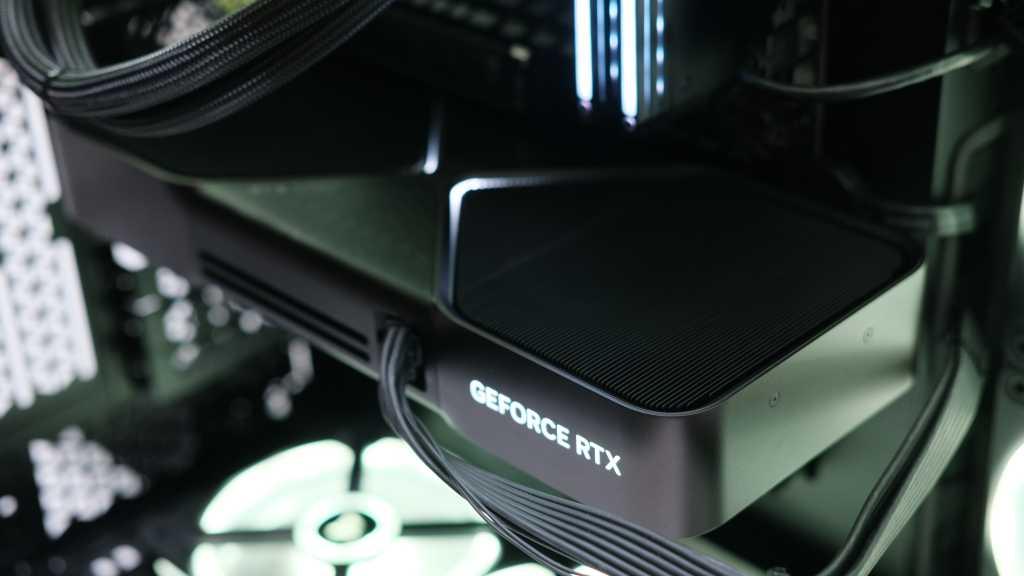
Cloud gaming emerges as a potential solution to the high costs associated with regular GPU upgrades. An impressive 62% of respondents stated they would switch entirely to cloud gaming if latency issues were resolved
1
. Currently, about 36% of players already utilize cloud gaming services like GeForce Now or Xbox xCloud1
.
Source: PCWorld
The Impact of AI Upscaling
AI upscaling technology is gaining traction as an alternative to traditional GPU upgrades. The survey found that 42% of gamers would consider skipping future GPU upgrades if AI upscaling or cloud services could meet their performance needs
2
. This trend is particularly notable among younger generations, with 20% of Millennial and Gen Z gamers believing that high-end GPUs will become less essential in the next three years due to cloud gaming and AI upscaling improvements3
.Related Stories
Influencer Impact and Brand Loyalty
The survey also highlights the growing influence of tech reviewers and online personalities on GPU purchasing decisions. Approximately 35% of gamers reported being swayed away from specific GPU brands by influencers or reviews
1
. Additionally, 23% of respondents indicated that recent controversies or business decisions had made them less likely to support certain brands2
.
Source: Guru3D
Future Outlook
As the gaming industry continues to evolve, the traditional GPU upgrade cycle faces significant challenges. The combination of financial constraints, advancements in cloud gaming and AI upscaling, and changing consumer preferences suggests a potential shift in how gamers approach hardware upgrades. While high-end GPUs remain crucial for many, the industry may need to adapt to these emerging trends to meet the diverse needs of the gaming community.
References
Summarized by

Navi
Related Stories
Nvidia delays next-gen graphics cards until 2028 as AI chips take priority over gaming GPUs
05 Feb 2026•Business and Economy

Nvidia Dominates GPU Market with 92% Share, Leaving AMD and Intel Far Behind
06 Jun 2025•Technology
Nvidia's Q2 2027 Earnings Ignore Gaming Entirely as AI Revenue Soars to $89 Billion
27 Aug 2026•Business and Economy

Recent Highlights



Recent Highlights
Today's Top Stories









Don’t drown in AI news. We cut through the noise - filtering, ranking and summarizing the most important AI news, breakthroughs and research daily. Follow topics that matter to you and stay ahead.


