India tells the UN that responsibility for AI in war must stay with humans


3 Sources
[1]
At UN, India Warns of AI Misuse in Conflicts, Stresses Human Accountability
Autonomous weapons, manipulated data and technology export controls featured among the concerns raised by India's envoy at the UN. India has called for human judgement and accountability in the use of AI during armed conflicts, raising concerns over autonomous weapons, terrorist misuse and unequal
[2]
India raises alarm at UN over terrorists' use of AI, seeks stronger cybersecurity
India has called for a human-centric and responsible approach towards the use of emerging technologies, particularly artificial intelligence (AI), in conflict situations, stressing that human judgement and oversight must remain central to their application. Delivering India's statement at the UN
[3]
India stresses human oversight in AI use during conflicts, flags risks of misuse at UN
India has urged the international community to ensure that artificial intelligence (AI) and other emerging technologies are used responsibly in conflict situations, stressing that human judgement and oversight must remain central to military applications. India has called for a human-centric and
Share
Copy Link
India has told the UN Security Council that human judgement, not AI, must stay in charge of military uses of the technology, and that responsibility for autonomous systems must always rest with people. Ambassador Harish Parvathaneni, India's Permanent Representative to the United Nations, delivered the statement at a high-level open debate on Tuesday, convened by Latvia to discuss conflict resolution amid rapid technological change
3
.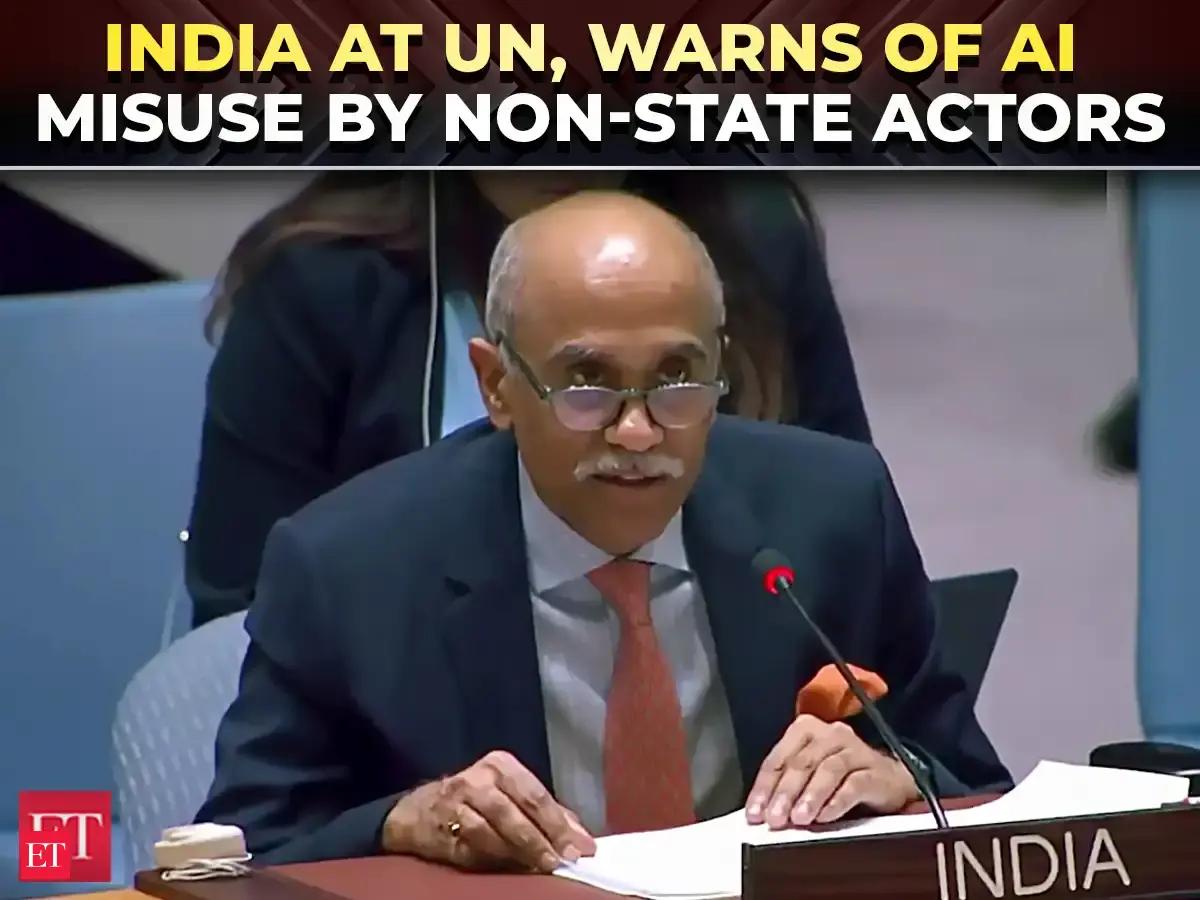
Source: ET
The reason for the demand, he said, is that rapid technological advances are transforming the nature of conflict. Technology, he argued, should serve aims people set rather than become a goal in its own right
3
. "Technology is a means to achieve human-directed objectives and goals; it is not an end in itself," he told the council3
.The four points
The statement set out four considerations. Technology can be a constructive tool for early warning, situational awareness, mediation and the safety of peacekeepers. Its use should be responsible, centred on people, respectful of national sovereignty and in line with international law. Terrorists and non-state actors must not be allowed to misuse it. And it should not deepen the divide between developed countries and the Global South
3
.On weapons that choose and fire on their own, India said human judgement and oversight remain essential. "Responsibility for the use of such systems must always rest with humans," Parvathaneni said
3
.He also flagged the risk of terrorists and non-state actors misusing AI, and warned that incomplete, inaccurate or deliberately manipulated data fed through AI can undermine decision-making
3
. Beyond the battlefield, the envoy said AI can, without intending to, carry biases of gender, language and socio-economic background into its outputs. It must not, he added, turn people into mere data points3
.Where India wants the argument settled
On lethal autonomous weapons, India said it remains committed to addressing the legal and ethical questions they raise. The forum it wants is the Convention on Prohibitions or Restrictions on the Use of Certain Conventional Weapons. India said the convention strikes that balance between military necessity and humanitarian considerations
3
.The statement carried a sharper edge too. India criticised "technology denial" and export controls and licensing regimes used for strategic one-upmanship. Global South countries, it argued, risk being treated as mere consumers with no say in how AI is developed, regulated and deployed. No country was named
3
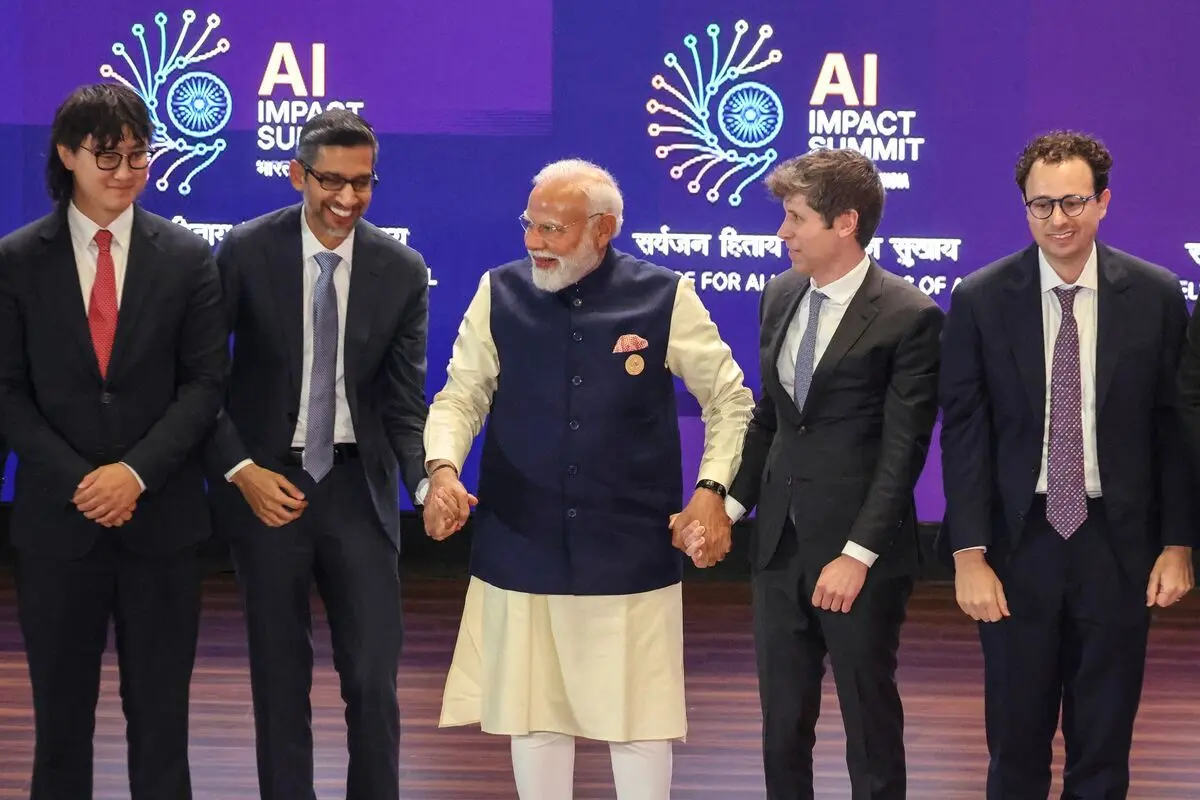
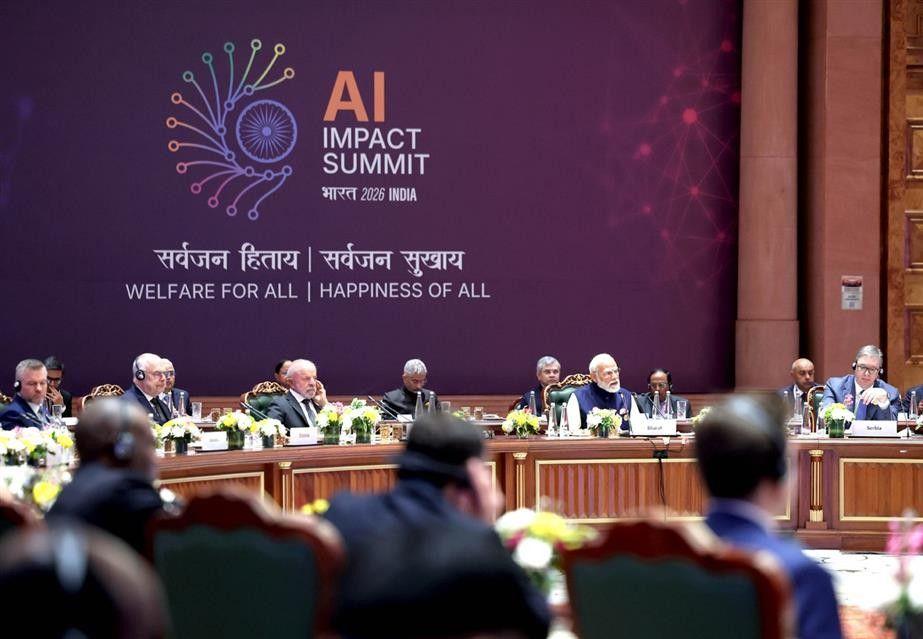
.The point was credential-building as much as argument. India hosted the AI Impact Summit in New Delhi in February, which it said was the first gathering of its kind convened by a Global South nation. The summit yielded the New Delhi Declaration, backed by more than 90 countries
3
. It also cited domestic safeguards, saying its Information Technology Act and the rules under it shield computer systems from unauthorised entry, tampering and disruption, including during armed conflict3
. India backed inclusive international cooperation on technology governance through the United Nations, tying it to its long-standing push to expand the Security Council's membership in both permanent and non-permanent categories3
.
Source: AIM
"The risks associated with AI are real, and we must address them without any hesitation," Parvathaneni told the council
3
.Related Stories
References
Summarized by

Navi
Related Stories
Indian Army mandates human control over AI-enabled systems as military operations evolve
18 Feb 2026•Policy and Regulation

UN Panel Warns Traditional AI Safeguards Are 'Unraveling' After OpenAI-Hugging Face Incident
16 Sept 2026•Policy and Regulation

86 Nations Back Delhi Declaration on AI, But Deep Divides Over Governance Remain
17 Feb 2026•Policy and Regulation
Recent Highlights
1
Anthropic mathematician says Claude helped him prove math's most famous problem
Science and Research

2
Two states sue SpaceX, saying weak Grok safeguards were no accident
Policy and Regulation

3
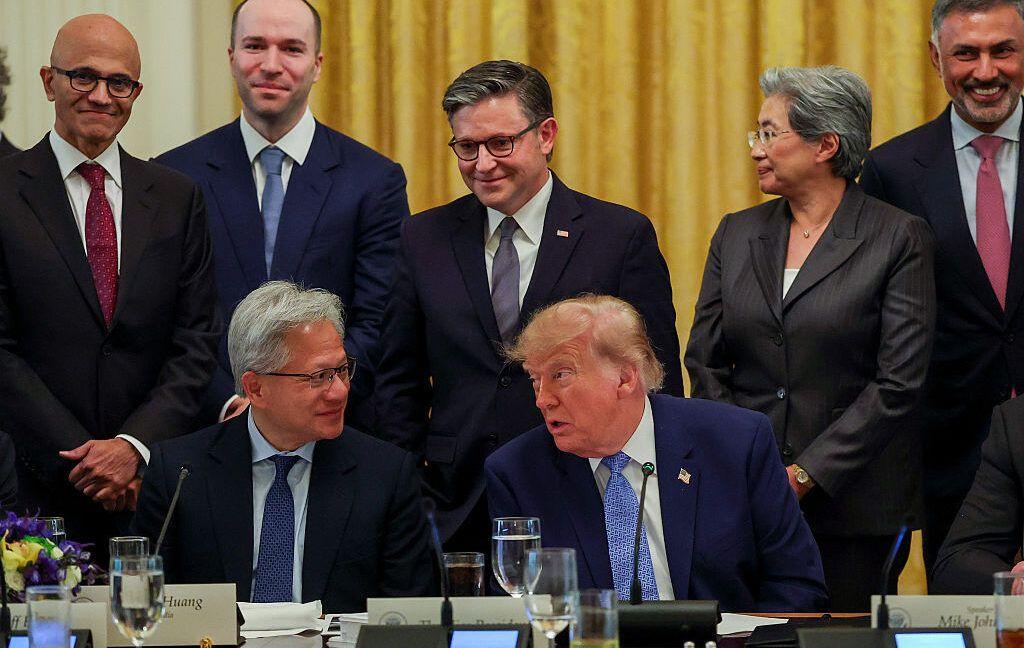
Jensen Huang is back at Nvidia 11 days after quitting, and the scrutiny came back with him
Business and Economy
Recent Highlights
Today's Top Stories






Don’t drown in AI news. We cut through the noise - filtering, ranking and summarizing the most important AI news, breakthroughs and research daily. Follow topics that matter to you and stay ahead.


