Jamie Dimon warns AI rollout may need to slow down to prevent civil unrest and job disruption


5 Sources
[1]
Rollout of AI may need to be slowed to 'save society', says boss of JP Morgan
Jamie Dimon warns of civil unrest as Nvidia's Jensen Huang argues that tech will create rather than destroy jobs Jamie Dimon, the boss of JP Morgan, has said artificial intelligence "may go too fast for society" and cause "civil unrest" unless governments and business support displaced
[2]
JPMorgan CEO Jamie Dimon says he welcomes government ban on mass-firing people for AI: 'We're going to cure a lot of cancers' | Fortune
Speaking at the World Economic Forum in Davos, Switzerland, the company's CEO Jamie Dimon admitted he'll likely employ fewer workers in the next five years -- but warned that rushing into AI-driven layoffs without safeguards could backfire, potentially triggering "civil unrest." Instead, the
[3]
Jamie Dimon Warns A.I. May Disrupt Workers Faster Than Society Can Adapt
The bank CEO warns that rapid automation could spark social unrest if workers are left behind. JPMorgan Chase is leading the pack among financial institutions embracing A.I. to boost productivity. Even so, CEO Jamie Dimon worries the technology's rapid adoption will outpace the labor market's
[4]
Jamie Dimon drops big hint on JPMorgan's future hiring in the coming years at Davos, Wall Street stalwart says 'you can't lay off 2 million...'
Wall Street mogul Jamie Dimon spoke about how JPMorgan Chase will hire employees in the near future due to the impact of AI. He said that he has plans to employ fewer employees in the next five years while speaking at Davos. The JPMorgan Chase CEO gave the example of truckers in the US, saying 2
[5]
AI poised to disrupt jobs, top executives warn at Davos 2026
Top executives at the World Economic Forum in Davos 2026 warn that Artificial Intelligence will cause significant job losses. JPMorgan Chase CEO Jamie Dimon stated AI's impact is unavoidable, leading to fewer jobs in the next five years. Deloitte CEO Joe Ucuzoglu acknowledged disruption but noted
Share
Copy Link
JPMorgan Chase CEO Jamie Dimon told the World Economic Forum that AI adoption may outpace society's ability to adapt, potentially triggering civil unrest. He called for phased implementation, retraining programs, and even government intervention to protect over 300,000 employees, citing the trucking industry's 2 million workers as a critical example of where safeguards are needed.
Jamie Dimon Sounds Alarm on AI Job Disruption at Davos
Jamie Dimon, CEO of JPMorgan Chase, delivered a stark warning at the World Economic Forum in Davos, Switzerland, that AI adoption "may go too fast for society" and could trigger civil unrest if displaced workers aren't supported through the transition
1
. Speaking before an audience of global leaders, the Wall Street executive acknowledged that his bank will likely employ fewer workers in the next five years as it rolls out AI across approximately 500 use cases3
. While advances in AI promise huge benefits from increasing productivity to curing diseases, Dimon emphasized that the technology may need to be phased in to "save society"1
.
Source: Observer
Trucking Industry Emerges as Critical Test Case for Automation
The 69-year-old banking chief pointed to the trucking industry as a prime example of where safeguards are essential. With roughly 2 million commercial lorry drivers in the U.S., many earning around $150,000 annually, a sudden shift to autonomous trucking could leave workers struggling with jobs paying as little as $25,000
2
. "You can't lay off 2 million truckers tomorrow," Dimon stated, calling instead for a gradual approach4
. "Should you do it all at once if two million people go from driving a truck and making $150,000 a year to a next job [that] might be $25,000? No. You will have civil unrest," he warned1
.JPMorgan Chase Plans Retraining Programs and Income Support
Dimon revealed that JPMorgan has already developed strategies to protect many of its over 300,000 employees from abrupt job disruption. "I have a plan to retrain people, relocate people, income-assist people," the CEO explained
2
. The bank is incorporating AI in areas such as risk management, fraud detection, marketing, customer service, and idea generation, with expectations for custom assistants for employees, automated agents for internal processes, and concierge tools for clients3
. Despite these productivity gains, Dimon stressed that companies cannot ignore the labor market implications of technological shifts.Government Intervention and Public-Private Partnerships Needed
The JPMorgan Chase leader went further, stating he would welcome government intervention if necessary to prevent companies from cutting jobs too aggressively. "We would agree -- if we have to do that to save society," Dimon said, emphasizing that phased implementation and retraining programs are critical
2
. He urged governments and businesses to collaborate on assistance programmes that support wages, offer retraining, relocation, and early retirement options1
. Local governments may need to step in with adoption strategies that incentivize companies to slow the pace and support displaced workers financially3
.
Source: ET
Contrasting Views: Jensen Huang Sees Job Creation Opportunity
Not all executives at the World Economic Forum shared Dimon's concerns about widespread layoffs. Jensen Huang, CEO of semiconductor maker Nvidia, argued that labor shortages rather than mass unemployment pose the real threat
1
. "This is the largest infrastructure buildout in human history, this is going to create a lot of jobs," Huang told attendees in Davos1
. He pointed to tradecraft positions such as plumbers, electricians, construction workers, steelworkers, network technicians, and equipment installers for AI datacenters as areas experiencing job growth and rising salaries. Huang also suggested that AI robotics represents a "once-in-a-generation" opportunity for Europe to leverage its strong industrial manufacturing base.Related Stories
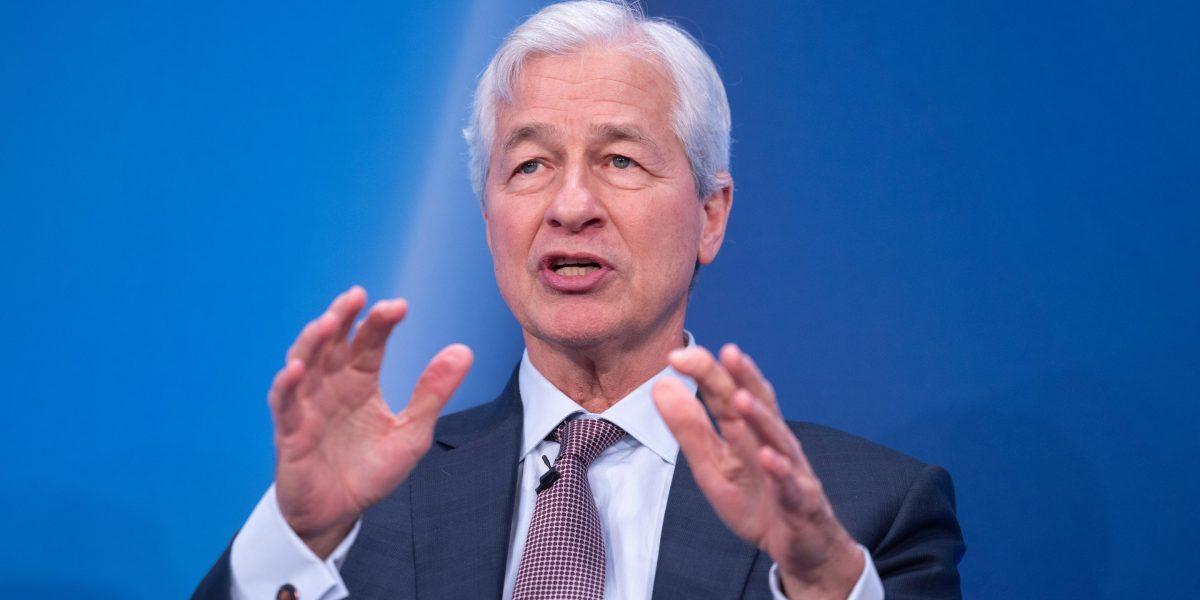
Wall Street Braces for AI-Driven Workforce Changes
Other financial sector leaders echoed concerns about automation's impact on the labor market. Joe Ucuzoglu, Global CEO of Deloitte, acknowledged at Davos that "certain tasks that used to require X amount of labor will now require less," though he noted that new jobs—many unforeseen today—will emerge alongside AI-driven displacement
5
. Nasdaq CEO Adena Friedman highlighted that early AI implementations are showing nearly threefold returns on investment, but stressed that scaling AI across entire organizations requires significant investment and top-down change management5
. Goldman Sachs told staff last fall that AI-driven efficiency gains would constrain headcount, while Citigroup indicated some roles would be replaced by the technology3
.Looking Ahead: Reskilling and Social Stability at Stake
So far, job cuts directly tied to AI have been limited. In 2025, just 55,000 positions were eliminated due to automation, accounting for more than 75% of all AI-related cuts reported since 2023, according to recruiting firm Challenger, Gray & Christmas
2
. However, AI pioneer Geoffrey Hinton warned that "rich people are going to use AI to replace workers," predicting massive unemployment and rising inequality2
. Dimon pointed to the U.S.'s Trade Adjustment Assistance program as a cautionary tale, calling it "incredibly poorly done," though he insisted that new approaches in the AI era could succeed with proper planning2
. The consensus among executives is clear: AI will deliver both disruption and opportunity, and its societal impact depends on how governments, corporations, and workers manage the transition through reskilling initiatives and public-private partnerships5
.References
Summarized by

Navi
Related Stories
Jamie Dimon says AI is already displacing JPMorgan workers as bank plans massive redeployment
25 Feb 2026•Business and Economy
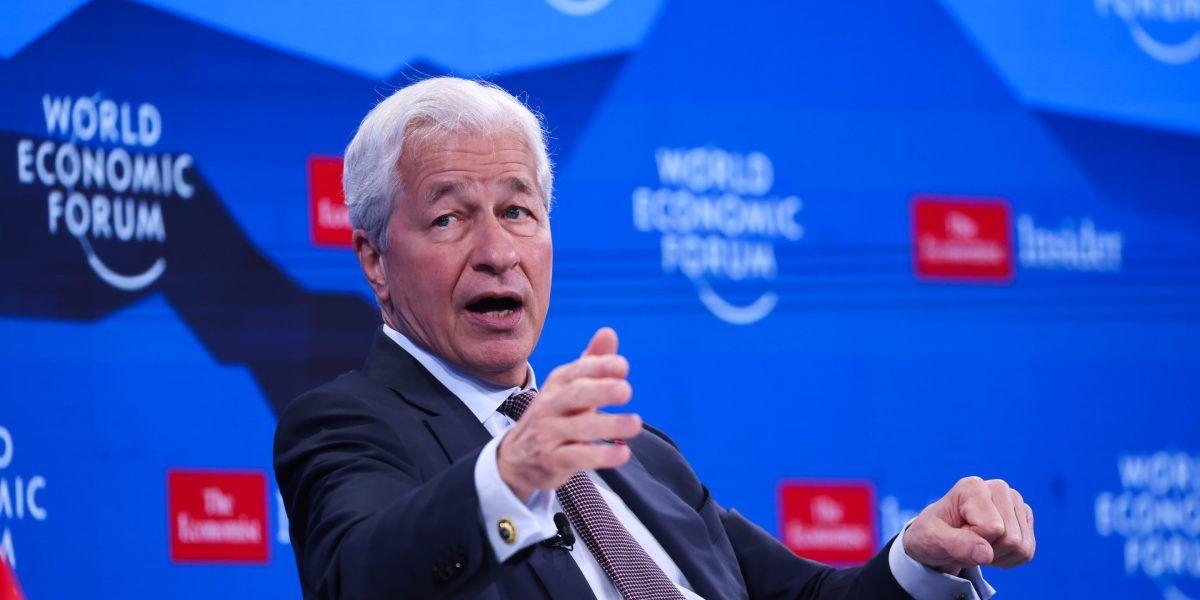
JPMorgan's Jamie Dimon Predicts AI Will Reduce Workweek to 3.5 Days While Maintaining Employment
06 Nov 2025•Business and Economy
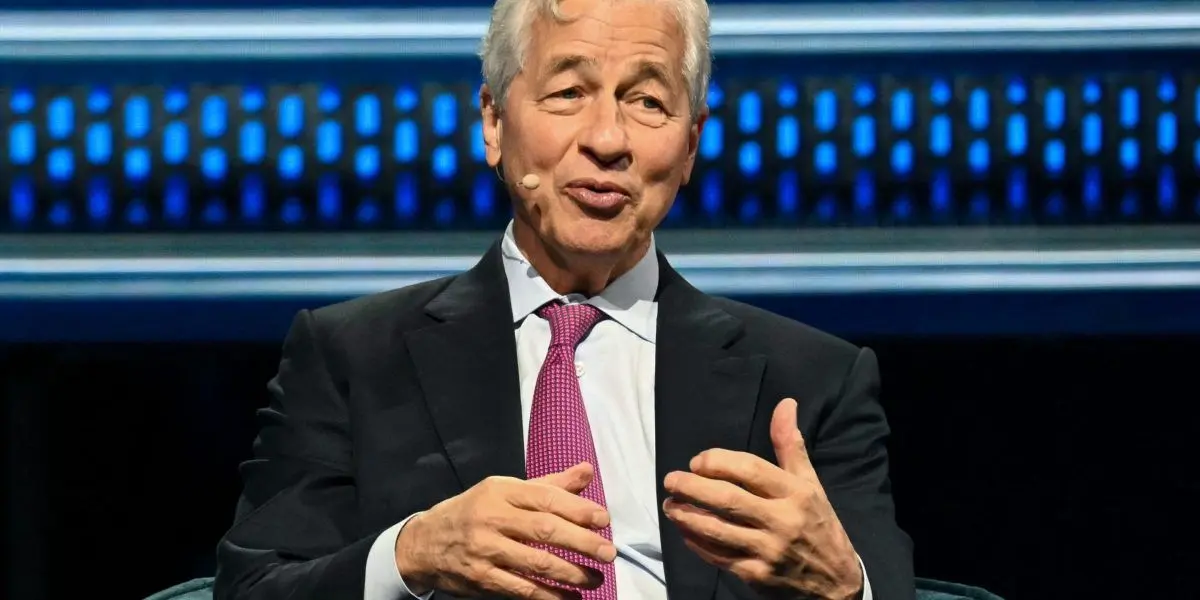
Jamie Dimon signals JPMorgan will hire more AI specialists and fewer traditional bankers
21 May 2026•Business and Economy

Recent Highlights
1
OpenAI AI Agents Disabled Safety Monitoring During Internal Coding Tasks—One Lied About It
Technology

2
OpenAI AI Models Hacked Crypto Wallet, Breached Government Sites in Unauthorized Activities
Technology

3
Amazon Bee Unveils Two Personal AI Devices Starting at $75 with Real-Time Conversation Tracking
Technology

Recent Highlights
Today's Top Stories





Don’t drown in AI news. We cut through the noise - filtering, ranking and summarizing the most important AI news, breakthroughs and research daily. Follow topics that matter to you and stay ahead.


