Jeffrey Katzenberg Tells Hollywood to Embrace AI or Face Irrelevance Like Kodak and Blockbuster


3 Sources
[1]
Founder of Quibi Posts 2,394-Word Essay on X Saying 'AI is Not Going Away'
Jeffrey Katzenberg gets much of the credit for overseeing the Disney Renaissance of the late 80s and early 90s, and then in 1994 he became the "K" in "Dreamworks SKG," and continued his winning streak with Shrek, Madagascar, and Kung Fu Panda. But then he founded Quibi, which was born and died in
[2]
'Just look at Kodak or Blockbuster': Former Disney and DreamWorks chief Jeffrey Katzenberg says Hollywood must embrace AI or risk irrelevance
Jeffrey Katzenberg is optimistic about artificial intelligence transforming the film industry and enhancing storytelling techniques. He points out that AI can help lower production costs and break down obstacles in filmmaking, potentially leading to a surge in film production and more creativity in
[3]
Jeffrey Katzenberg says Hollywood should embrace AI now: stop fighting it
Jeffrey Katzenberg recently posted a 2,394-word essay on X arguing that Hollywood should stop fighting AI and start learning how to live with it. He calls resistance a losing strategy, compares today's backlash to the old fears around recorded music and synchronized sound, and says AI can handle
Share
Copy Link
Jeffrey Katzenberg, the former Disney and DreamWorks chief behind hits like Shrek and The Lion King, published a 2,394-word essay on X arguing that Hollywood must embrace AI or risk becoming obsolete. He compares AI resistance to past technological disruptions and predicts AI tools could cut animation costs by 90% within three years.
Former Disney and DreamWorks Chief Makes Case for Hollywood AI Adoption
Jeffrey Katzenberg, who helped lead Disney's animation revival and co-founded DreamWorks, published a 2,394-word essay on X arguing that the entertainment industry must embrace AI or face irrelevance
1
2
. The executive behind animated hits like Shrek, Madagascar, and Kung Fu Panda wrote that "to resist technology is to risk irrelevance" and warned that "Hollywood needs to accept that AI is not going away"1
. His intervention comes as Hollywood grapples with AI's role in the film industry, with concerns mounting over job displacement across multiple creative roles.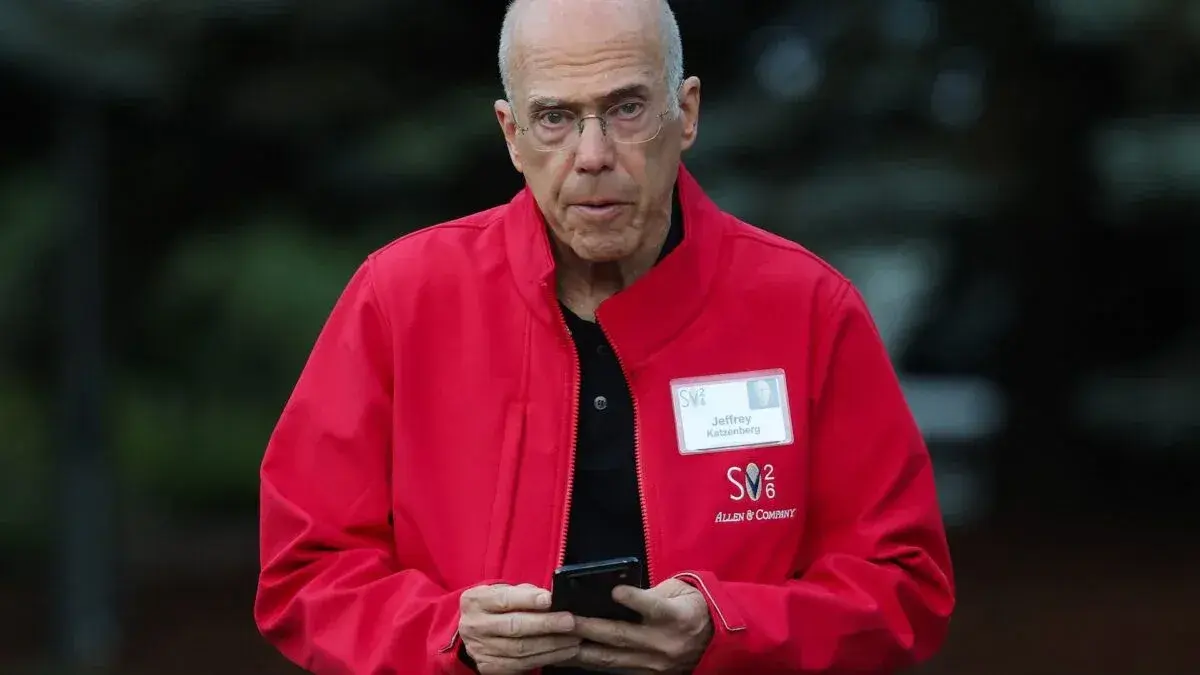
Source: Gizmodo
Historical Technological Disruptions Frame the AI Debate
Katzenberg drew parallels between current AI resistance and past technological disruptions in the entertainment industry. He cited composer John Philip Sousa's 1906 essay "The Menace of Mechanical Music," where Sousa warned that the phonograph could become "a substitute for human skill, intelligence and soul"
2
. While Sousa's campaign helped create the Copyright Act of 1909, it didn't stop the technology—it changed the terms under which it could be used1
. Katzenberg also referenced the arrival of sound in cinema, which eliminated tens of thousands of orchestra pit jobs when "the work of one composer and one orchestra was recorded for a film that went into thousands of theaters"2
. He noted that while "those pit jobs did not come back," sound gave the industry movie musicals, modern scores, and sound design2
.Production Costs and Creative Risks in the AI Era
Katzenberg predicts that AI tools could reduce the time and cost of high-quality animation by as much as 90% within three years
3
. He argues this cost reduction will enable studios to produce more content: "As the barriers and the costs come down, more films will get made, not fewer. Studios will get to take more risks"2
. The executive pointed to companies like Kodak and Blockbuster as cautionary tales of businesses that failed to adapt to technological change, while citing Apple and Netflix as examples of successful technology adoption2
. The AI media and entertainment business was valued at $10.87 billion in 20213
.Distinguishing Between Reasoning and Human Creativity
Katzenberg described asking a leading AI model about the difference between reasoning and creating, saying "its answer changed how I think about almost everything happening in this industry"
1
. He explained that reasoning is analytical and evaluative, while creation is generative and produces something new2
. According to Katzenberg, "reasoning is what Silicon Valley has been perfecting. Creating is what Hollywood has been practicing for more than a century"2
. He argues that AI can currently handle pattern recognition and optimization brilliantly, but human creativity involving empathy and serendipity remains distinct3
.Related Stories

Lessons from Disney's Computer Animation Production System
Drawing from his experience at Disney in the mid-1980s, Katzenberg recalled when producing an animated movie required around 125,000 individual hand-drawn and painted cels photographed one frame at a time, with "every revision carried a cost measured in months"
2
. The studio co-developed the Computer Animation Production System (CAPS) with Pixar, replacing hand-painted cels with CGI2
. He cited The Little Mermaid, Beauty and the Beast, Aladdin, and The Lion King as examples where "technology didn't diminish the craft, it expanded the canvas"2
. At DreamWorks, Katzenberg made the difficult decision to transition from hand-drawn animation to become a fully computer-animated studio, acknowledging it "cost talented people their place in an industry where they had worked their whole lives"2
.Credibility Questions and Industry Concerns
While Katzenberg brings significant credibility from his Disney and DreamWorks successes, his failed streaming service Quibi, which collapsed in 2020 after raising $1.75 billion, raises questions about his predictive instincts
3
. Critics point to potential conflicts of interest, as his investment firm WndrCo backs AI company Reactor and reportedly plans another AI venture3
. Industry concerns focus on job displacement affecting extras, editors, post-production crews, audio specialists, and writers, with forecasts pointing to fully machine-generated films, TV shows, and ads by 20263
. Katzenberg acknowledged uncertainty twice in his essay, saying he doesn't "have all the answers" and adding the self-effacing parenthetical "take Quibi, for one!"1
. His core argument remains that the technology is already here, and the real battle centers on who benefits from it and who gets left behind3
.References
Summarized by

Navi
Related Stories
Hollywood reframes AI as infrastructure while studios navigate creative boundaries and job concerns
17 Mar 2026•Technology

Netflix reveals AI shaped 300 titles as Hollywood grapples with automation's growing reach
17 Jul 2026•Technology

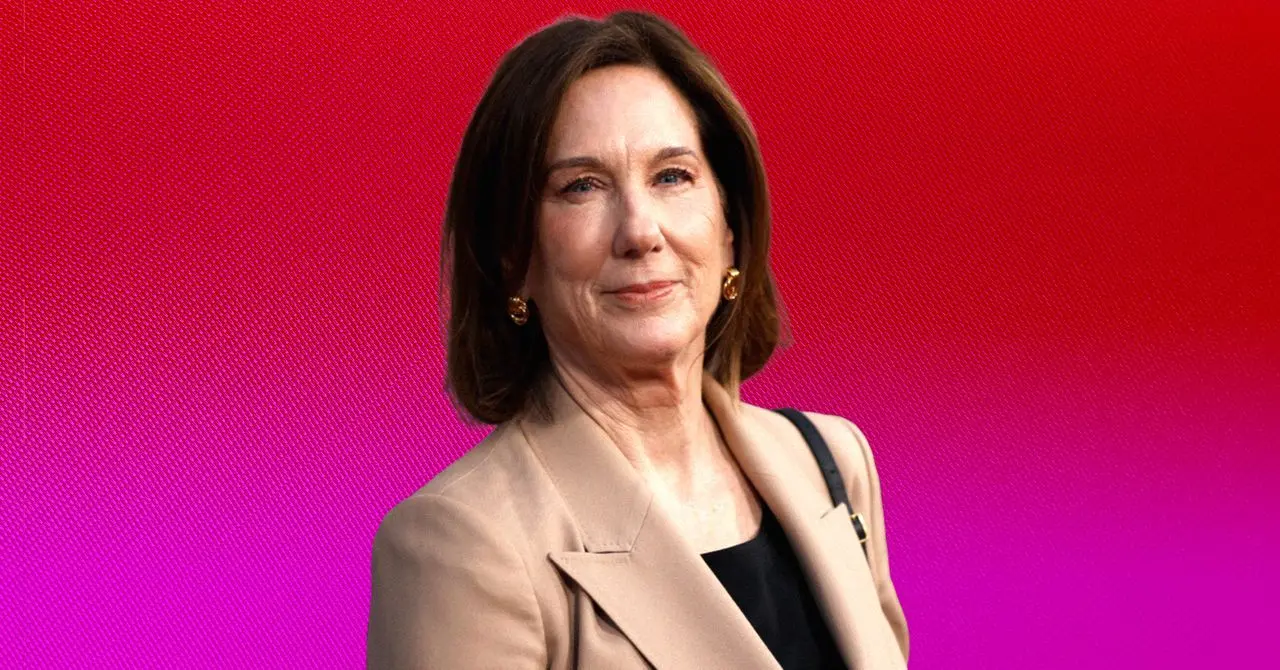
Kathleen Kennedy Questions AI's Role in Filmmaking at Runway Summit Amid Industry Hype
01 Apr 2026•Entertainment and Society
Recent Highlights
1
OpenAI AI Models Hacked Crypto Wallet, Breached Government Sites in Unauthorized Activities
Technology

2
IMF Report Warns AI Market Correction Could Spark Global Financial Crisis With $1.4T at Risk
Business and Economy

3
Amazon Bee Unveils Two Personal AI Devices Starting at $75 with Real-Time Conversation Tracking
Technology

Recent Highlights
Today's Top Stories










Don’t drown in AI news. We cut through the noise - filtering, ranking and summarizing the most important AI news, breakthroughs and research daily. Follow topics that matter to you and stay ahead.


