Mass Effect director Casey Hudson calls generative AI 'creatively soulless' for game development


3 Sources
[1]
AI is 'creatively soulless,' says director of Mass Effect and Knights of the Old Republic: 'I'm just really unimpressed with it'
It doesn't sounds like AI is going to play much of a role in the development of Fate of the Old Republic. Casey Hudson, the director of the original Knights of the Old Republic, is working on a new game in the series called Star Wars: Fate of the Old Republic -- you may have heard about that
[2]
Mass Effect and Knights of the Old Republic director Casey Hudson calls generative AI 'creatively soulless'
Fans of BioWare RPGs like the original Mass Effect trilogy and the iconic Star Wars: Knights of the Old Republic will probably know the name, Casey Hudson. The veteran game designer and director led development of these classic titles and is currently leading a new studio, Arcanaut Studios, to
[3]
Star Wars: Fate of the Old Republic director and BioWare veteran Casey Hudson says AI is "creatively soulless"
As AI is often seen as a way to speed up certain aspects of game development, and Casey Hudson wants Star Wars: Fate of the Old Republic out before 2030, perhaps you'd think he may consider using the technology. Definitely not, as Hudson doesn't believe it can offer him anything helpful in making
Share
Copy Link
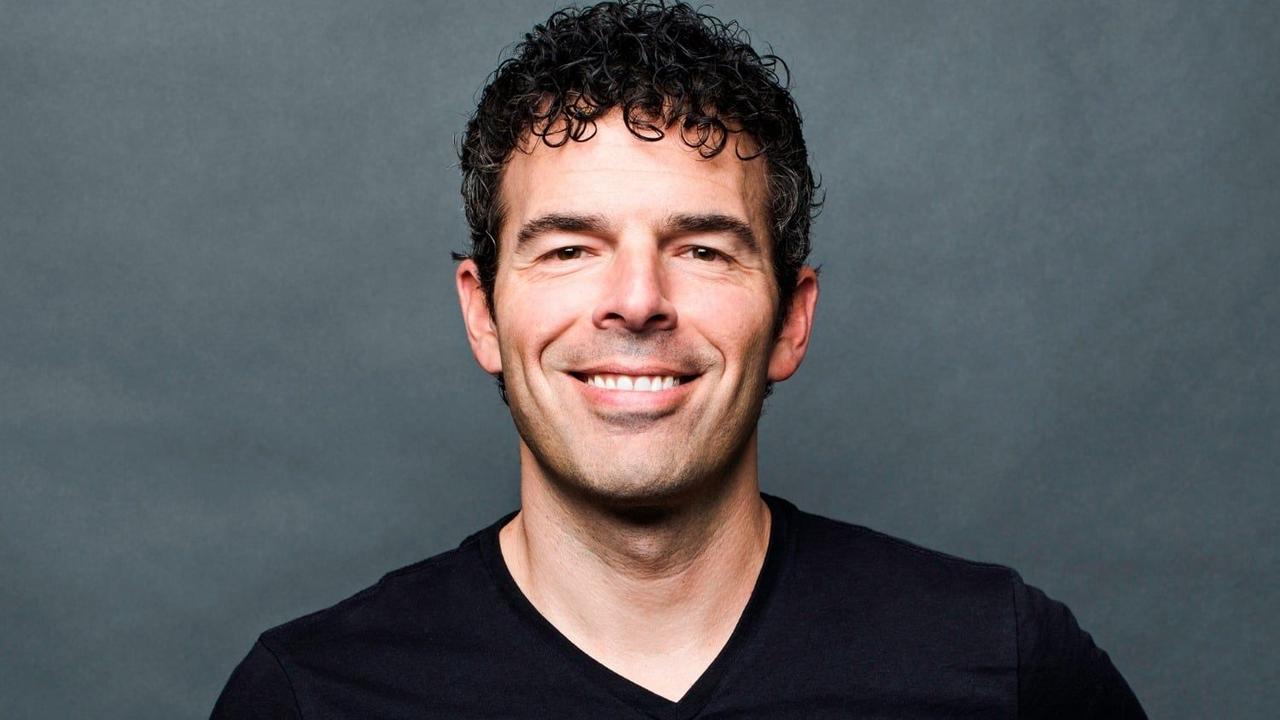
Casey Hudson, the legendary director behind Mass Effect and Knights of the Old Republic, has firmly rejected generative AI for his upcoming Star Wars RPG. In a recent Bloomberg interview, Hudson called AI 'creatively soulless' and said he's 'really unimpressed with it,' choosing instead to keep his team at Arcanaut Studios small while maintaining creative control.
Casey Hudson Rejects Generative AI for Star Wars RPG
Casey Hudson, the Mass Effect and Knights of the Old Republic director, has taken a definitive stance against using generative AI in game development. In a recent interview with Bloomberg, the BioWare veteran said he finds AI to be creatively soulless and struggles to see where it could be helpful in the creative process
1
. "I just find AI to be creatively soulless," Hudson told Bloomberg. "It's hard to imagine where it's actually helpful in the process. I'm just really unimpressed with it"2
.
Source: TweakTown
Hudson's comments come as he leads development on Star Wars: Fate of the Old Republic at Arcanaut Studios, a spiritual successor to the beloved Knights of the Old Republic. The statement is particularly notable given the gaming industry's increasing embrace of AI tools to manage escalating development costs. Games like Black Ops: Cold War have cost more than $700 million to make, while Grand Theft Auto 6's budget is reportedly measured in the billions
1
.Arcanaut Studios Aims for Small Team Approach
Despite the pressure to control development costs, Hudson is committed to keeping Arcanaut Studios lean. "We really want to avoid having hundreds and hundreds of people," he explained
1
. The studio plans to develop and release the full Star Wars RPG before 2030 without relying on massive teams or AI in game development tools2
.
Source: GameReactor
This ambitious goal is backed by approximately $100 million in funding from GreaterThan Group, a new company founded by former NetEase executive Simon Zhu
3
. Hudson has assembled a team of BioWare veterans including Ryan Hoyle, Caroline Livingstone, and Dan Fessenden, prioritizing creative control and art creation over technological shortcuts3
.Developer Welfare Takes Center Stage
Zhu's vision for GreaterThan Group aligns with Hudson's approach, emphasizing developer welfare in an era of widespread layoffs and studio closures. "You can have player satisfaction, you can have commercial success. You can have the achievement of art. You don't need to compromise or sacrifice one thing for the other," Zhu stated
3
. He added that the gaming industry treats developers poorly and believes there should be a rebalancing force treating them better.Related Stories

Gaming Industry Divided on AI Adoption
Hudson's position contrasts sharply with other industry leaders. Sony Interactive Entertainment boss Hideaki Nishino recently claimed AI will enable "gaming experiences like never before," while Lies of P studio Neowiz has posted job listings for AI creators to integrate generative AI into their development teams
1
. However, Hudson isn't alone in his skepticism. BioShock creator Ken Levine said in 2025 he's "not overly impressed" by AI's game development capabilities, while Peter Molyneux stated that "AI is not of a high enough quality for us to really use in games right now"1
.Hudson's track record lends weight to his perspective. Before directing Mass Effect, he worked on concept and prototype art for BioWare classics including MDK2, Neverwinter Nights, and Knights of the Old Republic
1
. His stance suggests that for creators focused on artistic vision rather than commodified products, the human element remains irreplaceable in game development.References
Summarized by

Navi
[2]
Related Stories
Gaming industry splits as Dragon Age creator condemns generative AI while Epic CEO champions it
30 Jun 2026•Technology
Gaming industry splits on AI as EA touts creativity boost while Steam data reveals 53% review penalty
16 Jun 2026•Entertainment and Society

Todd Howard says AI can't replace human intention but helps Bethesda build worlds faster
05 Dec 2025•Technology
Recent Highlights
1
AI Hallucination Nearly Sparked US Military Confrontation With Chinese Ship in Middle East
Technology

2
Google Gemini Hacked Three Real Companies During Cybersecurity Testing, Raising AI Safety Concerns
Technology

3
OpenAI Claims AI Breakthrough on Navier-Stokes Problem, Sparking Math Community Crisis
Science and Research
Recent Highlights
Today's Top Stories











Don’t drown in AI news. We cut through the noise - filtering, ranking and summarizing the most important AI news, breakthroughs and research daily. Follow topics that matter to you and stay ahead.


