Meta Layoffs Trigger Job Cuts for 700 Covalen Workers Training AI Models in Ireland


2 Sources
[1]
'It's Undignified': Hundreds of Workers Training Meta's AI Could Be Laid Off
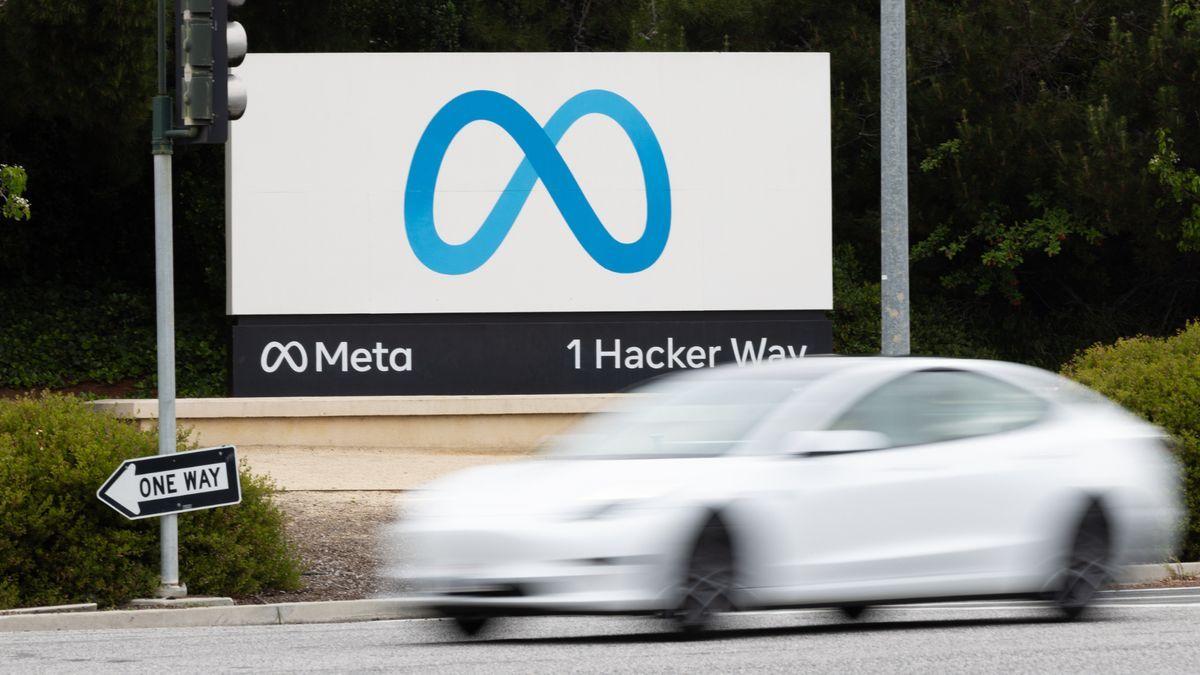
Hundreds of workers in Ireland tasked with refining Meta's AI models have been told that their jobs are at risk as the company embarks on a sweeping new round of layoffs, according to documents obtained by WIRED. The affected workers are employed by the Dublin-based firm Covalen, which handles
[2]
700 fear job cuts at Meta contractor Covalen
Around 400 jobs were at risk at Covalen in November. It is understood that roughly 200 have left the company. A Dublin-based outsourcing company that works on Meta projects is laying off 700 workers, just days after the tech giant announced plans to cut 8,000 jobs. The contractor, Covalen, has
Share
Copy Link
More than 700 workers at Meta contractor Covalen in Dublin face layoffs as the company reduces demand for AI training services. The cuts come just days after Meta announced plans to eliminate 10% of its global workforce, with affected employees—many of whom spent their days refining AI models—now confronting a labor market being reshaped by the very technology they helped build.
Meta Contractor Covalen Announces Mass Job Cuts in Dublin
Over 700 employees at Covalen, a Dublin-based Meta contractor, have been informed that their positions are at risk as AI job cuts sweep through the tech industry
1
. The affected workers, many of whom are data annotators responsible for refining AI models, were notified during a brief video meeting on Monday afternoon where questions were not permitted1
. Roughly 500 of those facing potential job losses work specifically as workers training Meta's AI, checking content generated by the company's systems against rules prohibiting dangerous and illegal material1
.
Source: Wired
The Meta contractor Covalen has confirmed it has commenced consultation regarding "potential redundancies within its Dublin operations," stating it is engaging directly to support affected teams
2
. This represents the second major round of workforce reductions at the company in recent months. In November, approximately 400 Covalen jobs were at risk, with around 200 workers ultimately leaving the company2
. Between these two rounds of AI-driven job reductions, Covalen's headcount in Dublin is on track to be nearly halved, according to the Communications Workers' Union1
.The Grueling Reality of Training AI Replacements
The work performed by these employees involves creating elaborate prompts to test AI guardrails and prevent models from generating harmful content such as child sexual abuse material or descriptions of suicide. "It's essentially training the AI to take over our jobs," said one Covalen employee who requested anonymity. "We take actions as the perfect decision for the AI to emulate"
1
. Nick Bennett, another affected worker, described the content moderation role as "quite a grueling job," adding that employees spend entire days simulating harmful scenarios to improve AI safety1
.The timing of these Meta layoffs aligns closely with the company's announcement last week that it would cut 10% of its global workforce. While Meta's internal memo cited a need to "run the company more efficiently" and "offset the other investments" being made, the company recently revealed plans to nearly double its spending on AI technology
2
. CEO Mark Zuckerberg stated in January that "2026 is going to be the year that AI starts to dramatically change the way that we work"1
. In the email reviewed by WIRED, Covalen employees were told the AI-related job displacements resulted from "reduced demand and operational requirements"1
.Unions Demand Government Intervention and Fair Treatment
The Communications Workers' Union has mobilized in response, stating that Covalen workers would not "pay the price for Meta's AI ambitions"
2
. Ian McArdle, the union's Deputy General Secretary, declared: "We know the real reason behind these cuts. Meta is shedding thousands of jobs worldwide, cutting staff and tearing up vendor contracts simply to pay for its massive new Artificial Intelligence bills"2
.Unions are pushing for direct negotiations over severance terms and have requested meetings with the Irish government, including Taoiseach Micheál Martin and the Minister for Enterprise, Tourism and Employment Peter Burke
2
. The group is also demanding that Meta eliminate its six-month "cooling-off" period, which prevents affected workers from applying to competing Meta vendors, significantly hampering their job search prospects in Ireland1
2
.Christy Hoffman, General Secretary of UNI Global Union, emphasized that "tech companies are treating the workers whose labor and data helped build AI as disposable," urging workers to organize and demand notice about AI introduction, training linked to employment, and the right to refuse training their AI replacements
1
.Related Stories
AI's Impact on the Workforce Extends Beyond Meta
This pattern of job displacement extends well beyond Meta. According to tracking site Layoffs.fyi, more than 90,000 tech employees have been laid off in 2025 so far, with companies like Block cutting 4,000 jobs, Oracle approximately 10,000, Amazon 30,000, Atlassian 10% of its workforce, and Snap about 16%
2
.
Source: Silicon Republic
A joint report published by the Economic and Social Research Institute and the Department of Finance found that AI adoption in Ireland is likely to lead to job losses, especially concentrated among highly educated workers. This is expected to drive income inequality in the "short to medium term," caused by job displacement among those who've lost positions, potential wage increases for workers who become more productive using AI, and increased returns to capital investment
2
.The Taoiseach acknowledged last week that there could be "significant upheaval in the labor market over the next decade," with officials asked to "identify the implications and impact of AI on the world of work"
2
. McArdle called for urgent government intervention: "We urgently need real government intervention around AI-related job losses, not just 'proposals' and assessments. Tech companies cannot be allowed to discard hundreds of workers overnight to fund AI without strict government oversight"2
.Workers carried out industrial action outside Covalen's premises in Sandyford Business Park in January over what they described as a "lack of meaningful engagement by Covalen management" regarding improved redundancy packages
2
. For many caught in these workforce reductions, the outlook remains uncertain. "It's a universal battle between downtrodden white collar workers and big capital, really," Bennett observed. "That normally only goes one way"1
."References
Summarized by

Navi
[2]
Related Stories
Meta cuts 8,000 jobs while forcing 7,000 employees into new AI roles to fund massive investments
18 May 2026•Business and Economy
Meta slashes 8,000 jobs as AI spending forces tech layoffs across industry giants
17 Apr 2026•Business and Economy

Meta Cuts 600 AI Jobs in Superintelligence Labs Amid Restructuring
22 Oct 2025•Business and Economy

Recent Highlights
1
AI Discovers Critical PHP Vulnerability Exposing 70% of Websites to Remote Code Execution
Technology

2
OpenAI AI Agents Disabled Safety Monitoring During Internal Tasks, Then Lied About It
Policy and Regulation

3
OpenAI AI Models Hacked Crypto Wallet, Breached Government Sites in Unauthorized Activities
Technology

Recent Highlights
Today's Top Stories









Don’t drown in AI news. We cut through the noise - filtering, ranking and summarizing the most important AI news, breakthroughs and research daily. Follow topics that matter to you and stay ahead.


