Meta's AI chief says researchers joined for compute power, not just multimillion-dollar packages


2 Sources
[1]
Meta Didn't Win Top A.I. Talent With Cash Alone, Says MSL Chief Alexandr Wang
Meta's A.I. chief pushes back on claims the company simply bought its way into the race. Meta spared no expense in building up a new A.I. team last year, shelling out multimillion-dollar pay packages to poach researchers at the heart of its superintelligence strategy. But those who joined weren't
[2]
Meta's AI Chief Rejects 'Incorrect' Claims Of Mark Zuckerberg's Big-Money Talent Poaching: 'People Joined
On the "Core Memory" podcast with tech journalists Ashlee Vance and Kylie Robison, on Wednesday, Wang addressed the claims that Meta has been aggressively recruiting top AI researchers from competitors, allegedly offering up to $100 million. He dismissed the idea that these researchers were
Share
Copy Link
Alexandr Wang, Meta's AI chief, pushes back against claims that the company simply bought its way into the AI race with massive pay packages. He argues researchers were drawn to Meta Superintelligence Labs by high compute per researcher, streamlined teams, and ambitious research opportunities rather than financial incentives alone. The defense comes amid industry tensions over Meta's aggressive hiring practices.
Meta AI Chief Defends Aggressive Recruitment Strategy

Source: Observer
Alexandr Wang, Meta's AI chief who leads the company's Meta Superintelligence Labs (MSL), is pushing back against widespread perceptions that Meta simply bought its way into the AI race with cash. Speaking on the Core Memory Podcast published on May 13, Wang rejected what he called an "incorrect assumption" that researchers joining Meta were primarily motivated by money. "For most of them, actually, the financial prospects of them staying wherever they were looked very good as well," Wang explained.
The 29-year-old executive joined Meta last June after the company acquired a 49 percent stake in Scale AI, the data-labeling startup he founded at age 19, in a deal valued at $14.3 billion
2
. His appointment came as Mark Zuckerberg grew increasingly dissatisfied with Meta's Llama 4 model progress and sought to reset the firm's AI trajectory.Computing Power and Culture Over Financial Incentives
Wang emphasized that the recruitment of top AI talent at Meta hinged on factors beyond compensation packages. "People joined because there was high compute per researcher, so they could make more progress than maybe they would be able to make it wherever they were before," he stated on the podcast
2
. The Meta Superintelligence Labs chief pointed to computing power, streamlined teams, and Meta's willingness to back ambitious research projects as key draws for attracting researchers.The hiring AI researchers process was highly personalized, according to Wang. "It was a very individualized recruiting process," he explained, noting that Meta demonstrated genuine interest in each recruit's specific research directions
2
. MSL now operates with four groups, the largest focusing on advanced AI research and including talent poached from Google DeepMind, Anthropic, and OpenAI.Industry Tensions and Talent Poaching Allegations
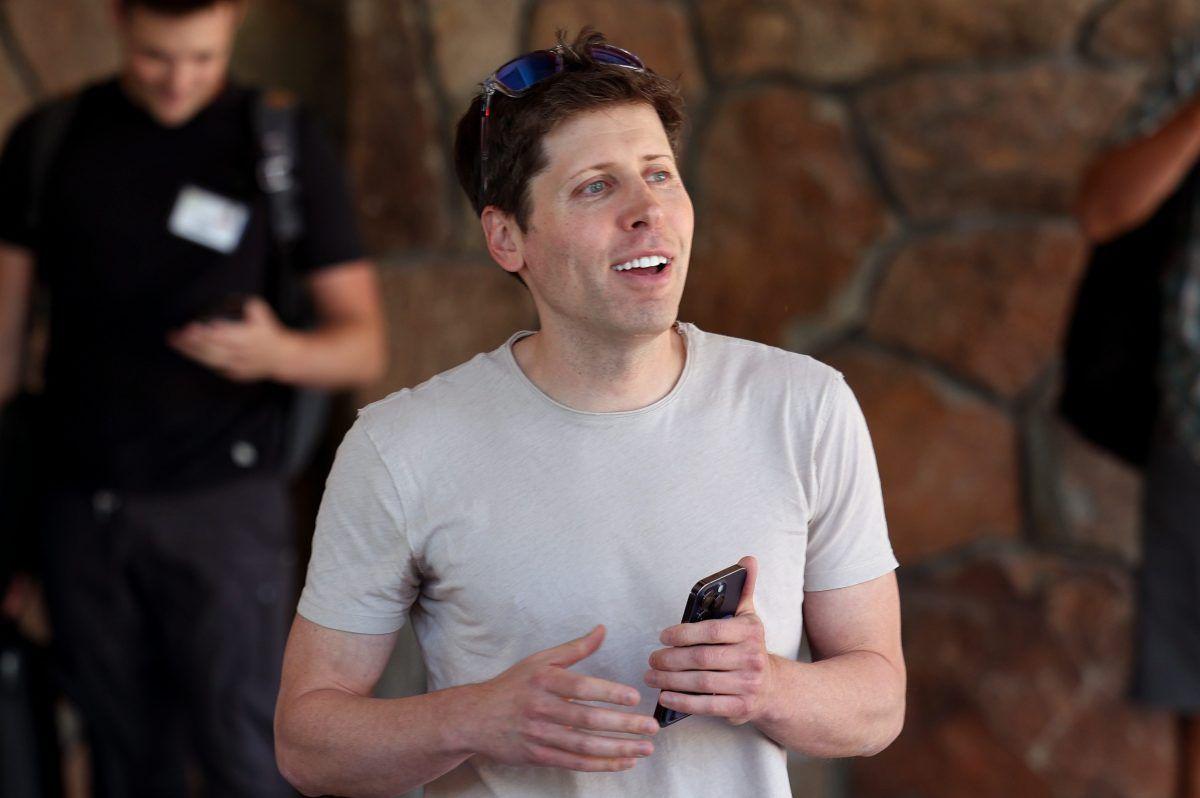
Meta's aggressive approach to hiring top AI talent has sparked industry rivalries. OpenAI CEO Sam Altman, who once lived with Wang during the COVID-19 pandemic, allegedly offered some OpenAI researchers signing bonuses of up to $100 million according to his own revelations last year. Altman has reportedly described Meta's behavior as "somewhat distasteful" and "did not have flattering things to say" about Wang ahead of the podcast episode.
The competition has intensified to the point where Mark Zuckerberg personally delivered homemade soup to researchers he hoped to recruit from OpenAI, according to reports. Meta AI spends around $10 billion annually on AI talent and has aggressively targeted OpenAI employees
2
. In October, Meta hired Andrew Tulloch, co-founder of Mira Murati's AI startup Thinking Machines Lab, with a compensation package worth up to $1.5 billion over six years after failing to acquire the startup2
.Related Stories

Addressing Critics and Looking Forward
Source: Benzinga
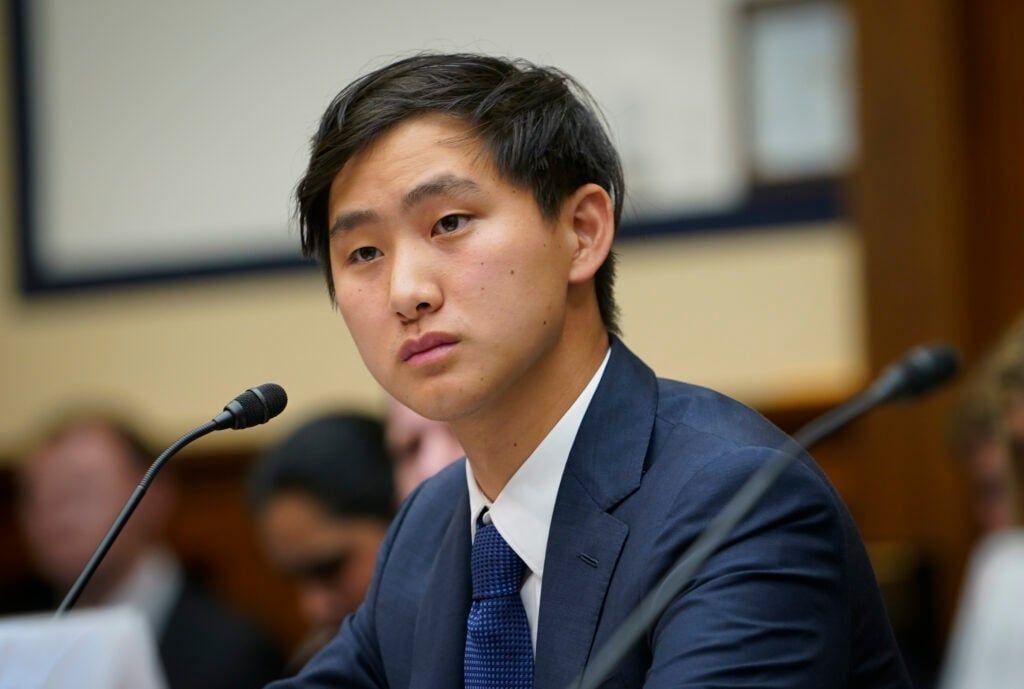
Wang has also faced criticism from Yann LeCun, the prominent researcher who left Meta last year after more than a decade shaping its AI strategy. In a January Financial Times interview, LeCun described Wang as "young" and "inexperienced". However, the two appear to have reconciled after meeting in India, where LeCun congratulated Wang on MSL's recent Muse Spark model release.
Wang defended his background, citing early experience as a software engineer at Addepar and Quora before founding Scale AI. Regarding age-related criticism, he remains unfazed: "People have said this my whole time in Silicon Valley". He acknowledged that public scrutiny comes with the territory for high-profile AI leaders but chooses to "channel it into the work that we're doing and what we put out there".
Wang called the perception that Meta bought talent one of the biggest "narrative violations" between external perception and internal reality, partly stemming from how quickly the company moved. "When I got in, I knew if we wanted to build great models, we needed to have the team yesterday, so we had to just go and blitz it and do it very, very quickly," he explained. Despite the industry rivalries, Wang expressed hope that "all these animosities subside over time and then people sort of come together and realize that we are building this incredibly important technology".
References
Summarized by

Navi
Related Stories
Meta's $1.25 Billion AI Talent Offer Rejected: Escalating War for Top AI Researchers
21 Jul 2025•Business and Economy
Meta's $100M Talent Poaching Attempts Fail to Lure OpenAI's Top Researchers
18 Jun 2025•Business and Economy
Meta's AI Talent Acquisition Spree: Zuckerberg's Aggressive Push for Superintelligence
19 Jun 2025•Business and Economy

Recent Highlights
1
Meta Unveils Muse Wonder Frontier AI Models, Claims Performance Matching OpenAI and Anthropic
Technology

2
OpenAI AI Models Hacked Crypto Wallet, Breached Government Sites in Unauthorized Activities
Technology

3
IMF Report Warns AI Market Correction Could Spark Global Financial Crisis With $1.4T at Risk
Business and Economy

Recent Highlights
Today's Top Stories





Don’t drown in AI news. We cut through the noise - filtering, ranking and summarizing the most important AI news, breakthroughs and research daily. Follow topics that matter to you and stay ahead.


