Micron's HBM4 Breakthrough and Strategic Partnerships Reshape AI Memory Landscape


3 Sources
[1]
Micron teams up with TSMC to deliver HBM4E, targeted for 2027 -- collaboration could enable further customization
Micron has confirmed it will partner with TSMC to manufacture the base logic die for its next-generation HBM4E memory, with production targeted for 2027. The announcement, made during the company's fiscal Q4 earnings call on September 23, adds yet more detail to an already busy roadmap. Micron is
[2]
Micron ships 11Gbps HBM4, working on HBM4E, and is ready with GDDR7 memory at 40Gbps+
TL;DR: Micron leads in ultra-fast GDDR7 memory with pin speeds exceeding 40Gbps, surpassing NVIDIA's current 28-30Gbps in GeForce RTX 50 series GPUs. As the sole LPDRAM supplier for NVIDIA's AI servers, Micron also advances HBM4 memory and partners with TSMC for next-gen HBM4E, enhancing AI and
[3]
Micron Ships Industry's Fastest 11 Gbps HBM4 Modules, Talks TSMC Partnership For HBM4E & Over 40 Gbps GDDR7 Memory
Micron has confirmed shipping the industry's fastest 11 Gbps HBM4 DRAM to customers & TSMC partnership for next-gen HBM4E. Micron Says It Has Outperformed The Competition With Its 11 Gbps HBM4 Memory, Will Partner With TSMC For HBM4E DRAM During its latest earnings call for Q4 & FY2025, Micron
Share
Copy Link
Micron announces industry-leading 11 Gbps HBM4 memory, partners with TSMC for HBM4E development, and reveals 40+ Gbps GDDR7 memory, signaling major advancements in AI and high-performance computing.
Micron's HBM4 Breakthrough
Micron has made significant strides in the high-bandwidth memory (HBM) market, announcing the shipment of early HBM4 samples that operate at speeds exceeding 11 Gbps per pin
1
2
. This achievement translates to an impressive bandwidth of up to 2.8 TB/s, positioning Micron at the forefront of memory technology for AI and high-performance computing applications1
3
.Strategic Partnership with TSMC for HBM4E
In a move that could reshape the memory landscape, Micron has partnered with TSMC to manufacture the base logic die for its next-generation HBM4E memory
1
. This collaboration, targeting production in 2027, opens up new possibilities for customization in AI workloads1
3
. By offering both standard and custom HBM4E logic dies, Micron aims to provide tailored memory solutions that could significantly enhance AI system design1
.GDDR7: Pushing the Boundaries of Graphics Memory
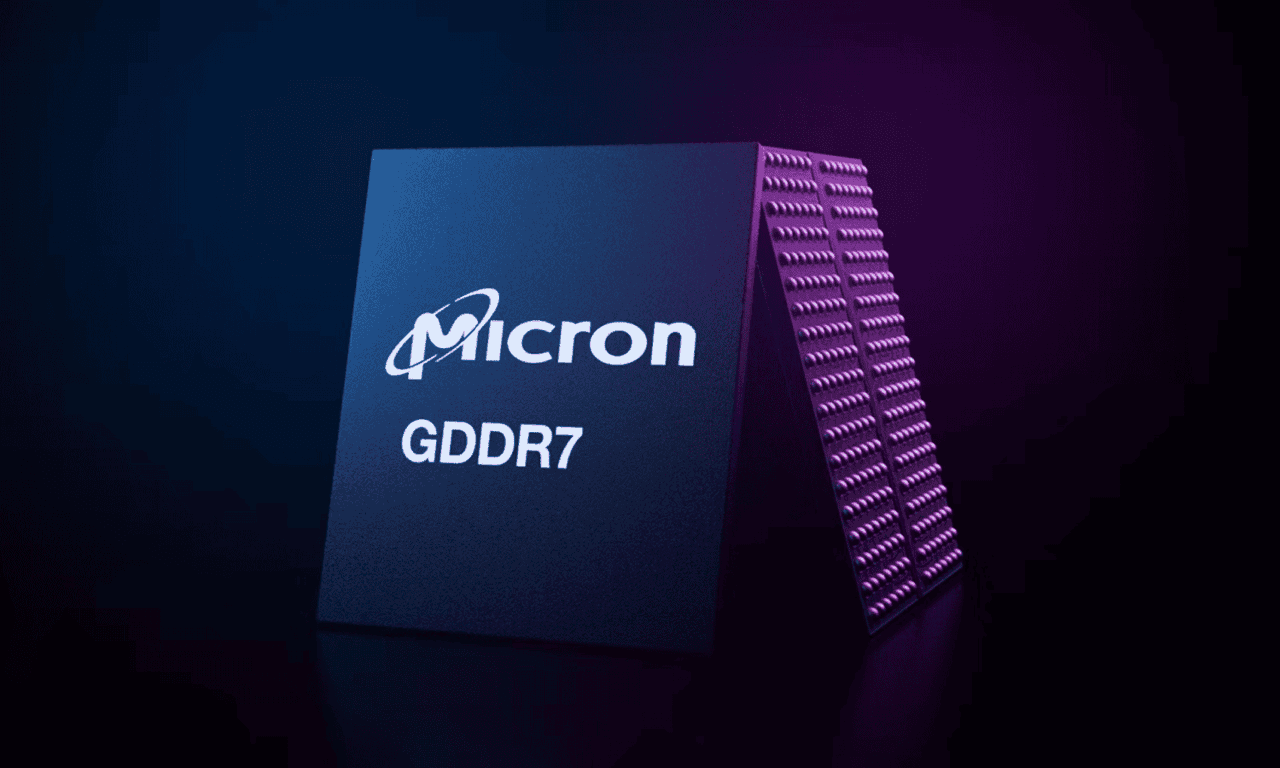
Micron is not only focusing on HBM but is also making waves in the graphics memory sector. The company has announced its readiness with GDDR7 memory, boasting pin speeds exceeding 40 Gbps
2
3
. This represents a substantial leap from the current 28-30 Gbps speeds found in NVIDIA's GeForce RTX 50 series GPUs, promising significant improvements in gaming and AI performance2
.Implications for AI and High-Performance Computing
The advancements in HBM4 and HBM4E align perfectly with the roadmaps of major GPU manufacturers like NVIDIA and AMD
1
. NVIDIA's upcoming Rubin architecture and AMD's Instinct MI400 family are both expected to leverage HBM4, with plans for HBM4E integration in their subsequent iterations1
. This synchronization between memory and GPU development could lead to unprecedented performance gains in AI and data center applications.Related Stories
Micron's Growing Influence in the AI Ecosystem
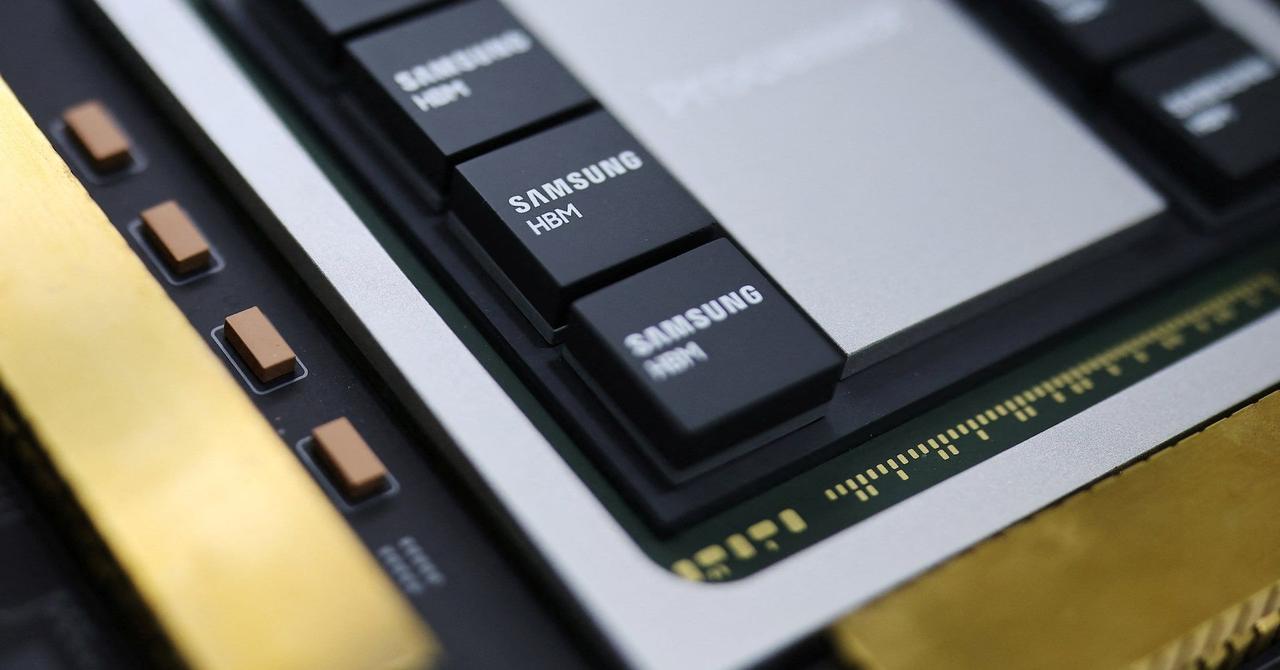
Micron's expanded customer base for HBM, now including six major players with NVIDIA among them, underscores the company's growing influence in the AI memory market
1
3
. As the sole supplier of LPDRAM for NVIDIA's AI servers, Micron is strategically positioned to shape the future of memory in AI infrastructure2
3
.Future Outlook and Industry Impact
The introduction of HBM4E and advanced GDDR7 memory could potentially broaden the adoption of high-bandwidth memory solutions in AI data centers
1
. As workloads continue to grow in size and complexity, the shift from traditional DDR5 or LPDDR to more advanced memory technologies like HBM4E could become increasingly common1
.Micron's innovations, coupled with its strategic partnerships and market positioning, signal a new era in memory technology for AI and high-performance computing. As these advancements materialize over the coming years, they are likely to play a crucial role in shaping the capabilities and efficiency of next-generation AI systems and data centers.
References
Summarized by

Navi
[1]
Related Stories
Next-Gen HBM Memory Race Heats Up: SK Hynix and Micron Prepare for HBM3E and HBM4 Production
22 Dec 2024•Technology

Micron Pioneers HBM4 Memory: A Leap Forward for AI and High-Performance Computing
11 Jun 2025•Technology
SK hynix Leads the Charge in Next-Gen AI Memory with World's First 12-Layer HBM4 Samples
19 Mar 2025•Technology

Recent Highlights



Recent Highlights
Today's Top Stories






Don’t drown in AI news. We cut through the noise - filtering, ranking and summarizing the most important AI news, breakthroughs and research daily. Follow topics that matter to you and stay ahead.


