Nvidia CEO Jensen Huang Envisions AI-Driven Future, Emphasizes US Manufacturing and Skilled Trades


2 Sources
[1]
NVIDIA's CEO Says the U.S. Can Win The AI Arms Race-But It Needs Trades People as Much as Engineers
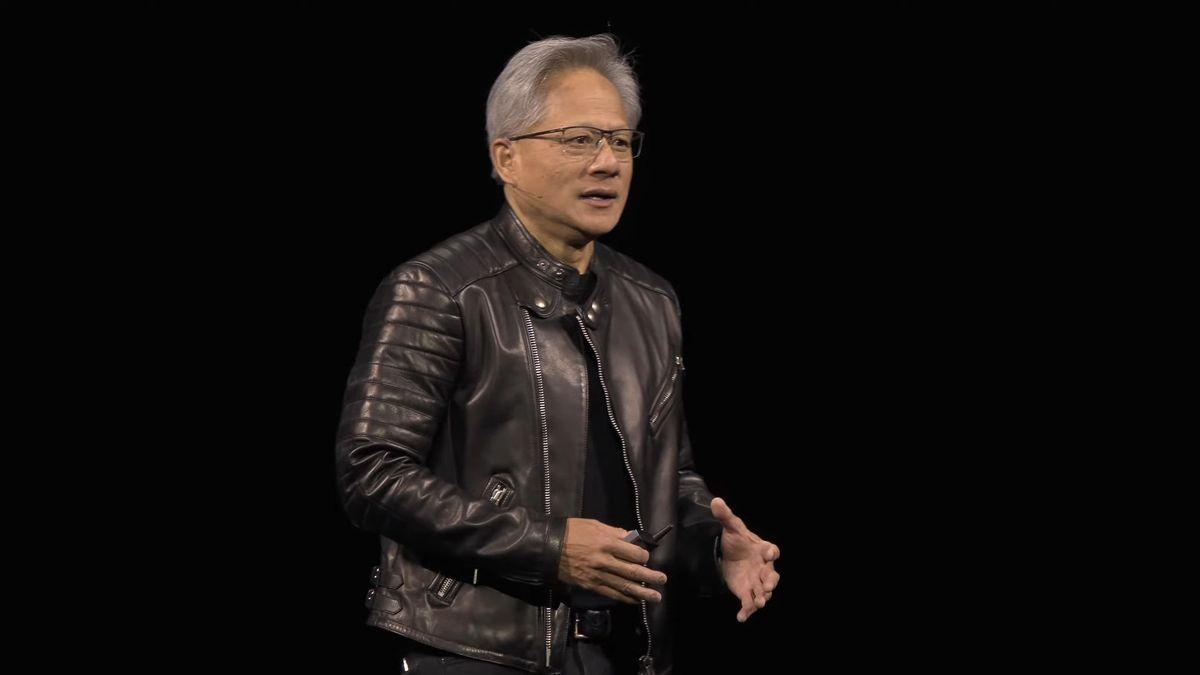
Nvidia CEO Jensen Huang views the advent of artificial intelligence as the next Industrial Revolution -- but cautioned that the United States must not grow complacent in the AI race against other countries. "It's really important that we understand that, ultimately, the winners of the last
[2]
Nvidia CEO Jensen Huang sees future where robots will manage and manufacture everything in AI factories
At the Hill and Valley Forum in Washington D.C., Nvidia CEO Jensen Huang called on American companies to become "AI factories" -- digitally driven hubs producing both physical goods and artificial intelligence. He emphasised the role of Nvidia chips in these operations and pushed for onshore
Share
Copy Link
Nvidia CEO Jensen Huang discusses the future of AI, emphasizing the need for US companies to become "AI factories" and the importance of domestic manufacturing and skilled trades in the AI revolution.

Nvidia CEO Envisions AI-Driven Industrial Revolution
Nvidia CEO Jensen Huang has painted a vivid picture of an AI-driven future, comparing the advent of artificial intelligence to the next Industrial Revolution. Speaking at the Hill & Valley Forum in Washington D.C., Huang emphasized the transformative power of AI and its potential to revolutionize every industry
1
.The Concept of "AI Factories"
Huang introduced the concept of "AI factories," envisioning a future where companies produce both physical goods and artificial intelligence. He explained that these AI factories would continuously generate "tokens," the basic output of AI systems, used to power autonomous functions in various products
2
."Just as we make physical cars today, or anything physical in the future, there'll be a digital version of it," Huang stated. "So you need an AI factory to create the AI model that runs in the car"
2
.The Importance of Domestic Manufacturing
In light of rising U.S.-China tensions and tightening export controls on advanced chips, Huang stressed the importance of onshore manufacturing. He revealed that Nvidia is now building AI supercomputers entirely within the U.S. for the first time, as part of an effort to localize manufacturing and reduce reliance on overseas suppliers
2
.The Role of Skilled Trades in the AI Revolution
Interestingly, Huang emphasized that the AI revolution isn't just about high-tech engineering. He highlighted the crucial role of skilled trades in building the infrastructure for AI:
"Our country needs to acknowledge that trade craft is respectable work, and it's necessary to build a country," Huang said, pointing out the importance of jobs in construction, steelwork, information technology, and networking in the coming data center construction boom
2
.The Concept of Digital Twins
Looking further into the future, Huang introduced the concept of "digital twins" - virtual replicas of factories that can be tested and optimized in simulation before being built in real life. He envisions a future where entire factories are software-driven, with robots orchestrating other robots
2
.Related Stories
The Global AI Race
Huang cautioned that the United States must not grow complacent in the global AI race. He drew parallels to the previous Industrial Revolution, noting that the country that applies the technology most effectively, rather than the one that invents it, often emerges as the winner
1
.This warning comes in the context of recent developments like China's unveiling of DeepSeek, which demonstrated the country's ability to create powerful AI engines quickly and cost-effectively
1
.Policy Implications
Huang's vision for AI-driven, domestically anchored manufacturing holds not just economic promise, but strategic importance in the current geopolitical climate. His upcoming closed-door roundtable with the House Foreign Affairs Committee to discuss chip exports and compliance issues underscores the critical intersection of technology, policy, and national security in the AI era
2
.References
Summarized by

Navi
[1]
Related Stories
Jensen Huang Warns AI Leaders Against Fearmongering as Nvidia Pushes Optimistic Vision
16 Mar 2026•Technology

Nvidia CEO Jensen Huang Emphasizes Global Cooperation in AI Amid Potential Trump Administration Restrictions
23 Nov 2024•Technology

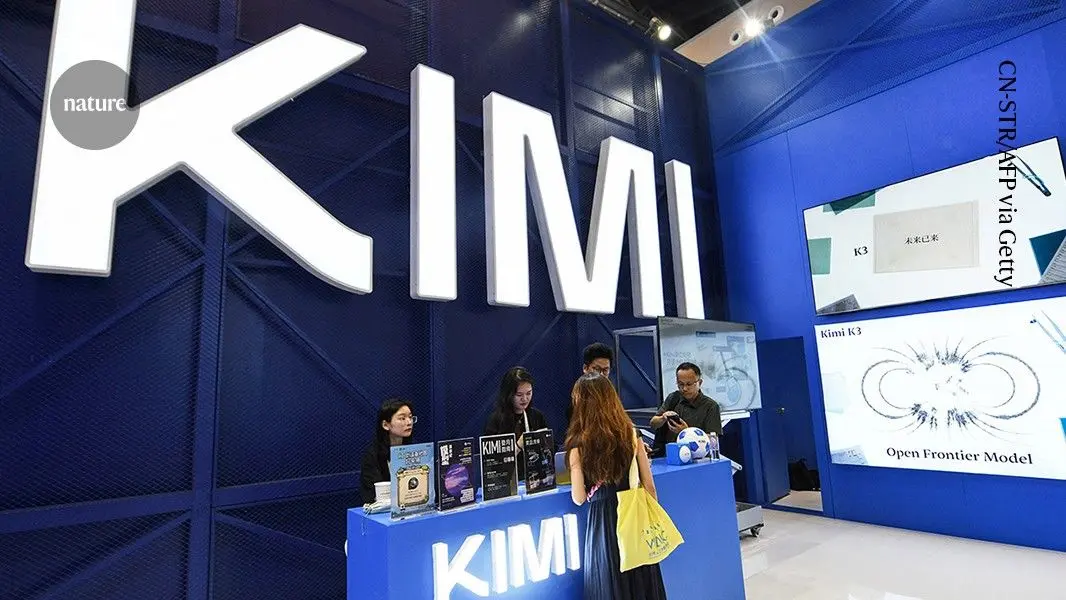
Moonshot AI's Kimi K3 challenges US rivals as Chinese AI closes the performance gap
16 Jul 2026•Technology
Recent Highlights
1
Microsoft and Nvidia Launch Surface Laptop Ultra: A $2,599 AI-Ready PC With RTX Spark Chip
Technology

2
OpenAI Releases 722 AI-Generated Math Papers on GitHub, Igniting Fury Among Mathematicians
Science and Research

3
Trump Consulted Grok AI Before Ordering Venezuela Invasion and Capture of Nicolás Maduro
Policy and Regulation

Recent Highlights
Today's Top Stories











Don’t drown in AI news. We cut through the noise - filtering, ranking and summarizing the most important AI news, breakthroughs and research daily. Follow topics that matter to you and stay ahead.


