Nvidia CEO Urges Japan to Boost Power Generation for AI Development


3 Sources
[1]
Nvidia CEO lobbies Japan to generate more power to fuel AI
Nvidia CEO Jensen Huang met with Prime Minister Shigeru Ishiba on Monday to push for more electricity generation to meet artificial intelligence's needs. The two discussed how Japan is particularly well-positioned to develop AI, given its leadership in robotics and industrial manufacturing, Huang
[2]
Nvidia's Jensen Huang Meets Japanese PM To Discuss AI's Growing Energy Needs - NVIDIA (NASDAQ:NVDA)
On Monday, Nvidia Corp NVDA chief Jensen Huang met with Japanese Prime Minister Shigeru Ishiba to canvass more electricity to power artificial intelligence's needs. Huang and Ishiba discussed how Japan is particularly positioned well to develop AI, given its leadership in robotics and industrial
[3]
Nvidia CEO urges LDP to build up Japan's AI infrastructure
Nvidia CEO Jensen Huang urged the ruling Liberal Democratic Party on Tuesday to build out domestic artificial intelligence infrastructure that could fuel a robotics revolution, aligning with the government's goal to boost public- and private-sector funding in AI and semiconductors. Huang's
Share
Copy Link
Nvidia CEO Jensen Huang meets with Japanese officials to discuss the country's potential in AI development and the need for increased energy infrastructure to support it.

Nvidia CEO Advocates for AI Infrastructure in Japan
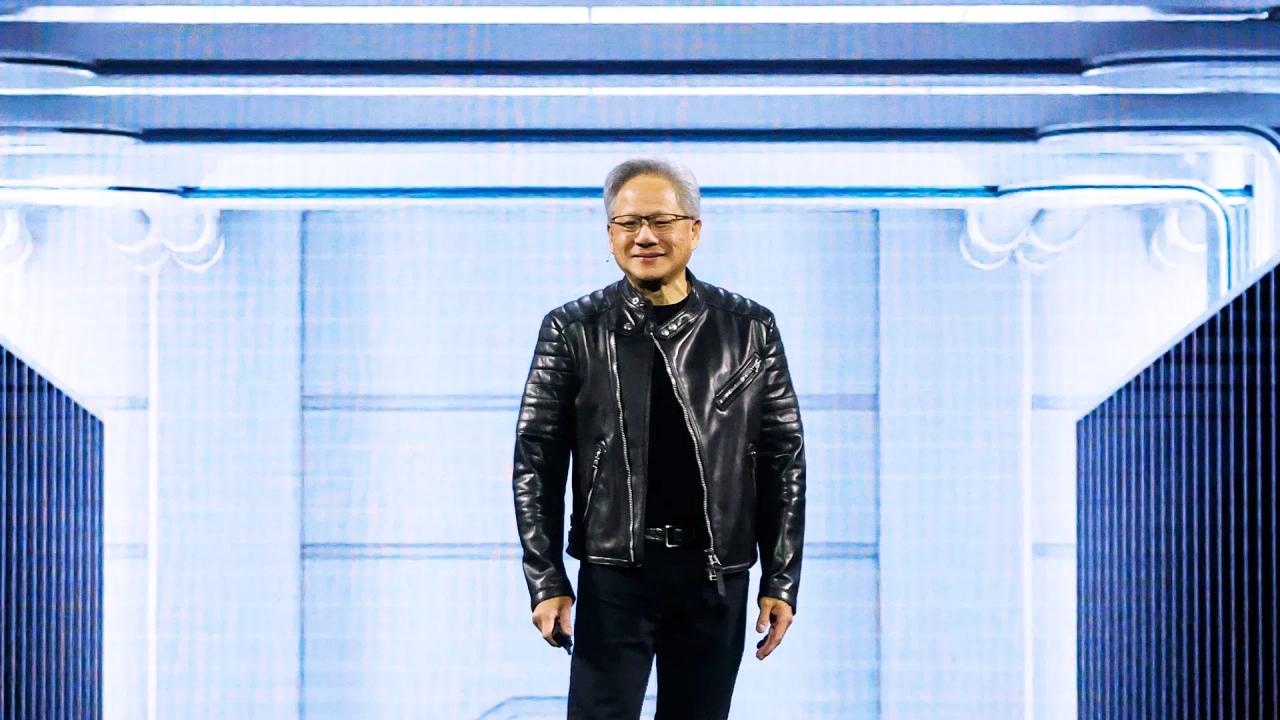
Jensen Huang, CEO of Nvidia, has embarked on a diplomatic mission to Japan, urging the country to bolster its energy infrastructure to support the growing demands of artificial intelligence (AI) development. In a series of high-profile meetings with Japanese officials, Huang emphasized the critical role of power generation in fueling AI advancements and positioned Japan as a potential leader in the field.
Meeting with Prime Minister Shigeru Ishiba
On Monday, Huang met with Japanese Prime Minister Shigeru Ishiba to discuss Japan's potential in AI development
1
. The Nvidia CEO highlighted Japan's existing strengths in robotics and industrial manufacturing as key advantages for AI innovation. However, Huang stressed that realizing this potential would require significant investments in energy infrastructure."The country needs to build new infrastructure," Huang stated, emphasizing that "Energy is essential for all industrial growth"
1
. This meeting set the tone for Huang's broader message to Japanese leadership about the importance of power generation in supporting AI ambitions.Engagement with the Liberal Democratic Party
Following his meeting with the Prime Minister, Huang addressed the ruling Liberal Democratic Party's (LDP) digital committee on Tuesday
3
. He urged the LDP to prioritize the development of domestic AI infrastructure, aligning with the government's goals to increase both public and private sector funding in AI and semiconductors.Huang's message to the LDP was clear and direct: "You must build it yourself because it's your intelligence"
3
. This statement underscores the strategic importance of homegrown AI capabilities for national competitiveness and technological sovereignty.Japan's Position in the Global AI Landscape
Huang's visit to Japan comes at a critical time in the global AI race. With geopolitical tensions rising, particularly between the United States and China, Japan's role in the semiconductor and AI industries is becoming increasingly significant
2
. The country is seen as a potential counterbalance to China's growing influence in the tech sector.Recent reports indicate that Dutch chipmaking equipment supplier ASML Holdings plans to significantly expand its Japan-based maintenance staff, further solidifying Japan's position in advanced semiconductor technology
2
. This move aligns with similar efforts in the U.S. and Europe to strengthen domestic chip production capabilities.Related Stories
Energy Demands and Economic Implications
The push for increased energy generation to support AI development has broad economic implications. As AI technologies become more sophisticated and widespread, their energy consumption is expected to grow exponentially. This presents both challenges and opportunities for Japan's energy sector and could potentially drive investments in renewable energy sources.
Huang's advocacy for enhanced power infrastructure also highlights the intricate relationship between technological advancement and energy policy. As countries compete to lead in AI development, energy capacity and efficiency may become key differentiators in their ability to support cutting-edge research and applications.
Conclusion
Jensen Huang's diplomatic efforts in Japan underscore the critical intersection of AI development, energy infrastructure, and national competitiveness. As Japan considers its path forward in the global AI race, the country's ability to meet the growing energy demands of AI technologies may prove to be a decisive factor in its success. The outcomes of these high-level discussions could shape Japan's technological and energy policies for years to come, with potential ripple effects across the global AI and semiconductor industries.
References
Summarized by

Navi
[1]
[2]
[3]
Related Stories
Nvidia's Jensen Huang secures sweeping Japan AI deals targeting factory floors and robotics
16 Jul 2026•Technology
NVIDIA Spearheads AI Revolution in Japan: Partnerships, Infrastructure, and Innovation
13 Nov 2024•Technology

Jensen Huang Warns Countries: Build AI Infrastructure Now or Risk Being Left Behind
03 Sept 2026•Policy and Regulation
Recent Highlights



Recent Highlights
Today's Top Stories






Don’t drown in AI news. We cut through the noise - filtering, ranking and summarizing the most important AI news, breakthroughs and research daily. Follow topics that matter to you and stay ahead.


