Nvidia hasn't sold a single H200 AI chip to China despite export ban lift four months ago


2 Sources
[1]
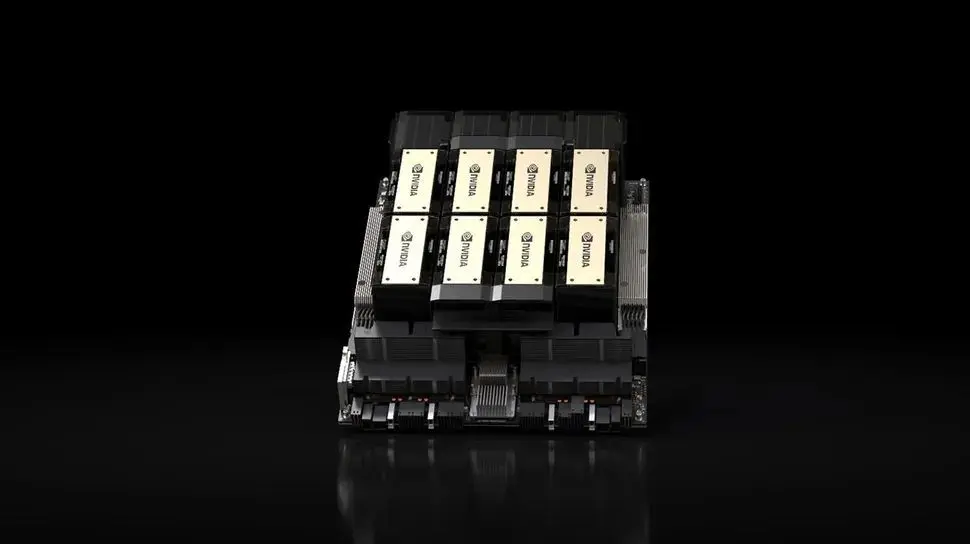
U.S. Commerce Secretary says Nvidia still hasn't sold any H200 AI GPUs to China -- Chinese government is blocking imports in an attempt to push domestic semiconductor industry
Nvidia says it's received orders for the H200 from Chinese companies, however. It's been four months since President Donald Trump lifted the ban on Nvidia selling its H200 AI chips to China, but Commerce Department Secretary Howard Lutnick says that the company still has yet to sell one to Chinese
[2]
Nvidia has not yet sold its H200 AI chips to China, Lutnick says
WASHINGTON, April 22 (Reuters) - Nvidia's (NVDA.O), opens new tab powerful H200 AI chips have not yet been sold to Chinese companies, Commerce Department Secretary Howard Lutnick said on Wednesday, citing difficulties faced by those firms to get permission from the Chinese government. "The Chinese
Share
Copy Link
Four months after President Trump lifted export restrictions, Nvidia still hasn't sold any H200 AI chips to China. U.S. Commerce Secretary Howard Lutnick says Beijing is blocking imports to push Chinese companies toward domestic alternatives like Huawei and Alibaba, even as demand remains high and some firms consider black market purchases.
U.S. Commerce Secretary Confirms Zero H200 Sales to China
Four months after the Trump administration lifted restrictions on Nvidia selling H200 AI chips to China, not a single unit has been delivered to Chinese companies, according to U.S. Commerce Secretary Howard Lutnick
2
. Speaking on Wednesday, Lutnick revealed that the Chinese government is actively blocking imports of these advanced AI technology products, despite formal approval from Washington in January. "The Chinese central government has not let them, as of yet, buy the chips, because they're trying to keep their investment focused on their own domestic industry," Lutnick explained1
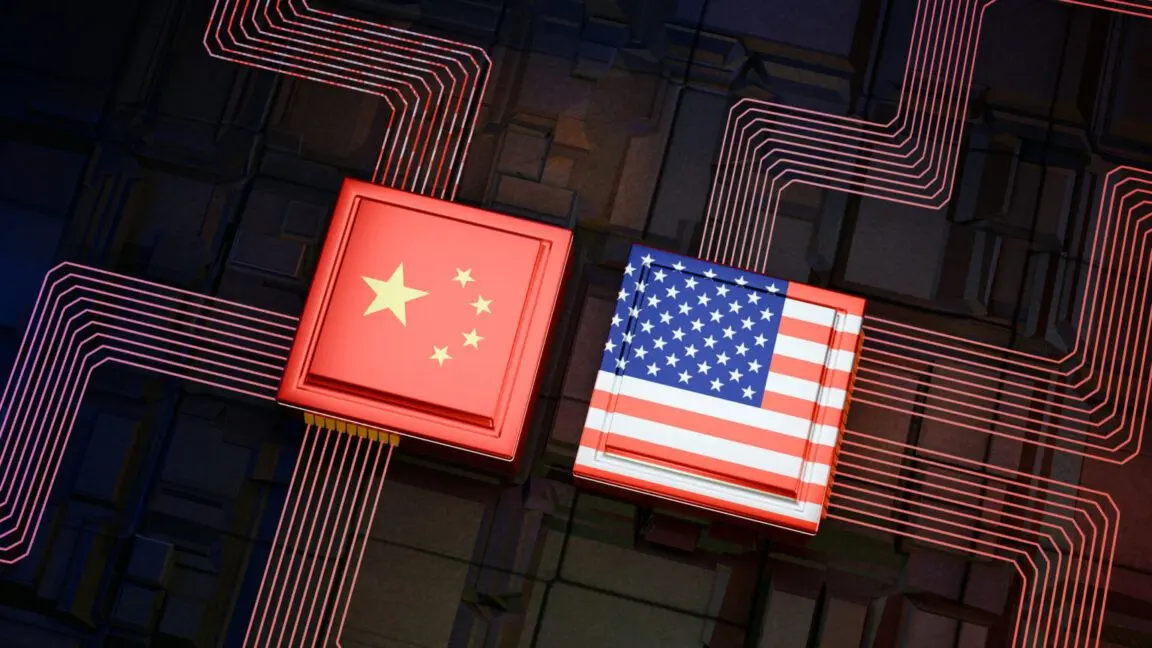
. This standoff highlights the complex geopolitical tensions shaping the global semiconductor landscape, where both nations are pursuing competing strategic interests.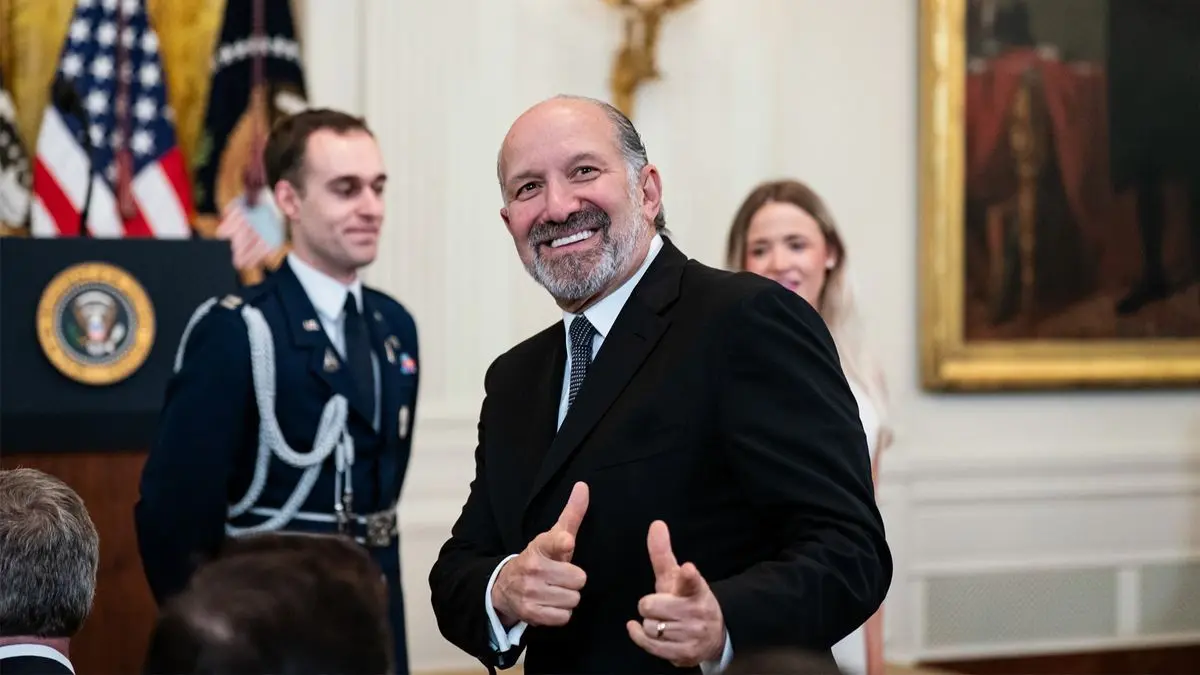
Source: Tom's Hardware
Conflicting Statements Create Uncertainty Around Export Licenses
The situation has become murky due to contradictory claims from different parties. Lutnick made similar statements in late February during a House hearing about the status of H200 AI GPUs sales
1
. However, Nvidia claimed at GTC 2026 last month that it had already received orders and export licenses for multiple Chinese customers1
. Adding another layer of complexity, AI chip exports are reportedly bottlenecked at the Bureau of Industry and Security, where undersecretary Jeffrey Kessler has been personally reviewing each individual application1
. Sources indicate that shipments have been stymied by disagreements over the terms of sales both in China and the U.S.2
.Beijing Prioritizes Domestic Semiconductor Industry Over Nvidia
Beijing has instructed customs officials to block H200 imports and has essentially only allowed universities and R&D labs to acquire them
1
. This move aligns with China's broader strategy to push companies toward purchasing locally-manufactured chips from Huawei, Alibaba, Baidu, Cambricon, and Moore Threads1
. Major Chinese firms including Alibaba and ByteDance were reportedly ready to order hundreds of thousands of Nvidia's AI GPUs when the U.S. finally allowed exports with a 25% fee1
. The Commerce Department's stance reflects ongoing trade complexities between the two nations.Related Stories
Nvidia's Market Share in China Plummets Amid Sanctions
The prolonged export ban and current import restrictions have severely impacted Nvidia's market share in China, which has fallen to under 60%—a dramatic decline from the 95% share the company held before sanctions were imposed
1
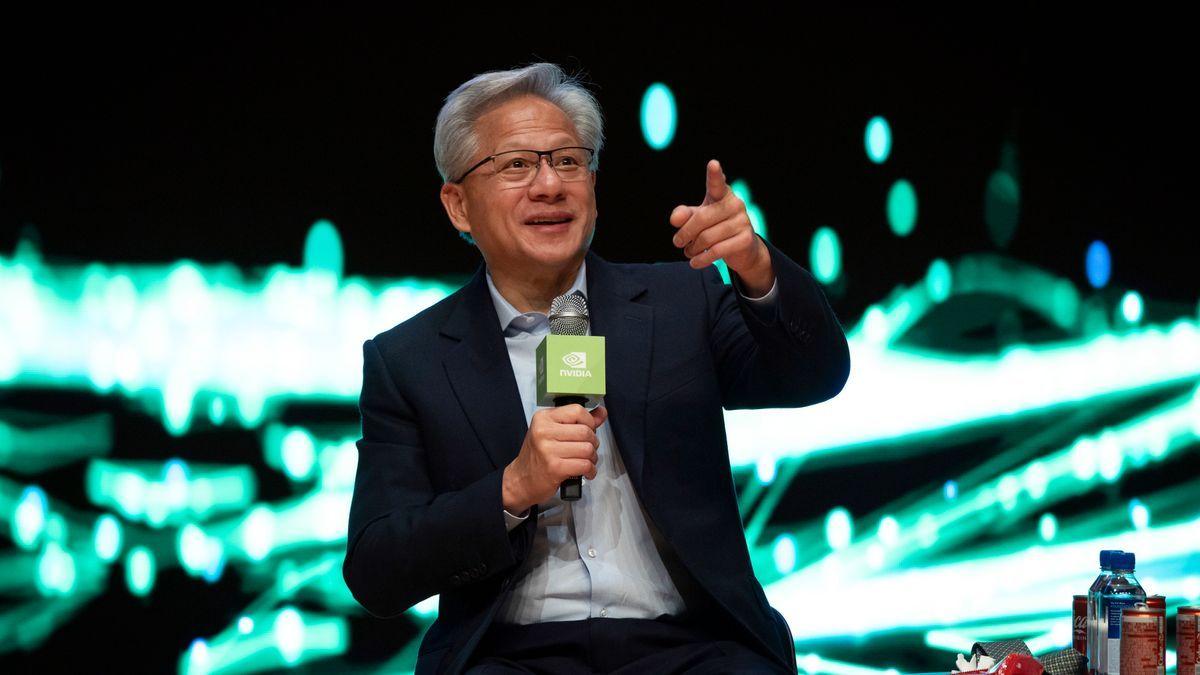
. This represents unwelcome news for Nvidia CEO Jensen Huang, who engaged in a heated discussion during a podcast with Dwarkesh Patel, arguing against a total ban on AI chip exports to China1
. Huang contended that the U.S. government should not allow Chinese AI chips to dominate over U.S. manufacturers just to make it harder for Chinese researchers to build their own AI models on the U.S. tech stack1
.
Source: Reuters
High Demand Persists Despite Black Market Considerations
Despite the limitations and uncertainties, demand for H200 chips remains high in China, even though the technology trails behind Nvidia's latest Blackwell and upcoming Vera Rubin AI GPUs
1
. The situation has become so acute that some firms are considering purchasing H200 chips on the black market1
. When asked about the affiliates rule—a regulation that would restrict shipments of advanced U.S. technology to thousands of Chinese companies—Lutnick acknowledged it as "a smart thing for the United States of America to consider," but noted it remains part of the balance of a full trade agreement2
. The rule was delayed for a year in November as part of trade negotiations with China2
.References
Summarized by

Navi
Related Stories
Nvidia's H200 AI chip sales to China stalled by US security review despite initial approvals
28 Jan 2026•Policy and Regulation
US export rules greenlight H200 sales to China, but strict limits put American buyers first
07 Jan 2026•Policy and Regulation
China blocks Nvidia H200 purchases despite US approval, pushing domestic chip development
12 May 2026•Policy and Regulation
Recent Highlights
1
OpenAI AI Models Hacked Crypto Wallet, Breached Government Sites in Unauthorized Activities
Technology

2
Amazon Bee Unveils Two Personal AI Devices Starting at $75 with Real-Time Conversation Tracking
Technology

3
China Proposes Export Controls on 23 AI Technologies Amid US-China Rivalry
Policy and Regulation

Recent Highlights
Today's Top Stories









Don’t drown in AI news. We cut through the noise - filtering, ranking and summarizing the most important AI news, breakthroughs and research daily. Follow topics that matter to you and stay ahead.


