Nvidia H100 GPUs Set to Launch Into Orbit as Startups Pioneer Space-Based AI Data Centers


7 Sources
[1]
Nvidia GPU Heads Into Orbit on a Mission to Test Data Centers in Space
When he's not battling bugs and robots in Helldivers 2, Michael is reporting on AI, satellites, cybersecurity, PCs, and tech policy. Don't miss out on our latest stories. Add PCMag as a preferred source on Google. A US startup is preparing to take an early step toward creating a data center in
[2]
Nvidia's H100 GPUs are going to space -- Crusoe and Starcloud pioneer space-based solar-powered AI compute cloud data centers
Space age partners claim the H100 delivers '100x more powerful GPU (AI) compute than has been in space before.' The first Nvidia H100 GPUs are heading into space next month. This out-of-this-world news comes as AI factory company, Crusoe, reveals its plans to become "the first public cloud
[3]
Nvidia GPUs head to space next month in first step toward AI data centers in orbit
Serving tech enthusiasts for over 25 years. TechSpot means tech analysis and advice you can trust. Forward-looking: Forget about putting data centers underwater; the next step could be placing them in outer space. A US startup aims to prove this is possible by launching a satellite carrying H100
[4]
Space data centers could satiate 165% surge in AI power hunger
Though launching data centers to space would be expensive, the LEO environment would provide two key benefits. Firstly, data centers in space would harness the effects of natural radiative cooling due to the extreme cold temperatures. On Earth, expensive cooling systems that consume enormous
[5]

NVIDIA Takes AI to Space with Solar-Powered Data Center
NVIDIA's powerful H100 GPU is officially heading to space, thanks to a partnership with AI startup Starcloud. The two companies are teaming up to build the first generation of space-based data centers, a bold move meant to solve the growing energy and cooling problems that Earth-bound data centers
[6]

NVIDIA officially goes extraterrestrial to absorb the power of the Sun
TL;DR: NVIDIA supports Starcloud's innovative AI-powered satellite data centers in low-Earth orbit, leveraging solar energy and space's natural cooling to reduce Earth-based data center energy costs and environmental impact. Starcloud's compact satellite offers 100x more GPU power, promising a
[7]

NVIDIA's AI Chips Blast Off to Space, Aiming to Harness Unlimited Solar Power and Use the Deep-Space Vacuum as a 'Celestial' Heatsink
NVIDIA's AI chips will witness their first 'outer space' debut soon, as the AI startup Starcloud plans to launch data centers out of Earth, claiming to yield tremendous benefits. Well, data center expansion on planet Earth is moving at a massive pace, with Big Tech being involved in deploying
Share
Copy Link
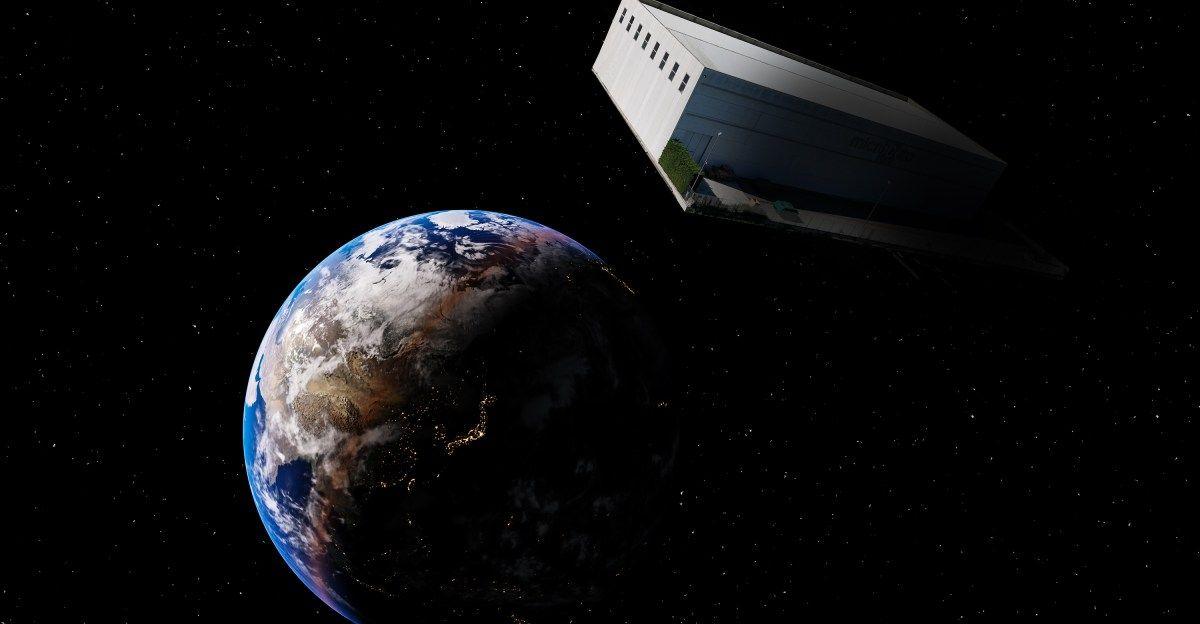
Starcloud, a Washington-based startup, is preparing to launch the first Nvidia H100 GPU into space next month aboard the Starcloud-1 satellite. This marks a significant step toward establishing orbital data centers that could harness unlimited solar power and natural space cooling to address Earth's growing AI compute demands.
Historic Launch Marks New Era for AI Computing
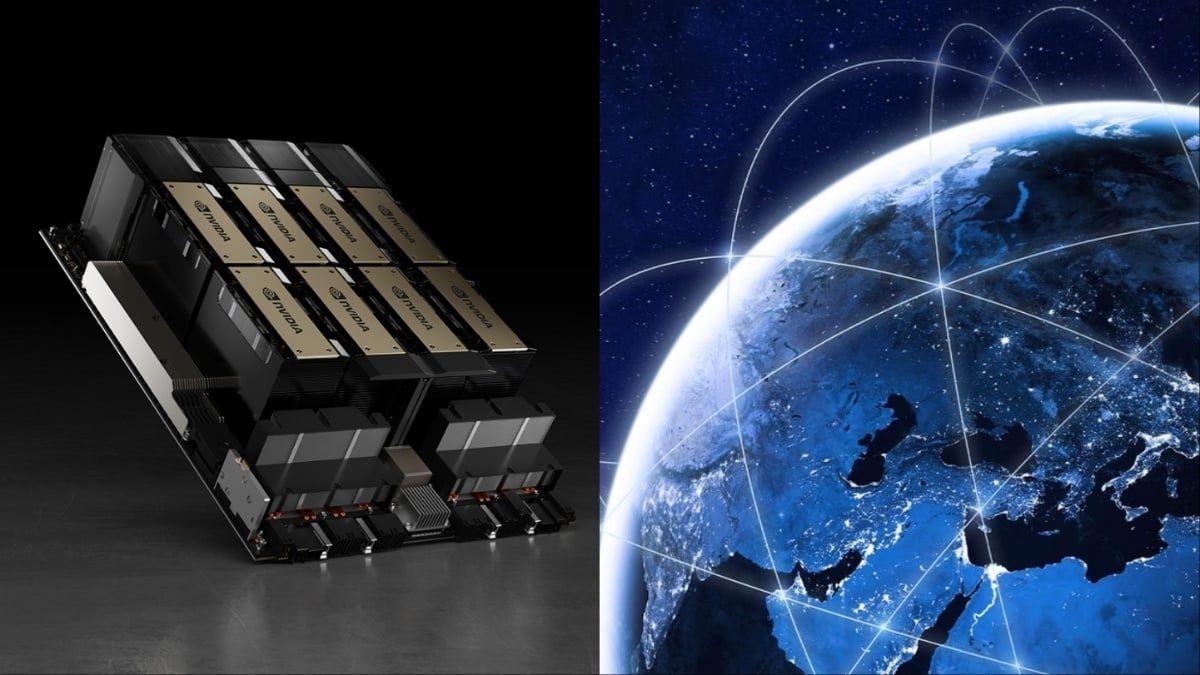
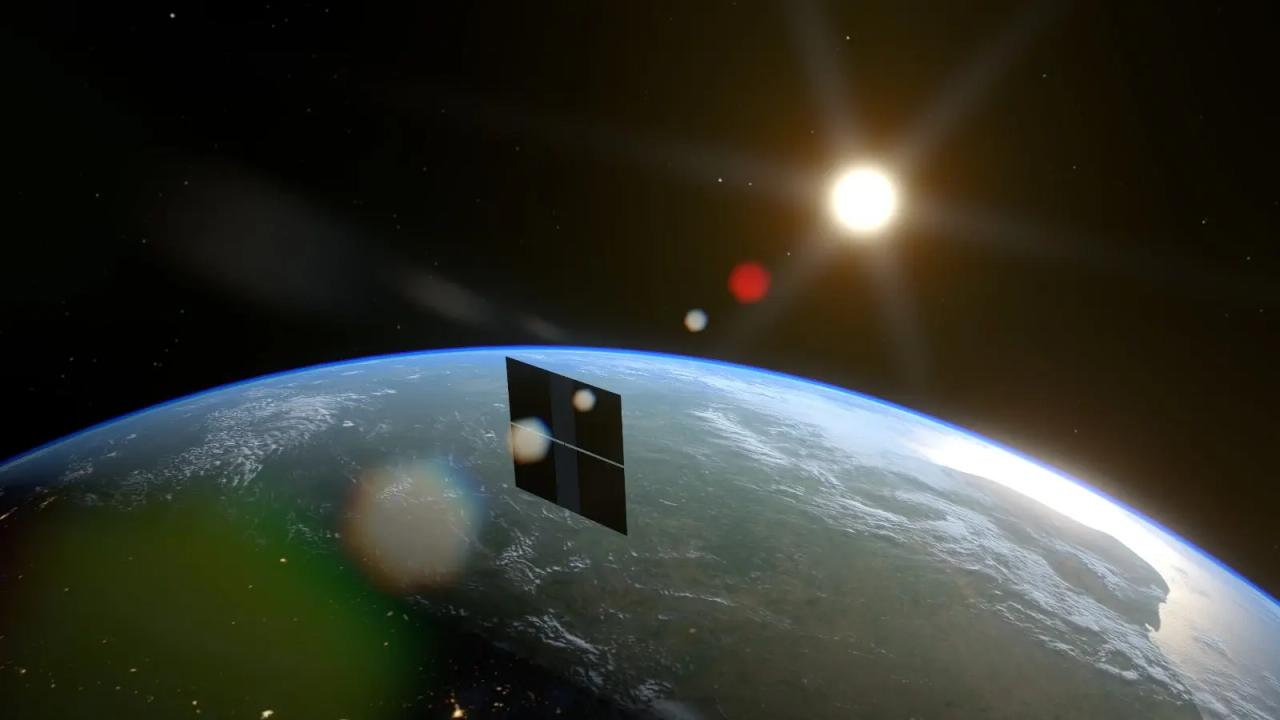
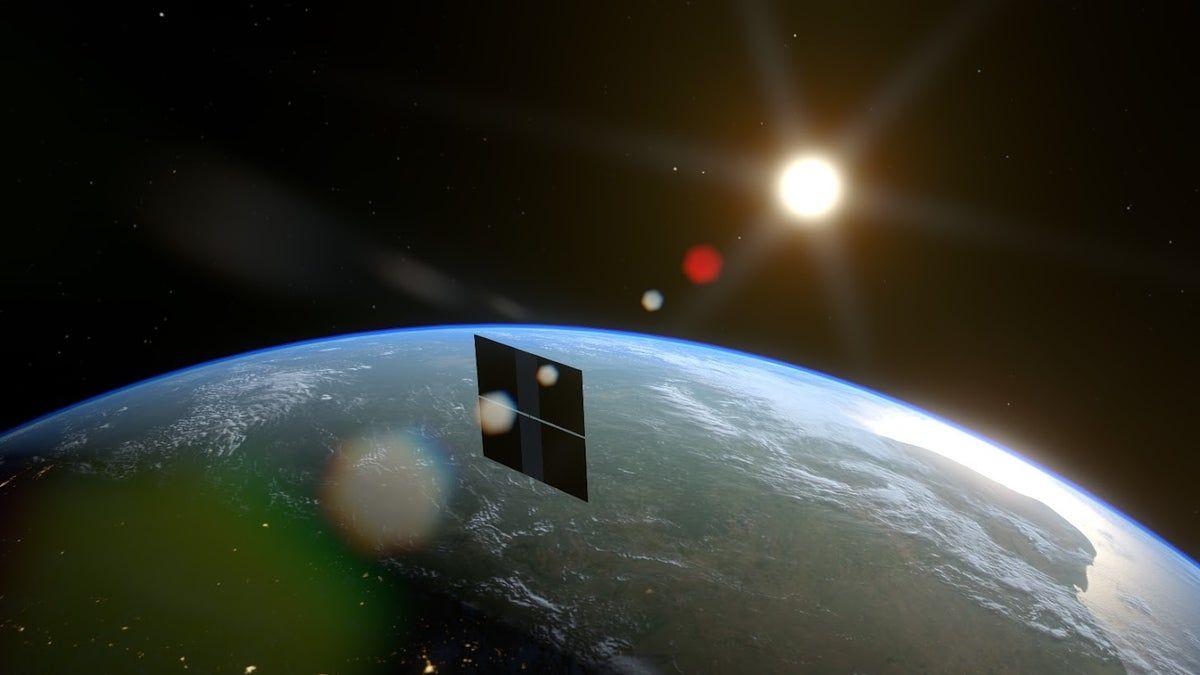
Next month will witness a groundbreaking moment in artificial intelligence infrastructure as the first Nvidia H100 GPU prepares to enter Earth's orbit. Starcloud, a Redmond, Washington-based startup formerly known as Lumen Orbit, is scheduled to launch its Starcloud-1 satellite carrying the $30,000 enterprise-grade GPU
1
. The 130-pound satellite, roughly the size of a small refrigerator, represents what Nvidia claims will deliver "100x more powerful GPU compute than any previous space-based operation"1
.
Source: TweakTown
Revolutionary Energy and Cooling Solutions
The space-based approach addresses two critical challenges facing terrestrial data centers: energy consumption and cooling requirements. Unlike Earth-bound facilities that rely on massive amounts of electricity and water for cooling, orbital data centers can harness unlimited solar power without atmospheric interference
3
. Philip Johnston, Starcloud's CEO, explains that "the only cost on the environment will be on the launch, then there will be 10x carbon-dioxide savings over the life of the data center compared with powering the data center terrestrially on Earth"1
.
Source: Guru3D
The cooling solution is equally innovative. Rather than traditional liquid cooling systems, the satellites will utilize what Nvidia describes as "cosmic-grade air conditioning," where waste heat is released directly into space through infrared radiation
5
. The vacuum of space acts as an infinite heat sink, eliminating the need for water-intensive cooling systems that plague Earth-based facilities.Strategic Partnerships and Commercial Vision
Starcloud has partnered with AI factory company Crusoe to develop the first public cloud operator capable of running workloads in outer space
2
. Crusoe, known for co-locating compute infrastructure near novel energy sources, will deploy its Crusoe Cloud service on a Starcloud satellite scheduled for late 2026, with limited GPU capacity from space expected by early 20272
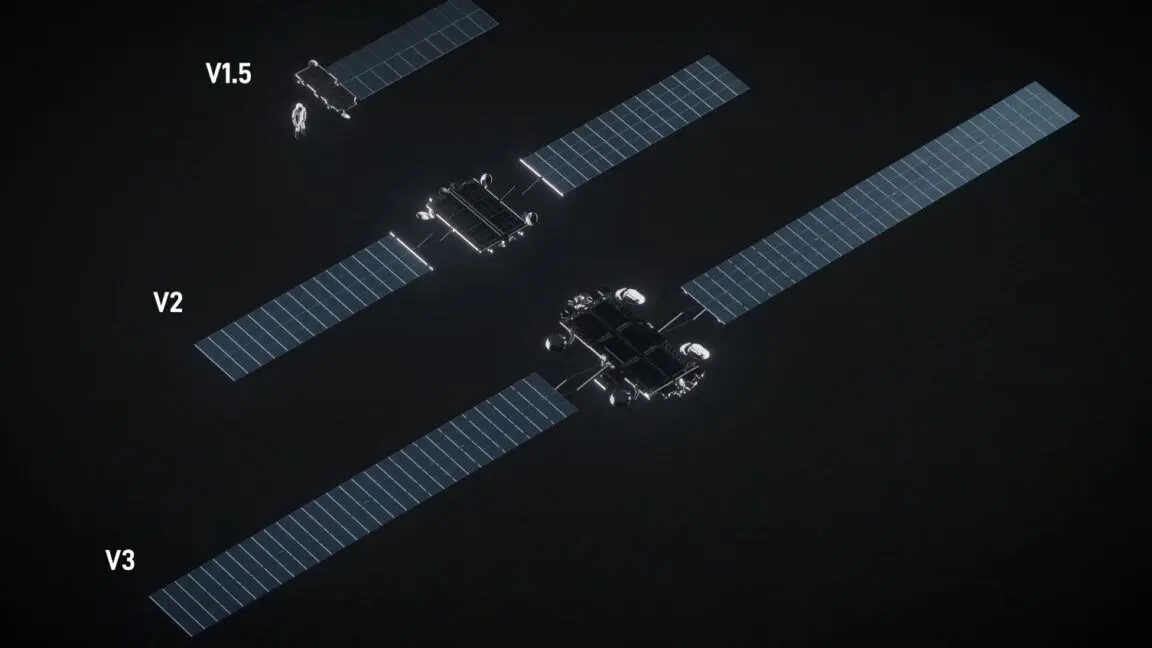
.The startup's ambitious roadmap includes launching the larger Starcloud-2 satellite next year as its first commercial offering. Long-term plans envision gigawatt-scale orbital data centers powered by massive solar arrays stretching 4 kilometers on each side
5
.Related Stories
Addressing Earth's Growing AI Demands
The timing of this initiative coincides with unprecedented growth in AI computing requirements. Industry estimates suggest power demand for data centers will increase 165% by 2030
3
. Research from Nanyang Technological University Singapore supports the orbital approach, proposing orbital edge data centers that could reduce data transmission volumes by a hundredfold while achieving net-zero carbon emissions4
.For connectivity, Starcloud envisions laser-based communication systems linking with existing satellite constellations like SpaceX's Starlink or Amazon's Project Kuiper, enabling seamless ground-to-orbit workload management
1
. This infrastructure would allow customers to easily communicate with and run computations on orbiting data centers.
Source: Interesting Engineering
Johnston boldly predicts that "in 10 years, nearly all new data centers will be being built in outer space," positioning this November launch as the first step toward fundamentally transforming how humanity approaches large-scale computing infrastructure
3
References
Summarized by

Navi
[2]
[4]
Related Stories
Google Announces Project Suncatcher: Ambitious Plan for AI Data Centers in Space
04 Nov 2025•Technology

Space-Based Data Centers Gain Momentum as Tech Giants Eye Orbital Computing Solutions
31 Oct 2025•Technology
AI Trained in Space as Tech Giants Race to Build Orbiting Data Centers Powered by Solar Energy
11 Dec 2025•Technology
Recent Highlights
1
Meta Unveils Muse Wonder Frontier AI Models, Claims Performance Matching OpenAI and Anthropic
Technology

2
IMF Report Warns AI Market Correction Could Spark Global Financial Crisis With $1.4T at Risk
Business and Economy

3
OpenAI Releases 722 AI-Generated Math Solutions, Triggering Existential Crisis in Mathematics
Technology

Recent Highlights
Today's Top Stories









Don’t drown in AI news. We cut through the noise - filtering, ranking and summarizing the most important AI news, breakthroughs and research daily. Follow topics that matter to you and stay ahead.


