OpenAI proposes giving US government 5% stake worth $42.6 billion amid regulatory pressure


29 Sources
[1]
OpenAI floats giving US 5% stake to win over AI haters
OpenAI CEO Sam Altman is reportedly in active talks with the Trump administration about the US potentially acquiring a 5 percent stake in the leading AI firm. Insider sources told the Financial Times that these talks are in "early stages," but Altman "has argued that giving the public a financial
[2]
Government-Backed AI? OpenAI Reportedly in Talks Over US Equity Stake
ChatGPT-maker OpenAI is in "early conversations" with the Trump administration about giving the government a 5% ownership stake in the company, the Financial Times reported on Thursday, citing two anonymous sources with knowledge of the matter. CEO Sam Altman's proposal reportedly calls for OpenAI
[3]
OpenAI floats giving Trump administration 5 percent cut of AI boom
OpenAI has floated giving the US government a 5 percent ownership stake as a way of easing tensions with the Trump administration and blunting mounting public backlash against AI, according to the Financial Times. CEO Sam Altman argued that giving the public a financial interest in the company
[4]
OpenAI mulling giving US gov't a 5% stake in the company, days after Washington delayed GPT-5.6 -- Altman reportedly wants every leading U.S. AI lab paying into an Alaska-style public fund
A 5% slice of OpenAI's $852 billion valuation would hand Washington roughly $42.6 billion in equity. OpenAI has discussed handing the U.S. government a 5% ownership stake, the Financial Times has reported, citing two people familiar with the talks, with CEO Sam Altman proposing that every leading
[5]

OpenAI proposes handing Trump administration 5% stake
OpenAI has discussed giving a 5 per cent stake to the US government as the $852bn AI start-up seeks to clear political obstacles by securing financial buy-in from the Trump administration. Sam Altman, chief executive of the ChatGPT maker, has argued that giving the public a financial stake in the
[6]

OpenAI reportedly wants all AI companies to give the US government a stake in their businesses - Engadget
Sam Altman is in talks with the US government in a bid to clear political hurdles, says the Financial Times. OpenAI's Sam Altman has reportedly been in talks with the US government to ensure his company's path towards achieving its goals remains free of political hurdles. According to the
[7]

OpenAI proposes 5% stake to Trump administration to ease Washington pressure: report
OpenAI has proposed handing the U.S. government a 5% stake in the company, the Financial Times reported Thursday, as the artificial intelligence startup seeks to defuse mounting political pressure in Washington. A 5% holding would be worth roughly $42.6 billion, after the AI fab closed a
[8]

OpenAI may give the US government a 5% stake, following Trump's Intel playbook
Serving tech enthusiasts for over 25 years. TechSpot means tech analysis and advice you can trust. Rumor mill: OpenAI is weighing a plan to give the US government a direct financial stake in the company, as artificial intelligence becomes as much a political issue as a technological one. The $852
[9]

America First: Sam Altman Proposes 'US-Led International Forum' for AI and 5% Stake for Trump Admin
It's one of the biggest and most urgent questions in the international AI race: Will countries around the world ever reach a consensus on how to regulate the technology cooperatively? Sam Altman believes he's found the answer, one that would theoretically create a shared set of safety standards
[10]

OpenAI has reportedly offered Washington a 5% stake worth $42.6bn
The proposal, described by the Financial Times, would see the government hold equity through a new public wealth vehicle rather than pay cash for it. OpenAI has proposed handing the US government a 5% equity stake in the company, according to the Financial Times, as the White House and Silicon
[11]

OpenAI wants to give the US government a piece of the company -- but don't assume you'll get a slice too
OpenAI has begun discussions about giving the US government a 5% stake in the company, according to an FT report, with CEO Sam Altman supposedly raising the idea as a method for smoothing relations with the Trump administration. Of course, right now there is no agreement or deal, and no guarantee
[12]

OpenAI courts Trump administration as its latest investor
Why it matters: If the overture is taken up by the Trump administration, that would mean the government would have a vested interest in weighing whether or not to limit the release of an OpenAI model. Catch up quick: OpenAI views the potential government stake as a way to give the general public a
[13]

OpenAI might give a 5 percent stake to the US government
OpenAI CEO Sam Altman wants to give the U.S. government ownership stock in the AI company . Credit: Ludovic MARIN / AFP via Getty Images It seems like OpenAI CEO Sam Altman has learned a lesson from Intel. If you want the Trump administration to back off your company, simply provide them with an
[14]

OpenAI 'in early talks to give 5% stake to US government'
CEO Sam Altman argued move would share benefits of AI and it would involve other firms doing similar, report says OpenAI is reportedly in early stage talks to give a 5% stake in the ChatGPT developer to the US government as artificial intelligence companies attempt to smooth relations with Donald
[15]

OpenAI Woos Trump Administration as Investor
* Custom Feed: See the stories that matter most to you. * Smart Alerts: Get notified about major news as it happens. ChatGPT creator OpenAI is reportedly discussing giving the U.S. government a 5% stake in the company, in an apparent attempt to improve relations with President Donald Trump's
[16]

OpenAI Offers US Government a $42 Billion Slice of Itself: Report
The talks follow a month of escalating government intervention in frontier AI releases -- including a delayed GPT-5.6 rollout and a temporary export ban on Anthropic's top models. OpenAI has been in talks with the Donald Trump administration about handing the U.S. government a 5% stake in the
[17]

OpenAI offers the US government a 5% ownership stake
Sam Altman reportedly wants to hand the US government a stake in OpenAI worth tens of billions, and he wants Silicon Valley's other giants to do the same. OpenAI has offered the US government a 5% stake in the company, the Financial Times reported on Thursday, as the ChatGPT maker tries to head
[18]

OpenAI could reportedly give 5% stake to US government
OpenAI Group PBC has reportedly floated the idea of giving a 5% stake to the US government. Sources told the Financial Times today that the ChatGPT developer's executives made the suggestion during talks with Trump administration officials. According to the report, the discussions are at an early
[19]

OpenAI proposes government stakes in federally backed AI companies
Sam Altman has reportedly engaged in discussions with the US government to navigate political obstacles for OpenAI. According to the Financial Times, Altman has proposed granting the government a five percent stake in OpenAI as a means to share the benefits of the AI boom with the public. This
[20]

OpenAI Weighs US Government Stake Amid AI Regulation Push
OpenAI has reportedly discussed giving the US government a 5% equity stake in early Trump administration talks as Washington tightens AI model oversight. OpenAI, the company behind ChatGPT, has reportedly discussed giving the US government a 5% equity stake as artificial intelligence oversight in
[21]

Sam Altman wants to give a 5% OpenAI stake to the US government: Report
OpenAI is reportedly exploring a 5% equity stake for the U.S. government, a move aimed at easing political concerns and fostering ties with the Trump administration. CEO Sam Altman believes this approach would democratize AI's economic benefits. The proposal, which could extend to other major AI
[22]

OpenAI proposes handing U.S. government a 5% stake, report says
OpenAI has discussed giving the U.S. government a 5% stake, the Financial Times reported on Thursday, as artificial intelligence firms face scrutiny in Washington over the likely misuse of advanced models and whether Americans would benefit from the industry's massive valuations. The ChatGPT
[23]

Trump's AI Portfolio Could Get a $42 Billion OpenAI Stake - Meta Platforms (NASDAQ:META), Alphabet (NASDA
The Trump administration's technology portfolio may be about to get significantly larger. At OpenAI's latest reported valuation of roughly $852 billion, that stake would be worth just over $42 billion. The proposal remains in its early stages, and no agreement has been reached. If the proposal
[24]
OpenAI: OpenAI offers 5% stake to Trump administration: report
The proposed arrangement would involve other U.S. AI companies handing over a similar stake to the government, The Financial Times reported, adding that it was not clear if the other AI firms would be willing to do so. ChatGPT maker OpenAI is reportedly planning to handover a 5% stake to the
[25]

OpenAI Floats Giving Government 5% Share in Company | PYMNTS.com
That's according to a Thursday (July 2) Financial Times (FT) report, which characterizes the move as the artificial intelligence (AI) startup aiming to clear political hurdles with a financial buy-in from the White House. CEO Sam Altman has argued that giving the government a stake in the company
[26]

US government would get 5% stake in OpenAI under Sam Altman proposal: report
OpenAI CEO Sam Altman is reportedly floating a proposal to hand the US government a 5% stake in the ChatGPT maker as the company looks to cement ties with the Trump administration and blunt mounting political pressure over the explosive rise of artificial intelligence. Altman has argued that
[27]

OpenAI Weighs 5% US Government Stake as AI Firms Face Growing Federal Scrutiny
Meanwhile, the reported discussions come as leading AI companies prepare for public listings and continue working with US officials on national security and AI policy. The proposal also follows recent comments from President Donald Trump about giving Americans a share in the future growth of AI
[28]

Washington Wants a Seat at the AI Table
The Trump administration may be preparing to take a more direct position in the AI boom The political logic is not hard to see. AI companies are raising enormous sums, consuming increasing amounts of power, reshaping local communities and creating a growing fear that the gains will be concentrated
[29]
OpenAI in talks to give U.S. government 5% stake - report By Investing.com
Investing.com -- OpenAI has proposed giving the U.S. government a 5% stake in the company, the Financial Times reported on Thursday, as the artificial intelligence company seeks to ease political pressure from Washington. OpenAI chief executive Sam Altman suggested a stake of that size in early
Share
Copy Link
OpenAI CEO Sam Altman is in talks with the Trump administration about handing over a 5% equity stake valued at $42.6 billion. The proposal aims to share AI-driven economic growth with the public through a sovereign wealth fund similar to Alaska's oil dividend model. The move comes as AI companies face mounting political pressure and public skepticism.
OpenAI Pitches Unprecedented Government Ownership Deal
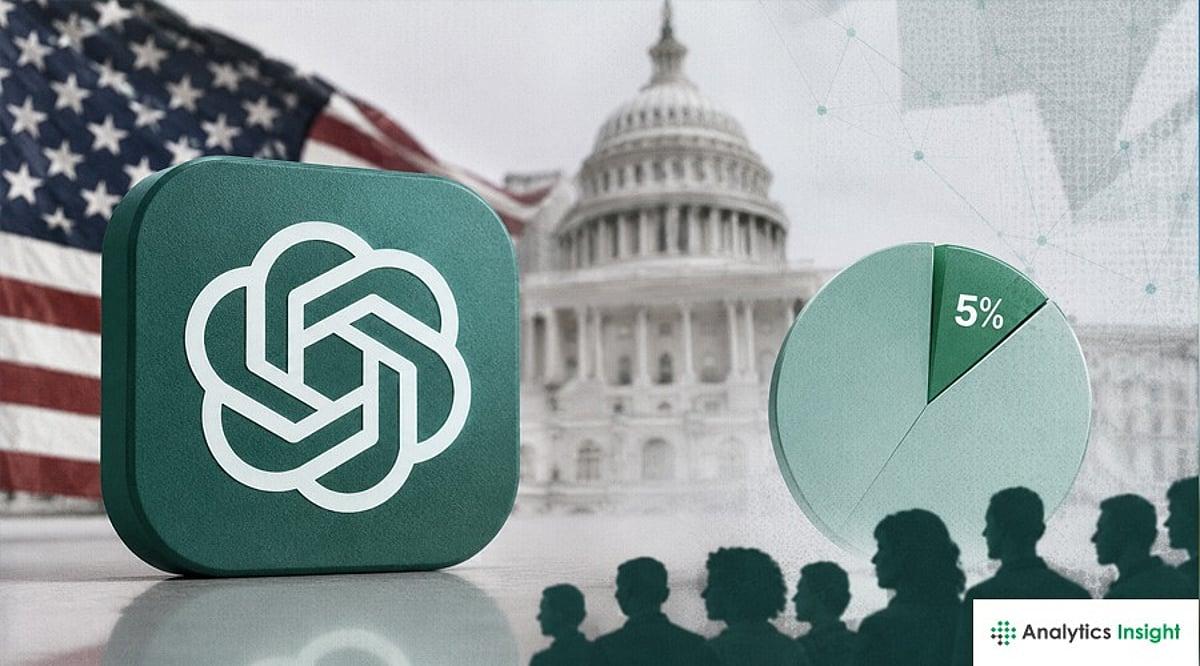
OpenAI is in early-stage discussions with the Trump administration about giving the US government a 5% ownership stake in the company, according to sources familiar with the talks
1
5
. The Sam Altman proposal would see the ChatGPT maker hand over equity worth approximately $42.6 billion based on OpenAI's current $852 billion valuation2
4
. Sam Altman has argued that providing the public with a financial stake in AI companies is the optimal way to distribute the benefits of the AI boom3
.
Source: Analytics Insight
US Sovereign Wealth Fund Model Targets Multiple AI Companies
The OpenAI 5% stake proposal extends beyond a single company arrangement. Altman has pitched a structure where every leading US AI lab would contribute the same equity share to a vehicle modeled on the Alaska Permanent Fund, which invests Alaska's oil wealth into stocks and pays annual dividends to state residents
4
5
. According to the Financial Times, other AI companies approached include Google, Meta, and Anthropic, though none have indicated willingness to participate1
5
. The US sovereign wealth fund concept would enable AI-driven economic growth benefits to reach citizens not invested in financial markets5
.Political Calculus Behind Public Ownership in AI Push
The timing of these discussions reveals strategic positioning amid intensifying AI regulation pressures. OpenAI delayed the full public launch of GPT-5.6 just six days before news of the stake proposal emerged, after Commerce Secretary Howard Lutnick reportedly warned Altman against releasing the model without prior approval
4
. The Trump administration has already established precedent for government equity stakes, having taken a 9.9% stake in Intel and demanding that Nvidia and AMD hand over 15% of their China chip revenue3
4
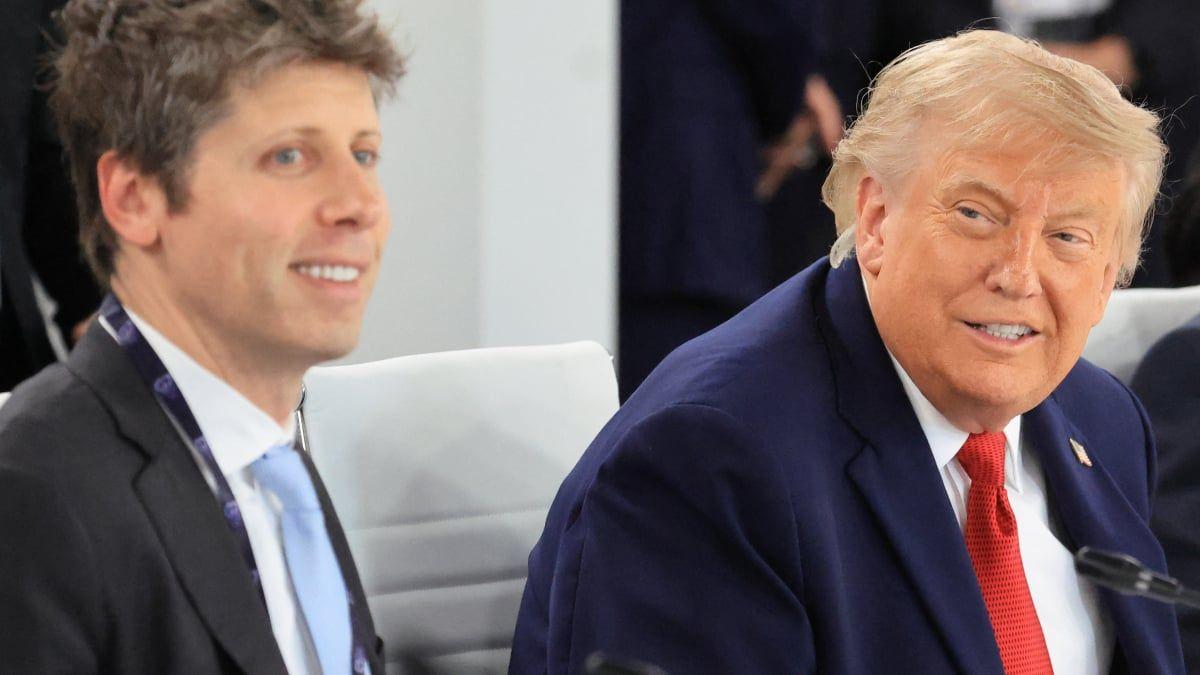
. Altman has held active talks with Trump administration officials including Treasury Secretary Scott Bessent and Lutnick, as well as Senator Bernie Sanders1
5
.
Source: Mashable
Growing Anti-AI Sentiment Drives Industry Response
AI companies are confronting what industry observers describe as an "AI hate wave," with recent polls showing 70% of Americans oppose AI data centers in their communities and half express more concern than excitement about AI technology
1
. Voters across party lines want tighter AI regulation, creating political pressure that could impact elections1
. OpenAI first proposed creating an AI wealth fund in spring, stating that an "AI-led future" would likely require "new approaches that give people durable stakes in the systems creating value"1
5
.Bernie Sanders Demands Larger Share for Economic Equity
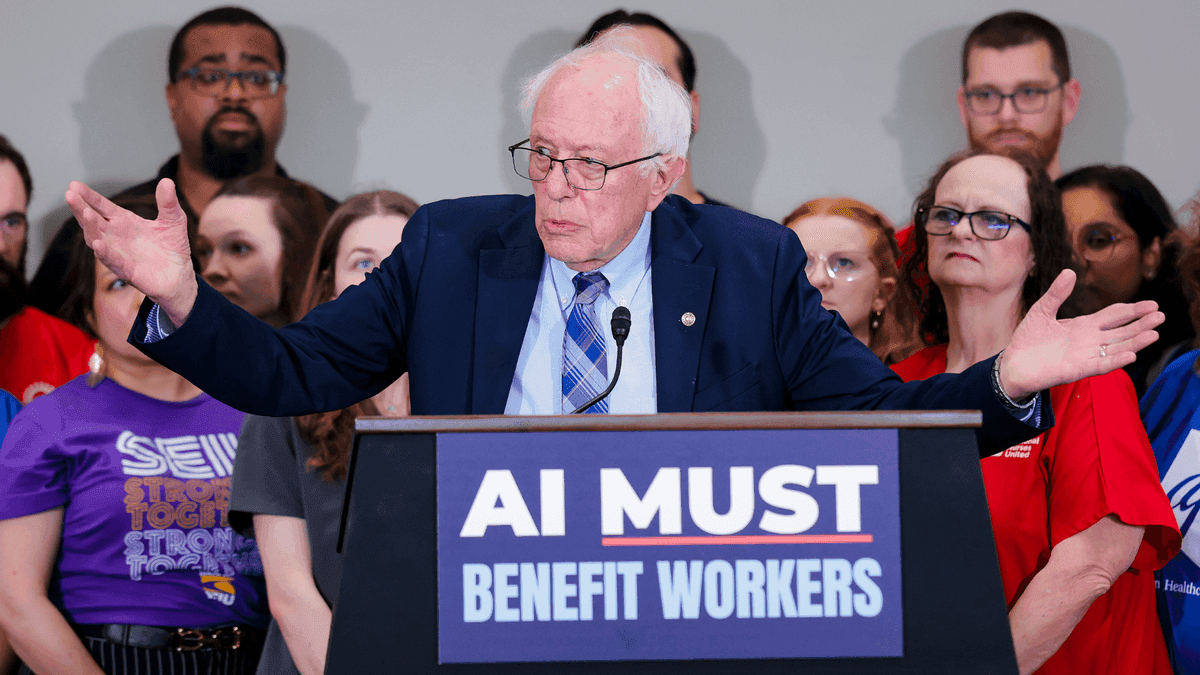
Bernie Sanders has pushed back forcefully against Altman's 5% figure, proposing legislation that would require leading AI firms to pay a one-time 50% tax on their stock to create a $7 trillion sovereign wealth fund
1
4
. Sanders told the Associated Press that "the public has got to have a significant seat at the table to make sure that terrible things do not happen to ordinary people"1
. His American AI Sovereign Wealth Fund Act would provide enough to pay every American a $1,000 annual dividend4
. Sources familiar with discussions between Sanders and Altman indicate they remain "far apart" on appropriate public ownership levels1
.
Source: TechSpot
Related Stories

IPO Plans and Investor Confidence Considerations
Both OpenAI and Anthropic have confidentially filed for initial public offerings, making the timing of a US government stake particularly significant
4
. A government shareholding negotiated before listing would establish Washington's position ahead of the ownership expansion that accompanies a public float . Forrester principal analyst Indranil Bandyopadhyay noted that a government stake "materially changes the investor calculus" of an IPO, with some institutional investors viewing it as a de-risking signal while others might price it as a governance concern2
. Critics suggest the move could artificially inflate AI company valuations or put taxpayers on the hook if the AI boom turns into a bust2
.National Security Concerns Shape AI Industry Oversight
Citing national security concerns, President Trump recently ordered a new government review process for frontier AI models before release
2
. The Pentagon designated Anthropic a supply chain risk earlier this year, and the administration unexpectedly applied export controls to Anthropic's latest models last month, forcing the company to pull them from the market3
. These interventions have sparked uncertainty about the future prospects of US AI on the world stage3
. The increasingly hands-on approach from Washington signals that AI companies face a challenging regulatory environment regardless of whether equity-sharing arrangements materialize. Any deal would likely require an act of Congress to implement the mechanisms allowing the US to take stakes in AI companies1
5
.References
Summarized by

Navi
[1]
Related Stories
Sanders proposes 50% public ownership of AI firms as Trump backs government stake in US AI giants
19 Jun 2026•Policy and Regulation
Trump Administration Eyes Equity Stake in OpenAI as Public Wealth Fund Takes Shape
05 Jun 2026•Policy and Regulation
Bernie Sanders proposes 50% public ownership in AI giants as Trump backs wealth-sharing plans
02 Jun 2026•Policy and Regulation
Recent Highlights



Recent Highlights
Today's Top Stories






Don’t drown in AI news. We cut through the noise - filtering, ranking and summarizing the most important AI news, breakthroughs and research daily. Follow topics that matter to you and stay ahead.


