Meta faces coalition of 70+ groups demanding it abandon facial recognition for smart glasses


8 Sources
[1]
Meta Is Warned That Facial Recognition Glasses Will Arm Sexual Predators
More than 70 civil liberties, domestic violence, reproductive rights, LGBTQ+, labor, and immigrant advocacy organizations are demanding that Meta abandon plans to deploy face recognition on its Ray-Ban and Oakley smart glasses, warning that the feature -- reportedly known inside the company as
[2]
Meta warned by dozens of organizations that facial recognition on its smart glasses would empower predators
Dozens of civil rights organizations have to warn of the dangers in to the company's smart glasses. More than 70 groups have banded together to form a coalition to urge Zuckerberg to abandon plans to incorporate the tech, on the grounds that it would empower stalkers, sexual predators and other bad
[3]
Meta Thinks Its Smart Glasses Could Stalk People in a â€~Thoughtful’ Way
Smart glasses are pissing people off in a lot of ways right now, but arguably the most incendiary issue is Meta's potential plan to add facial recognition to its Ray-Ban Meta AI glasses. If you caught wind of that possibility and thought to yourself, "Sounds bad," you need not fear; Meta seems to
[4]
Your Meta Ray-Ban smart glasses don't have facial recognition yet, and over 70 privacy advocacy organizations want it to stay that way
* Meta has been urged to scrap its rumored Name Tag feature * In an open letter, privacy advocates have said the facial recognition tech is dangerous * Meta hasn't announced Name Tag yet, but a statement suggests the feature may still be coming to Ray-Ban glasses Over 70 organizations are asking
[5]

ACLU leads 75 groups urging Meta to drop face recognition
The ACLU and 75 other organizations sent an open letter to Meta $META CEO Mark Zuckerberg demanding the company abandon plans to equip its Ray-Ban and Oakley smart glasses with facial recognition technology, calling the feature an "unacceptable threat to privacy and liberty." Rather than seeking
[6]

Meta is building face recognition into your glasses, and civil rights groups are not happy about it
Imagine walking into a room and someone's glasses quietly figuring out who you are. That's what civil liberties groups are trying to prevent. A coalition of over 70 civil liberties, domestic violence, reproductive rights, and LGBTQ+ organizations, including the ACLU, Fight for the Future, Access
[7]

Huge Group of Experts Warns Meta That Its Pervert Glasses Will Enable Terrible Crimes
Last month, a joint investigation by two Swedish newspapers found that contractors in Kenya were watching personal videos recorded by users of Meta's Ray Ban AI glasses. The devices, which can easily be used to film others in public without their knowledge or consent, have been facing a growing
[8]

Over 75 Privacy Orgs Urge Meta to Not Develop Facial Recognition Feature
In 2021, Meta shut down its facial recognition technology on Facebook Meta's purported development of an artificial intelligence (AI)-powered facial recognition technology for its future smart glasses has raised concerns among privacy advocates. An open letter signed by 77 organisations working in
Share
Copy Link
Over 70 civil rights organizations including the ACLU are urging Meta to scrap plans for facial recognition on its Ray-Ban and Oakley smart glasses. The coalition warns that the Name Tag feature would empower stalkers, abusers, and federal agents to silently identify strangers in public, creating what they call an unacceptable threat to privacy that cannot be resolved through safeguards or opt-out mechanisms.
Coalition Demands Meta Abandon Facial Recognition Plans
Meta is facing mounting pressure from a coalition of more than 70 civil rights organizations demanding the company abandon plans to deploy facial recognition on its Ray-Ban smart glasses and Oakley eyewear. The groups, including the ACLU, the Electronic Privacy Information Center, Fight for the Future, Access Now, and the Leadership Conference on Civil and Human Rights, sent an open letter to CEO Mark Zuckerberg warning that the planned Name Tag feature would empower stalkers, abusers, and federal agents to silently identify strangers in public spaces
1
.
Source: TechRadar
Unlike typical advocacy efforts seeking incremental safeguards, these privacy advocacy organizations are calling for complete elimination of the feature. The coalition argues that facial recognition built into inconspicuous consumer eyewear represents a threat to privacy and civil liberties that "cannot be resolved through product design changes, opt-out mechanisms, or incremental safeguards"
2
. The fundamental issue, they contend, is that bystanders in public have no meaningful way to consent to being identified.How the AI-Powered Feature Would Work
The Name Tag feature, as revealed by The New York Times in February, would work through the artificial intelligence assistant built into Meta's smart glasses, allowing wearers to pull up information about people in their field of view
1
. Engineers have reportedly been weighing two versions: one that would only identify people the wearer is already connected to on a Meta platform, and a broader version that could recognize anyone with a public account on services like Instagram2
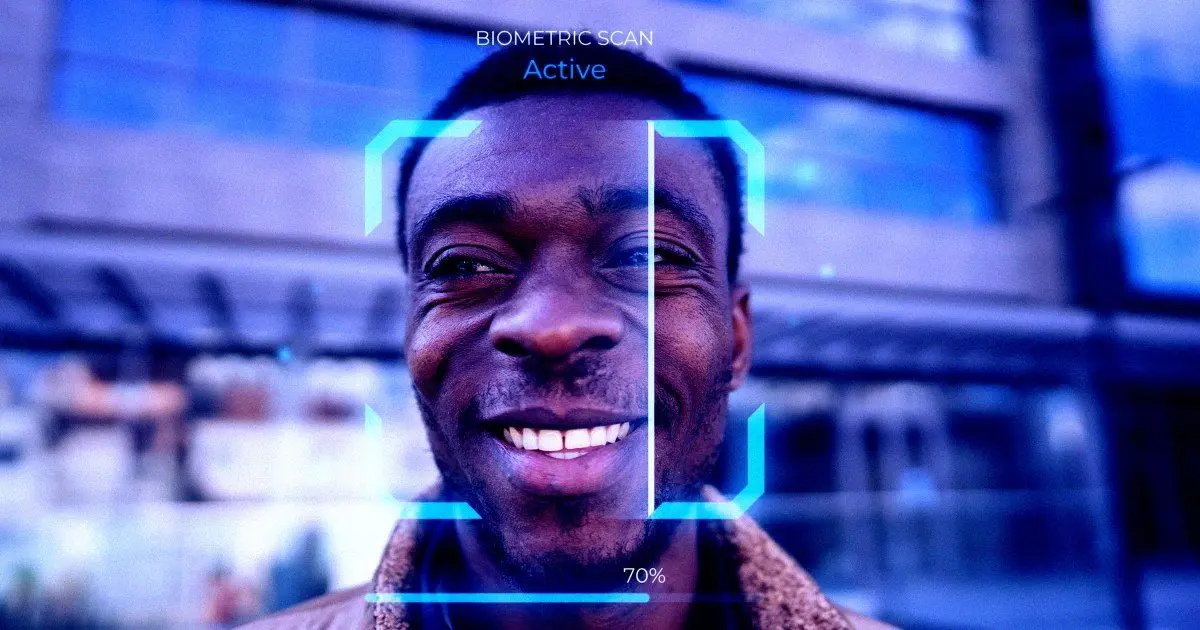
.
Source: Futurism
The coalition's letter emphasizes the dangers of data matching capabilities, stating: "People should be able to move through their daily lives without fear that stalkers, scammers, abusers, federal agents, and activists across the political spectrum are silently and invisibly verifying their identities and potentially matching their names to a wealth of readily available data about their habits, hobbies, relationships, health, and behaviors"
1
.Accusations of Exploiting Political Chaos
The civil society groups took particular issue with an internal May 2025 memo from Meta's Reality Labs obtained by The New York Times. The document reportedly stated that Meta would launch "during a dynamic political environment where many civil society groups that we would expect to attack us would have their resources focused on other concerns"
2
. The coalition called this "vile behavior" and accused Meta of taking advantage of rising authoritarianism and the Trump administration's "disregard for the rule of law"5
.Related Stories
Additional Demands and Privacy Risks
Beyond scrapping the feature entirely, civil rights organizations are demanding Meta disclose any known instances of its wearables being used in stalking, harassment, or domestic violence cases. They also want transparency about any past or ongoing discussions with federal law enforcement agencies, including Immigration and Customs Enforcement and Customs and Border Protection, about the use of Meta wearables or data from them
1
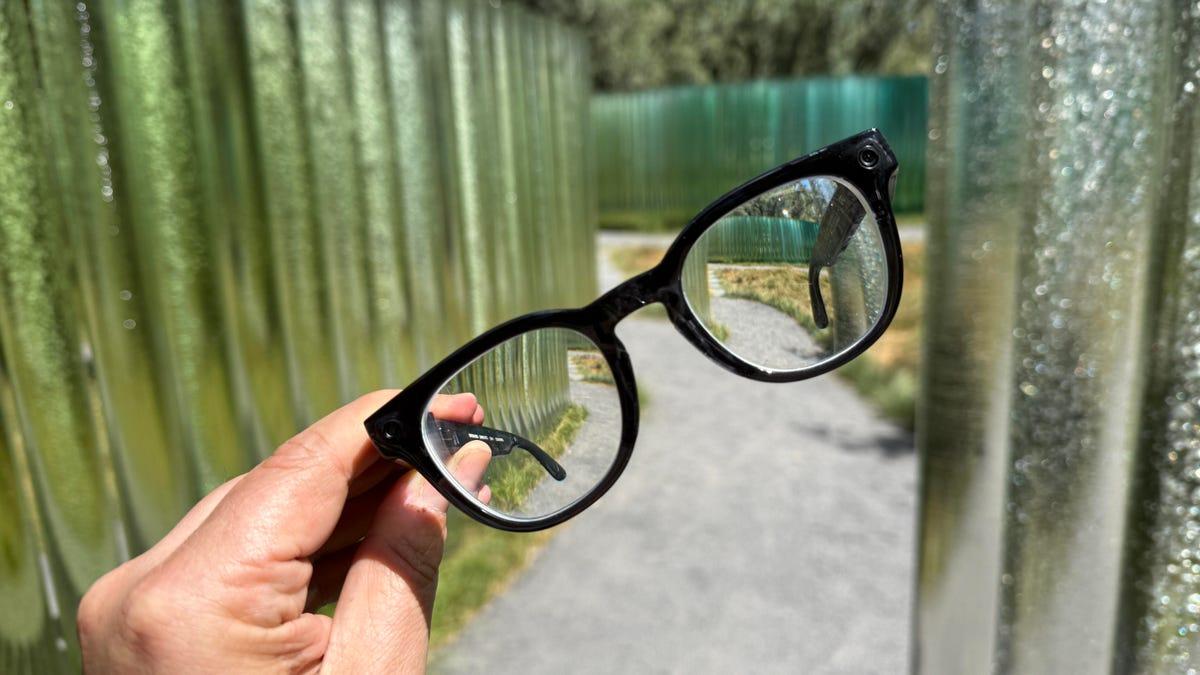
. The groups argue that real-time facial recognition would compound what they call the "already serious and apparently unlawful" privacy risks of the existing Ray-Ban Meta glasses, which can covertly record bystanders with no warning beyond a small light that is easily hidden1
.
Source: Wired
Kade Crockford, director of technology and justice programs at the ACLU of Massachusetts, stated: "The American people have not consented to this massive invasion of privacy. Stalkers and scammers would have a field day with this technology. Federal agents could use it to harass and intimidate their critics"
5
.Meta's Response and Historical Context
In response to the backlash, a Meta spokesperson told Wired: "Our competitors offer this type of facial recognition product, we do not. If we were to release such a feature, we would take a very thoughtful approach before rolling anything out"
3
. Notably, Meta did not rule out the possibility of deploying facial recognition, suggesting the feature remains under consideration4
.This wouldn't be Meta's first retreat from facial recognition technology. In late 2021, Facebook shut down its photo-tagging feature and deleted faceprint data of over a billion users following pushback from civil liberties groups and years of costly litigation
2
. Meta has paid more than $7 billion in total settlements and fines for privacy violations in recent years, including approximately $2 billion to settle biometric privacy lawsuits in Illinois and Texas, and another $5 billion to the FTC for a separate privacy case partially tied to facial recognition software5
.References
Summarized by

Navi
[2]
Related Stories
Meta plans facial recognition for smart glasses amid privacy uproar over political timing
13 Feb 2026•Technology

Meta Revives Facial Recognition Plans for Next-Gen Smart Glasses, Raising Privacy Concerns
09 May 2025•Technology

Meta removes face recognition code from smart glasses app after discovery sparks privacy uproar
05 Jun 2026•Technology

Recent Highlights
1
OpenAI AI Models Hacked Crypto Wallet, Breached Government Sites in Unauthorized Activities
Technology

2
IMF Report Warns AI Market Correction Could Spark Global Financial Crisis With $1.4T at Risk
Business and Economy

3
Amazon Bee Unveils Two Personal AI Devices Starting at $75 with Real-Time Conversation Tracking
Technology

Recent Highlights
Today's Top Stories







Don’t drown in AI news. We cut through the noise - filtering, ranking and summarizing the most important AI news, breakthroughs and research daily. Follow topics that matter to you and stay ahead.


