AI Race Raises Stakes for China Taiwan Conflict Over TSMC Control, Palantir's Defense Chief Warns


3 Sources
[1]
Palantir's defence chief says the AI race raises the risk to Taiwan
Mike Gallagher warns Xi Jinping may move on Taiwan, home to TSMC, before the US pulls far ahead in AI. Palantir defence chief Mike Gallagher said the AI race makes it more tempting for Xi Jinping to seize Taiwan, home to TSMC, before China falls behind for good. He warned that Beijing could then
[2]
Palantir's defense chief sees China threat to Taiwan over AI
Palantir Technologies' head of defense Mike Gallagher is warning that advances in artificial intelligence capabilities have made it more compelling for Chinese leader Xi Jinping to seize control of Taiwan, a chipmaking hub that has helped fuel the global AI boom. Gallagher, a former Republican
[3]
Palantir defense chief says AI advances may force China to invade Taiwan By Investing.com
Investing.com -- Palantir Technologies Inc.'s head of defense Mike Gallagher said Wednesday that artificial intelligence developments have increased the likelihood that Chinese leader Xi Jinping will attempt to seize control of Taiwan. Gallagher, a former Republican congressman who previously led
Share
Copy Link
Mike Gallagher, Palantir's head of defense, warns that rapid AI advances make it more tempting for Xi Jinping to seize Taiwan and its critical chipmaker TSMC before China falls irreversibly behind in the AI race. If Beijing controls or disables TSMC, it could hold the world economy hostage by controlling the global AI supply chain.
AI Race Creates New Urgency for Taiwan Seizure
Mike Gallagher, Palantir's head of defense, issued a stark warning that the accelerating AI race is making it increasingly compelling for Chinese leader Xi Jinping to seize control of Taiwan before the United States establishes an insurmountable lead in artificial intelligence capabilities
1
2
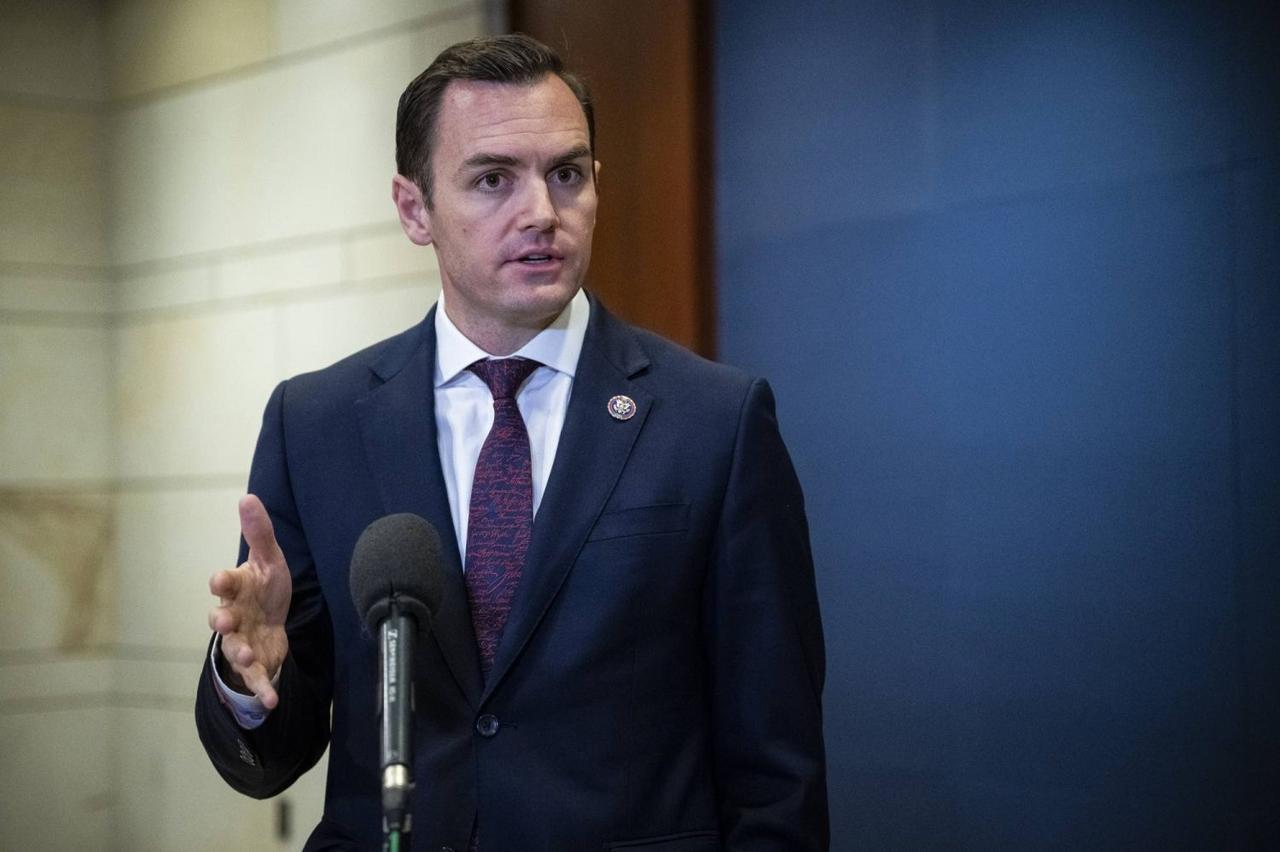
. Speaking at a defence policy event in Indiana on Wednesday alongside Republican Senator Jim Banks, Gallagher argued that Taiwan's role as home to TSMC—the world's leading AI chip manufacturer—has transformed the island into a critical chokepoint in the global AI supply chain3
.
Source: Japan Times
"The logic of Xi Jinping sacrificing enormously to take Taiwan is getting more compelling," Gallagher stated. "If we run away with AI, now is his moment to stop us from doing that, because he may not be able to catch up later on"
1
. The former Republican congressman, who previously led a House committee focused on US strategic competition with China Taiwan before joining Palantir in 2024, emphasized that AI advances have fundamentally altered the geopolitical implications surrounding the island2
.TSMC as Single Point of Failure in Global AI Infrastructure
Gallagher's concerns center on Taiwan Semiconductor Manufacturing Co., which Nvidia has called the epicenter of AI development
1
. In a Wall Street Journal opinion piece last month, Palantir's defense chief labeled Taiwan the "single point of failure" for AI and urged Washington to arm the island heavily1
. His analysis suggests that control over TSMC would give Beijing unprecedented leverage over the world economy and the technological competition between superpowers."If China takes Taiwan, they will control TSMC or disable TSMC—they will have the ability to hold the rest of the world economically hostage," Gallagher warned
3
. This scenario would allow Beijing to either monopolize advanced chip production or deny access to competitors, effectively controlling the global AI supply chain and determining which nations can develop cutting-edge artificial intelligence systems1
.Current Military and Diplomatic Landscape
China has long claimed Taiwan as its territory and has not ruled out the use of military force to achieve unification. During his White House summit with President Donald Trump in September, Xi Jinping specifically urged Washington to oppose Taiwanese independence
1
. However, Trump's decision in May to put a $14 billion arms package for Taiwan on hold, calling it a negotiating chip, has raised questions about US commitment to the island's defense1
.Despite Gallagher's warnings about the risk to Taiwan, US intelligence assessments have offered a more measured view. A March intelligence evaluation concluded that a Chinese invasion of Taiwan "would be extremely challenging and carry a high risk of failure"
1
3
. This marked a shift from earlier warnings by some US officials that China was seeking invasion capability by 2027. Nevertheless, China has stepped up coast guard patrols off Taiwan's east coast, adding to regular military drills conducted by Chinese forces in the region1
3
.Related Stories
Palantir's Role in AI-Powered Defense Systems
Gallagher's perspective carries particular weight given Palantir's position as a key Pentagon supplier. The company's Maven Smart System uses artificial intelligence for surveillance and targeting, with US forces having deployed Maven in operations against Iran
3
. NATO also utilizes Palantir's AI-powered defense systems1
. This firsthand experience with military AI applications informs Gallagher's assessment of how AI advances are reshaping strategic calculations.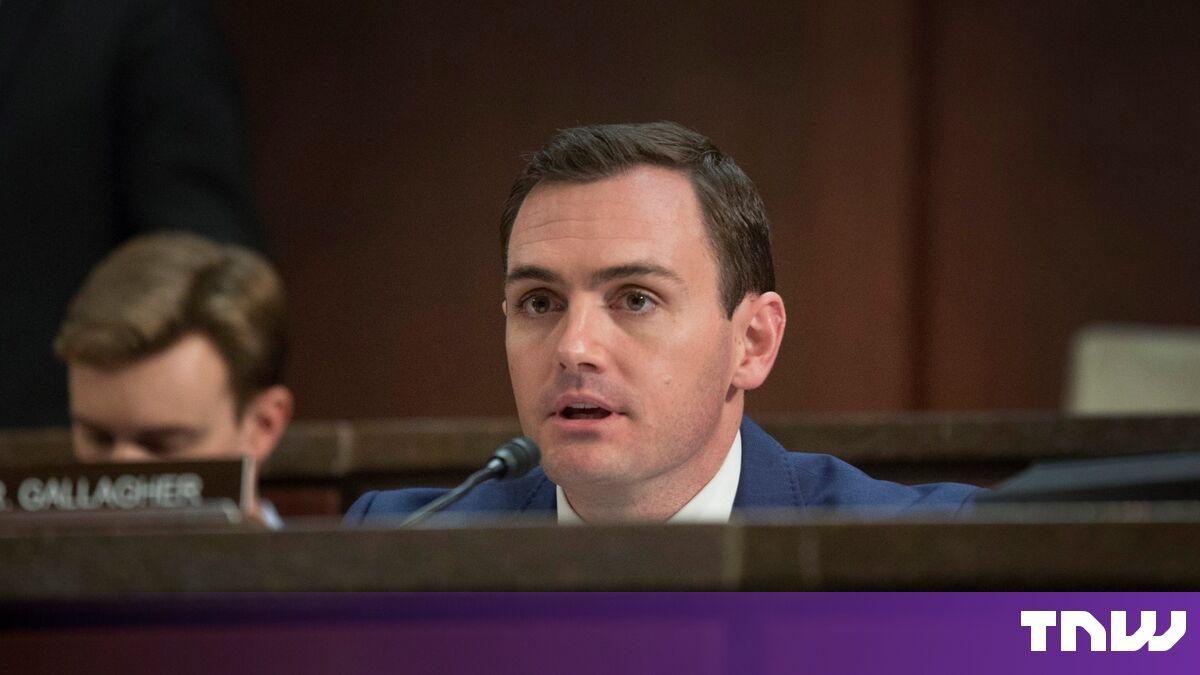
Source: The Next Web
Gallagher also pointed to discussions in Silicon Valley about AI systems that can improve themselves autonomously. He compared this potential development to the advent of nuclear weapons in the 1940s. "If that is true, that we're at an inflection point, and this technology is a game changer on par with the advent of nuclear weapons in the 1940s," he said, suggesting that self-improving AI could fundamentally alter the balance of power
1
3
. This comparison underscores the perceived existential nature of the China threat to Taiwan over AI and the urgency with which some defense experts view the technological competition between Washington and Beijing.References
Summarized by

Navi
[2]
Related Stories
Trump reverses course on AI regulation, considers mandatory government vetting of frontier models
06 May 2026•Policy and Regulation
Taiwan's Crucial Role in the $1.3 Trillion AI Future
31 Oct 2024•Technology

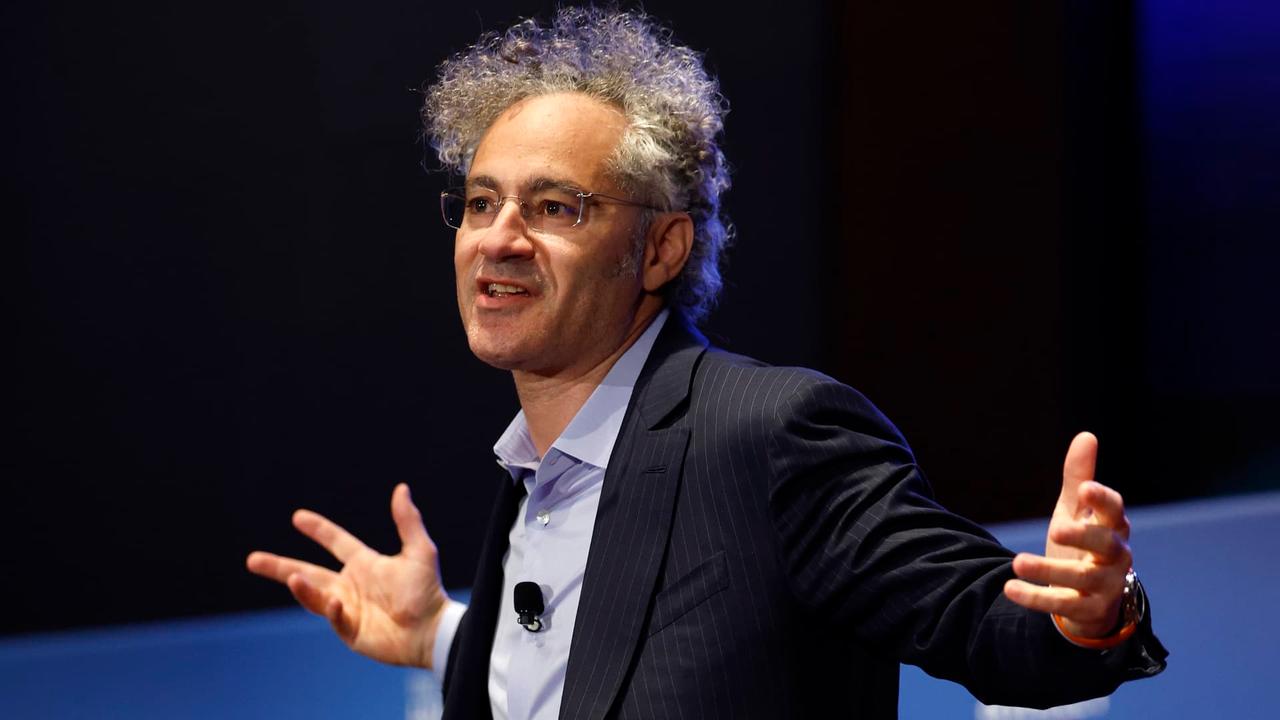
Palantir CEO Alex Karp Warns of AI Dangers and US-China Race for Dominance
06 Jun 2025•Technology
Recent Highlights
1
OpenAI's AI Models Disprove 27-Year Exponential Time Hypothesis, Rendering Decades of Research Obsolete
Science and Research
2
Google DeepMind unveils Genie 4 world model with audio and 2-minute interactive simulations
Technology

3
Microsoft AI Diagnostic Tool Beats Doctors With 83% Accuracy on Complex Medical Cases
Health

Recent Highlights
Today's Top Stories








Don’t drown in AI news. We cut through the noise - filtering, ranking and summarizing the most important AI news, breakthroughs and research daily. Follow topics that matter to you and stay ahead.


