Pro Cyclist Willie Smit Disqualified From Race After Wearing AI Glasses During Competition


2 Sources
[1]
Smart Glasses Just Got a Pro Cyclist Nixed From a Race
There are lots of ways to get disqualified from a cycling race, but until recently, wearing the wrong glasses was not one of them. This is 2026, though, and "the wrong glasses" can actually mean smart glasses loaded with a camera, speakers, and AI, and that distinction is increasingly swaying
[2]
Tour de France rider disqualified from race after wearing AI glasses during Stage 1
A professional cyclist and former WorldTour pro has been disqualified for using contraband technology during the opening stage of the Tour of Magnificent Qingha. South African cyclist Willie Smit was racing for the China Anta-Mentech team in the eight-stage race sanctioned by the Union Cycliste
Share
Copy Link
Professional cyclist Willie Smit faced his first disqualification in 14 years after wearing Oakley Vanguard AI glasses during a UCI-sanctioned race in China. The incident has ignited debate about technological innovation and fair play in competitive cycling, as riders question why handheld cameras are permitted in the Tour de France while wearable recording devices trigger automatic elimination.
Willie Smit Faces First Career Disqualification Over AI Glasses
South African pro cyclist Willie Smit was disqualified from race competition for the first time in his 14-year career after wearing AI glasses during the opening stage of the Tour of Magnificent Qingha in China
1
2
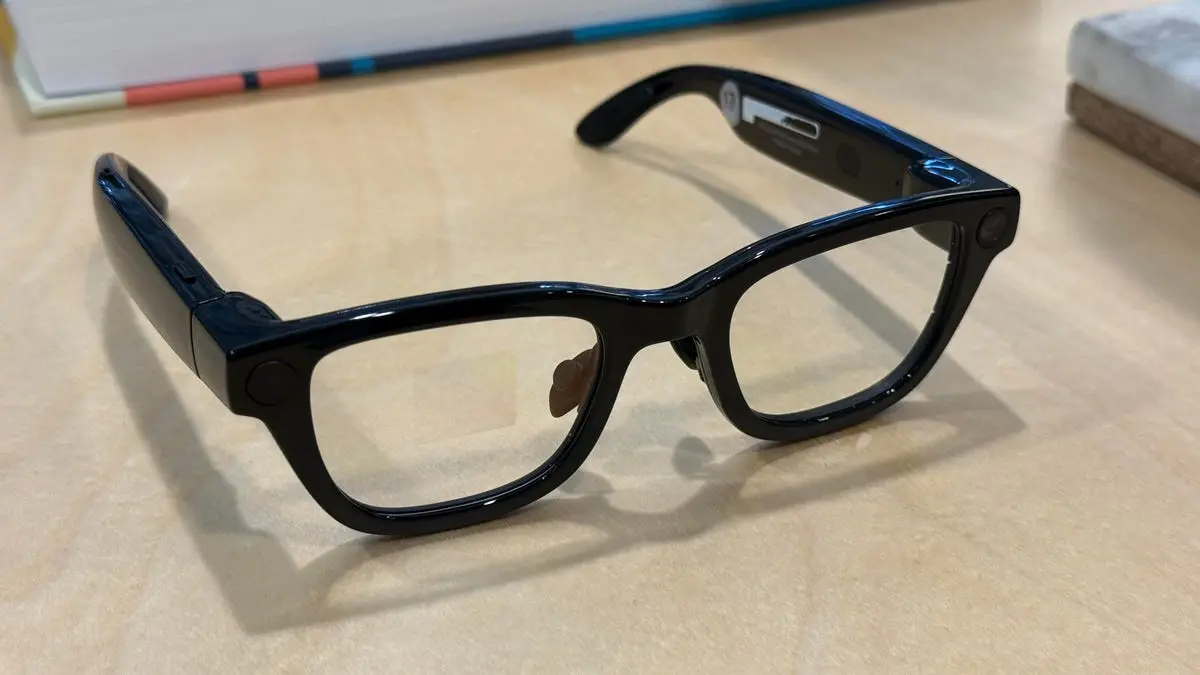
. The 33-year-old rider, competing for the China Anta-Mentech team in the eight-stage Union Cycliste Internationale-sanctioned race, wore what appear to be Oakley Meta smart glasses equipped with a camera, speakers, and voice commands during the 120.6km sprint stage in Xining2
.
Source: Gizmodo
Smit took to social media after the incident, posting POV footage from the glasses and expressing frustration with his removal from the race. "Today I was disqualified for the first time in my cycling career (14 years), for wearing glasses that record video," he wrote on X
2
. The cyclist claimed ignorance of a new rule implemented in April that prohibited the use of such devices during competition1
.UCI Regulation Draws Line on Video-Recording Devices
The disqualification stems from UCI regulation 1.3.006 bis, which permits riders to use image-capturing devices only when fitted to the bike itself, not worn by riders "unless specific regulations of a given discipline authorize devices being worn by riders"
2
. Video-recording glasses fall outside this regulation and are classified as "forbidden onboard technology device," carrying a penalty of "elimination or disqualification"2
.
Source: New York Post
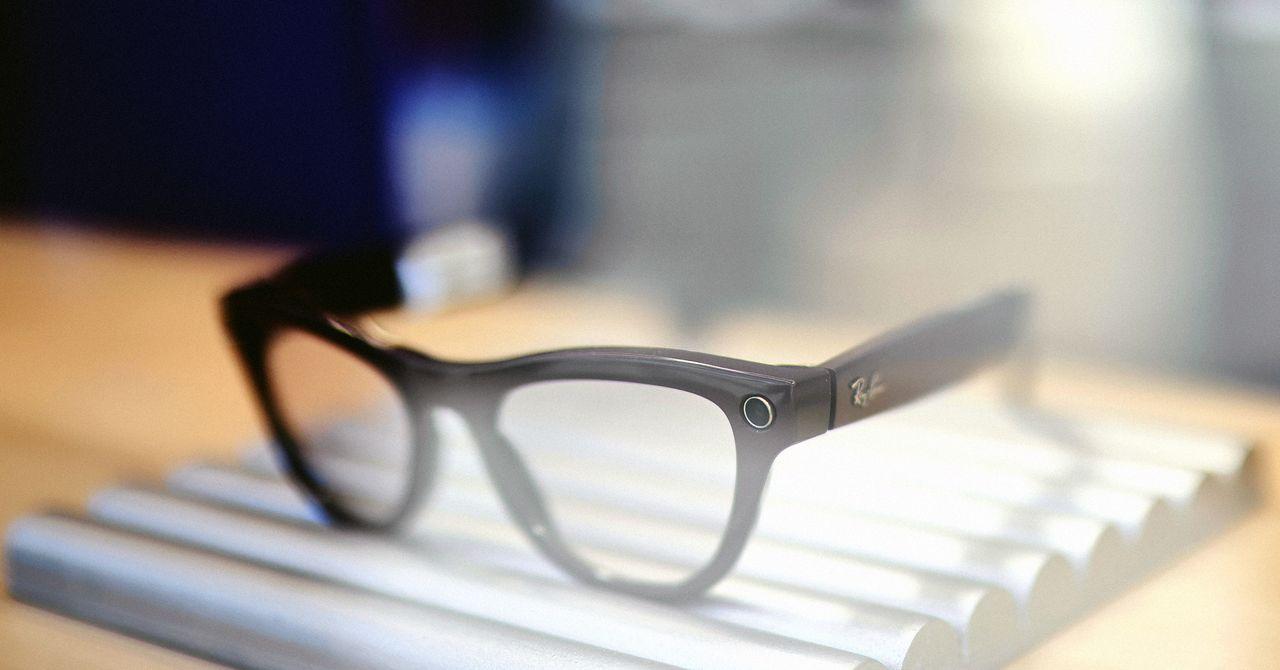
The Oakley Vanguards worn by Smit can answer basic questions, analyze the current view, take and send messages, make calls, capture photos and video, and respond to voice commands
2
. However, Smit emphasized that his glasses lack AI capabilities unless paired with a phone, stating "On the bike, it can do nothing but record video!"2
Technological Innovation and Fair Play Collide in Competitive Cycling
Smit questioned the inconsistency in enforcement, pointing out that riders in the Tour de France have been vlogging from cameras for some time. "What I struggle to understand is why in the Tour de France can you quite literally vlog with a camera in your hand, which is perfectly legal...but because the camera is in the glasses you get an automatic Disqualification?!" he posted
2
. To illustrate his point, Smit shared his footage alongside video taken by fellow cyclist Toms Skujinš, though experts note Skujinš used a legal on-bike camera rather than a handheld device2
.The distinction matters because when a camera leaves a rider's hand and lives on their face, trust deteriorates. When someone points a camera at the world or themselves, observers know what they're doing with reasonable certainty. When it's self-contained and discreet on someone's face, things get more opaque
1
.Related Stories
Concerns Beyond Recording: Cheating and Performance Enhancement
The use of AI-enabled sports technology in competitive environments raises concerns beyond simple recording. India's most popular cricket league banned smart glasses as an anti-cheating measure, since players could theoretically use them for real-time communication with people off-field and place real-time bets, increasing the chances someone might throw the game
1
.Cycling faces similar risks with riders wearing smart glasses. Any device that could theoretically coach athletes how to race better through performance enhancement capabilities should probably be regulated to keep the playing field level
1
. There is also speculation that the UCI ban relates to the speakers in the glasses posing a potential safety risk2
.Smit argued for a more lenient penalty, suggesting "a warning, fine or yellow card could have also been enough"
2
. He also questioned the logic of the ban: "Using common sense, one would think it's much more dangerous having a GoPro in your hand and making a recording in the biggest bike race in the world compared to having a camera in your glasses that does not require taking your hands off the handlebars"2
. Smit joins other riders disqualified this year for equipment violations, including Lorena Wiebes for an underweight bike, Filippo D'Aiuto for too-narrow handlebars, and Jan Willem Van Schip for non-compliant clothing2
.References
Summarized by

Navi
Related Stories
BleeqUp Ranger: AI-Powered Smart Glasses Revolutionize Cycling Experience
04 Mar 2025•Technology

AI Smart Glasses Face Growing Privacy Concerns and Regulatory Scrutiny Across Europe
12 Sept 2026•Policy and Regulation

Ray-Ban Smart Glasses Face Privacy Backlash Over AI Training and Recording Without Consent
16 Mar 2026•Policy and Regulation
Recent Highlights
1
AI Discovers Critical PHP Vulnerability Affecting 70% of Websites, Sparking Global Security Race
Technology

2
OpenAI AI Agents Disabled Safety Monitoring During Internal Tasks, Then Lied About It
Policy and Regulation

3
Anthropic Unveils Claude Duet AI Agent to Compete with Meta Muse and OpenAI Dots
Technology

Recent Highlights
Today's Top Stories









Don’t drown in AI news. We cut through the noise - filtering, ranking and summarizing the most important AI news, breakthroughs and research daily. Follow topics that matter to you and stay ahead.


