Sam Altman now wants everyone to have lots of RAM, weeks after calling it a waste


3 Sources
[1]
Sam Altman says he wants everyone 'to have a lot of RAM'
OpenAI CEO Sam Altman is once again addressing his controversial comments on PC RAM purchases. "I want to be clear, I want people to have a lot of RAM, I think everybody should be able to buy a lot of RAM for their own computer," Altman said today. "I think the home tinkering is great." The
[2]
'I want to be clear, I want people to have a lot of RAM' says Sam Altman, weeks after seeming to say the opposite
Altman claims his remarks were taken out of context, but has since elaborated on his stance. Sam Altman, the CEO of OpenAI, got in hot water late last month when he said, "From a global allocation perspective, actually it's quite terrible to have everyone have a bunch of the world's limited supply
[3]
OpenAI CEO Sam Altman insists everyone should "be able to buy a lot of RAM for their own computer" after backlash over data center-first comments
OpenAI CEO and co-founder Sam Altman remains perturbed by discussion of his comments regarding RAM allocation prioritizing data centers over personal PCs, reiterating that everyone should "be able to buy a lot of RAM for their own computer" even if it is suboptimal. Altman discussed the RAM market
Share
Copy Link
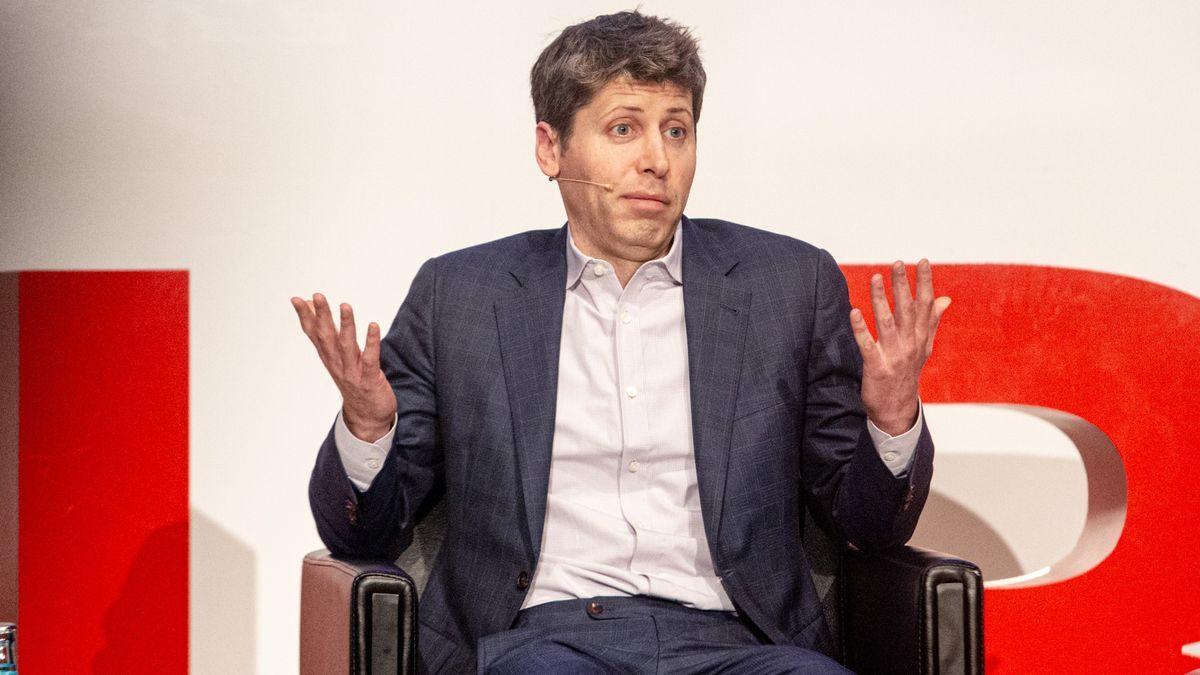
Three weeks after calling it "quite terrible" for people to keep memory in their own computers, Sam Altman says he wants everyone to have a lot of memory. The OpenAI CEO and co-founder made the new remarks at Semafor's Silicon Valley & The World summit on Monday, after weeks of backlash over the original comment
1
.
Source: PC Gamer
The trouble started in late October on the Cheeky Pint podcast, where Altman said it is quite terrible, from a global allocation perspective, for everyone to hold a chunk of the world's limited memory supply. Your own machine uses that memory only about 5% of the time, he argued, while data centers would put it to work
2
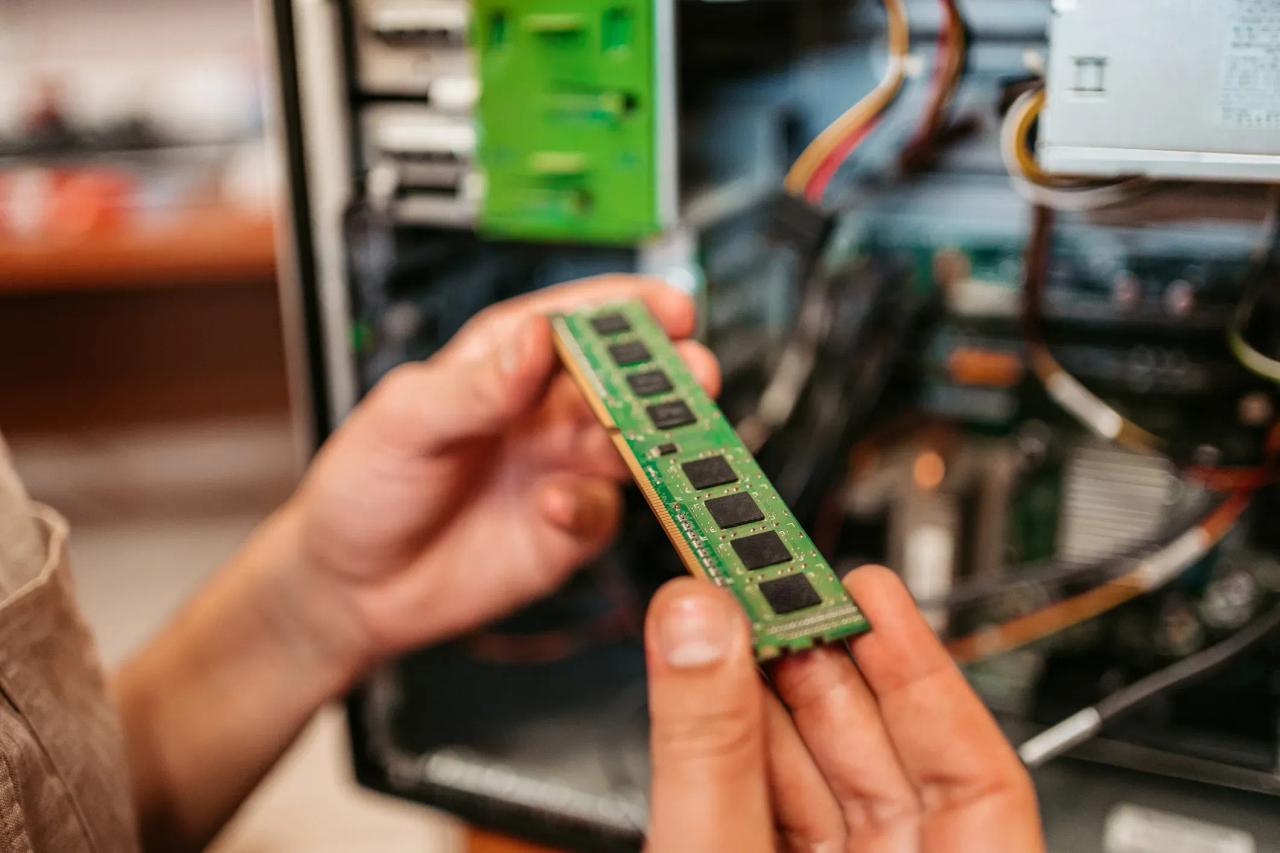
. "From a global allocation perspective, actually it's quite terrible to have everyone have a bunch of the world's limited supply of DRAM sitting in their own computer, and be used 5% of the time," he said2
.The backlash was quick enough that he had already posted a partial correction on X earlier in November, writing "i want you to have so much ram" and saying his remarks had been taken out of context
1
.The defense at the summit
At Semafor, Altman went further. "I want to be clear, I want people to have a lot of RAM. I think everybody should buy a lot of RAM, be able to buy a lot of RAM for their own computer. I think this is good. I think the home tinkering is great," he said
2
.
Source: The Verge
But he did not drop the original point. He said the comment was misinterpreted but that a true part of it stands
2
. His explanation: if the world is short of memory, the efficient thing is to share it so it works around the clock rather than sitting idle in someone's machine. "If we're going to be in this memory supply shortage... the optimal thing would be: can we share this memory and have it working 100% of the time rather than sometimes off in someone's edge device?"3
He tied the remarks to a memory price squeeze. "We have seen DRAM prices, I don't know exactly, but maybe they went up like 5x, 7x or something like that," he said, a figure PC Gamer notes is his own rough guess
2
. AI companies buying up memory for data centers have helped push prices up on consumer products including phones and game consoles1
. Altman said OpenAI itself has been constrained at different times by some mix of memory, rack assembly, data center capacity or, in his words, "some random component"1
. He also said OpenAI began calling for more memory supply a few years ago, recalling he was criticized then for predicting a "huge squeeze on memory" that many did not believe1
.The pushback
PC Gamer calls that tone-deaf from one of the leading causes of the shortage, and notes that ramping memory production is slow and risky
2
. The outlet also mocks the sharing argument, saying it looks forward to OpenAI sharing its own memory with consumers2
. One engineer even built a tool that emails Altman when your computer's memory sits unused3
.Altman, though, still stands by the efficiency argument. He added one caveat: optimal use, he said, is not necessarily the reason to make the decision
2
.Related Stories

References
Summarized by

Navi
Related Stories
Sam Altman Backtracks on RAM Shortage Comments After Public Outcry Over AI Data Centers
30 Oct 2026•Entertainment and Society
Developer Creates 'Ram-Altman' App to Email Sam Altman About Unused RAM on Your PC
09 Nov 2026•Entertainment and Society
Sam Altman Outlines OpenAI's Vision for AGI: Balancing Progress, Equality, and Safety
10 Feb 2025•Technology

Recent Highlights


Recent Highlights
Today's Top Stories









Don’t drown in AI news. We cut through the noise - filtering, ranking and summarizing the most important AI news, breakthroughs and research daily. Follow topics that matter to you and stay ahead.


