Samsung HBM4 nears Nvidia approval as rivalry with SK Hynix intensifies for Rubin AI platform


8 Sources
[1]
Samsung Nears Nvidia's Approval for Key HBM4 AI Memory Chips
Samsung trails SK Hynix and Micron Technology Inc. at the forefront of AI memory, but investor hopes are rising that Samsung may be able to join its rivals in supplying components for Nvidia's upcoming flagship Rubin processors. Samsung Electronics Co. is getting close to securing certification
[2]
HBM4 adoption shows a shift toward system-level AI performance priorities
Samsung regains its position with early HBM4 placement in Nvidia systems * Samsung HBM4 is already integrated into Nvidia's Rubin demonstration platforms * Production synchronization reduces scheduling risk for large AI accelerator deployments * Memory bandwidth is becoming a primary constraint
[3]
SK hynix makes 'significant' progress in NVIDIA's extensive HBM4 tests, close to mass supply
TL;DR: SK hynix has made significant progress in NVIDIA's HBM4 qualification tests, delivering optimized 10Gbps memory chips nearing mass production for Rubin AI GPUs. Despite a later start than Samsung, SK hynix maintains NVIDIA's trust and aims to secure a dominant market share in next-generation
[4]
Samsung HBM4 to debut alongside NVIDIA's Rubin AI platform at GTC 2026
Samsung Electronics' next-generation high-bandwidth memory HBM4 will debut alongside NVIDIA's AI accelerator Rubin at the GTC 2026 conference in March, following final quality tests passed with NVIDIA and AMD. An exclusive article from biz.sbs.co.kr states that Samsung has cleared the final
[5]
Samsung should be first with HBM4 powering NVIDIA's new Vera Rubin AI chips, passed all tests
TL;DR: Samsung will unveil its next-generation HBM4 memory at NVIDIA GTC 2026, featuring speeds up to 11Gbps, surpassing JEDEC standards. Integrated into NVIDIA's Vera Rubin AI platform, Samsung's advanced HBM4 offers high bandwidth and energy efficiency, accelerating AI development and
[6]

Nvidia Supply Deal In Crosshairs, Samsung Set To Start HBM4 Chip Production Next Month As Korean Giant Takes On SK Hynix: Report - Advanced Micro Devices (NASDAQ:AMD), NVIDIA (NASDAQ:NVDA)
Samsung Electronics Co. (OTC:SSNLF) is reportedly preparing to begin production of its next-generation high-bandwidth memory chips as it seeks to supply Nvidia Corp (NASDAQ:NVDA) and narrow the gap with SK Hynix. Samsung Pushes Into Next-Gen AI Memory Samsung plans to start manufacturing HBM4 as
[7]

Samsung Set to Be Among the First to Feature HBM4 in NVIDIA's Vera Rubin AI Lineup, Having Reportedly Passed All Verification Stages
Samsung's HBM4 modules are expected to be featured in NVIDIA's Vera Rubin AI lineup as soon as June, as the company sees a massive breakthrough with its memory business. With Industry's Fastest Pin Speeds, Samsung's HBM4 Modules Have Taken a Lead Over Counterparts HBM4 is known as a
[8]

Samsung to start HBM4 deliveries to Nvidia next month, reports show By Investing.com
Investing.com-- Samsung Electronics (KS:005930) is set to begin shipping its next-generation HBM4 high-bandwidth memory chips to Nvidia (NASDAQ:NVDA) in February, ahead of several rivals, South Korean media reported on Monday, citing industry sources. The Korea Economic Daily said Samsung has
Share
Copy Link
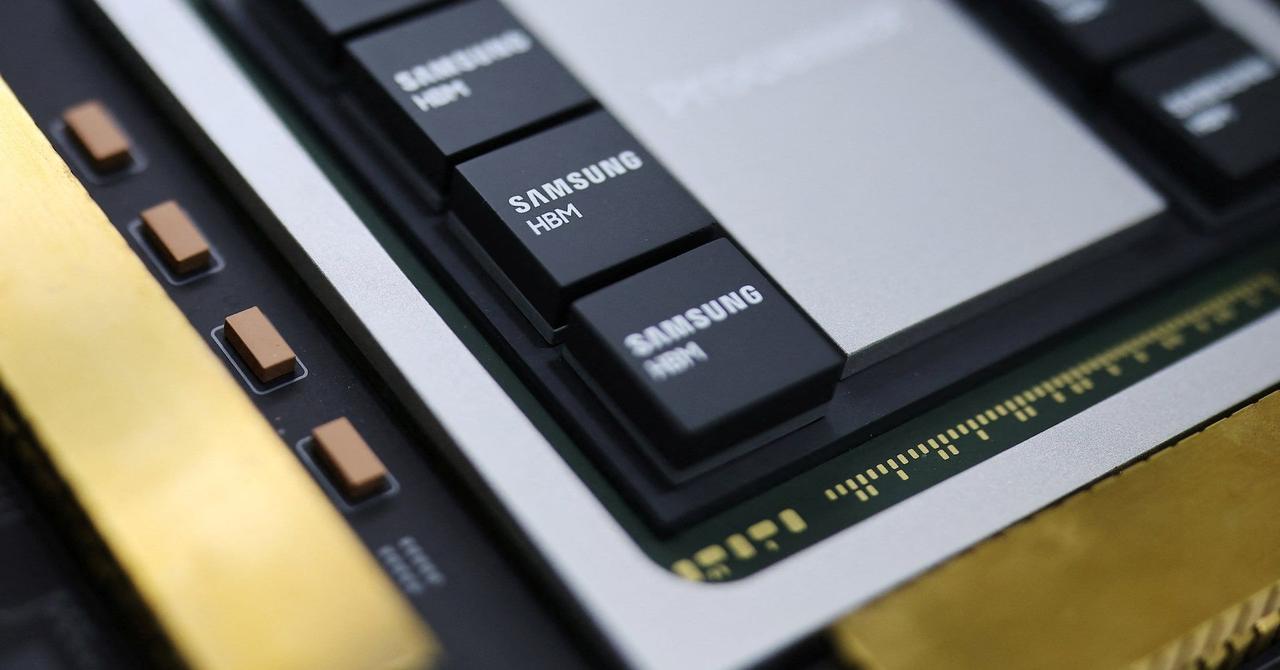
Samsung is close to securing Nvidia certification for its HBM4 AI memory chips, entering final qualification phases after supplying initial samples in September. The company prepares for mass production in February, aiming to debut alongside Nvidia's Rubin AI platform at GTC 2026. Meanwhile, SK Hynix reports significant progress in its own HBM4 tests, setting up an intense competition between South Korean rivals.
Samsung enters final HBM4 qualification phase with Nvidia
Samsung Electronics is nearing a critical milestone in its effort to reclaim leadership in AI memory, entering the final qualification phase with Nvidia for its HBM4 chips after supplying initial samples in September
1
. The Suwon, South Korea-based company is preparing for mass production in February 2026, with shipments expected to follow shortly after, though exact timing remains undisclosed1
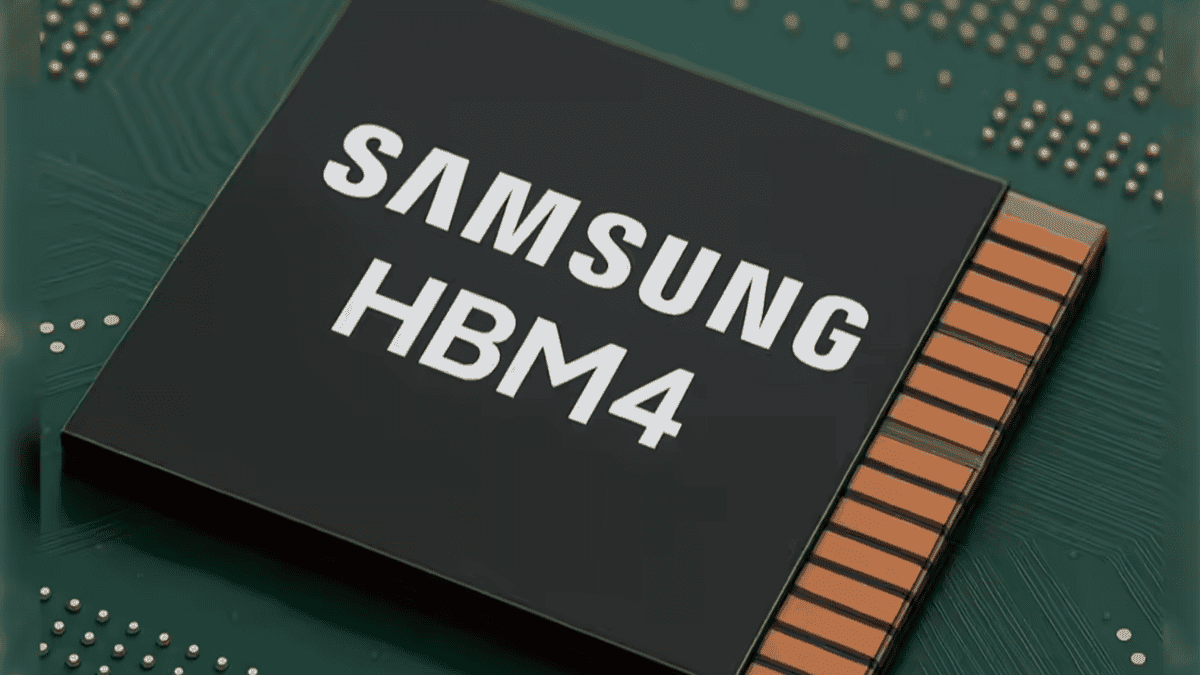
. Samsung's HBM4 operates at 11.7Gb/s, significantly exceeding Nvidia's stated requirements of 10Gb/s and surpassing the JEDEC standard of 8Gb/s4
5
. The high-bandwidth memory passed verification without requiring redesign, even after customers requested performance enhancements, demonstrating the technological completeness of Samsung's design4
.
Source: TechRadar
Samsung shares gained as much as 3.2% in Seoul following reports of the progress, while SK Hynix stock declined by approximately the same amount
1
. The company has reportedly cleared final quality evaluations for HBM4 from both Nvidia and AMD, positioning itself to supply components for Nvidia's upcoming flagship Rubin processors4
.HBM4 integration targets Rubin AI platform debut at GTC 2026
Samsung's HBM4 is already integrated into Nvidia's Rubin demonstration platforms, with units mass-produced in February set to reach Nvidia for performance demonstrations at the March GTC 2026 conference
4
2
. The collaboration emphasizes system-level AI performance rather than optimizing individual components in isolation, with Samsung and Nvidia coordinating memory supply with chip production to reduce timing uncertainty2
.The modules incorporate a logic base die produced using Samsung's 4nm process, giving the company greater control over manufacturing and delivery schedules compared to suppliers relying on external foundries
2
. Within Rubin-based servers, HBM4 is paired with high-speed SSD storage to handle large datasets and limit data movement bottlenecks, reflecting attention on memory bandwidth as a primary constraint for advanced AI accelerators2
. Full-scale supply of HBM4 in large volumes is projected for around June, with early customer shipments expected from August2
4
.SK Hynix makes significant progress in qualification tests
While Samsung advances toward certification, SK Hynix has also made significant progress in Nvidia's extensive HBM4 qualification tests for Rubin AI GPUs
3
. Industry sources report that SK Hynix achieved meaningful results in Nvidia's HBM4 System-in-Package testing earlier this month, after starting the Customer Sample certification process in October 20253
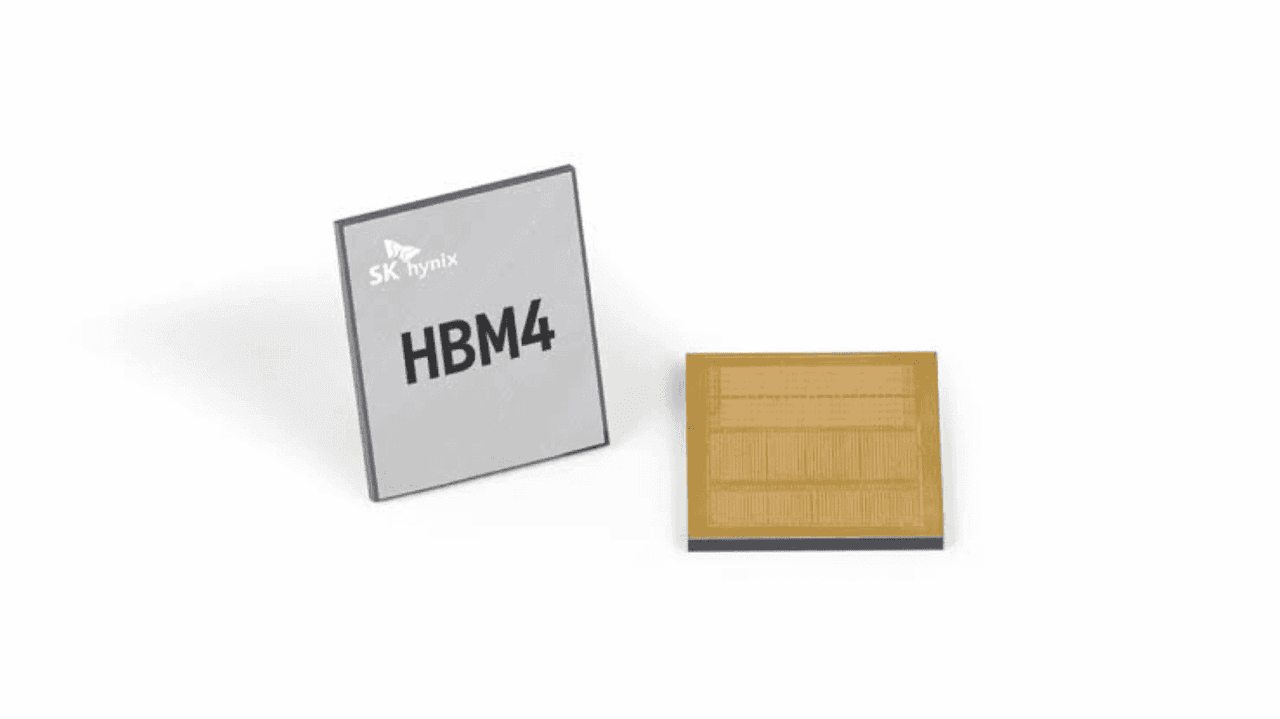
. When defects were found in some circuits, SK Hynix made modifications and delivered improved HBM4 memory chips to Nvidia, with these optimized products now very close to being ready for mass production3
.
Source: TweakTown
The new HBM4 memory chips from SK Hynix achieve 10Gbps under general environments and hit 9-10Gbps under Nvidia's rigorous test conditions for temperature, humidity, and impact
3
. An industry official stated that SK Hynix still enjoys Nvidia's trust, with Nvidia allocating a large volume of HBM4 supply to the company, noting that SK Hynix likely met requirements in various evaluation categories beyond just bandwidth3
. During its Q4 2025 earnings call, SK Hynix stated it aims for an overwhelming market share in HBM4, just as with previous HBM3 and HBM3E generations3
.Related Stories
Memory chip manufacturers compete amid AI infrastructure demand
Samsung trails SK Hynix and Micron Technology at the forefront of AI memory, but all three memory chip manufacturers have seen shares surge dramatically in recent weeks as the AI rush produces a shortage of memory for the broader electronics industry
1
. Between them, the three leading companies have gained roughly $900 billion in market value since the start of September1
. Nvidia has leaned most heavily on SK Hynix for the most sophisticated memory chips it pairs with its top-of-the-line AI accelerators, making Samsung's potential certification a notable shift in the supply chain1
.
Source: TweakTown
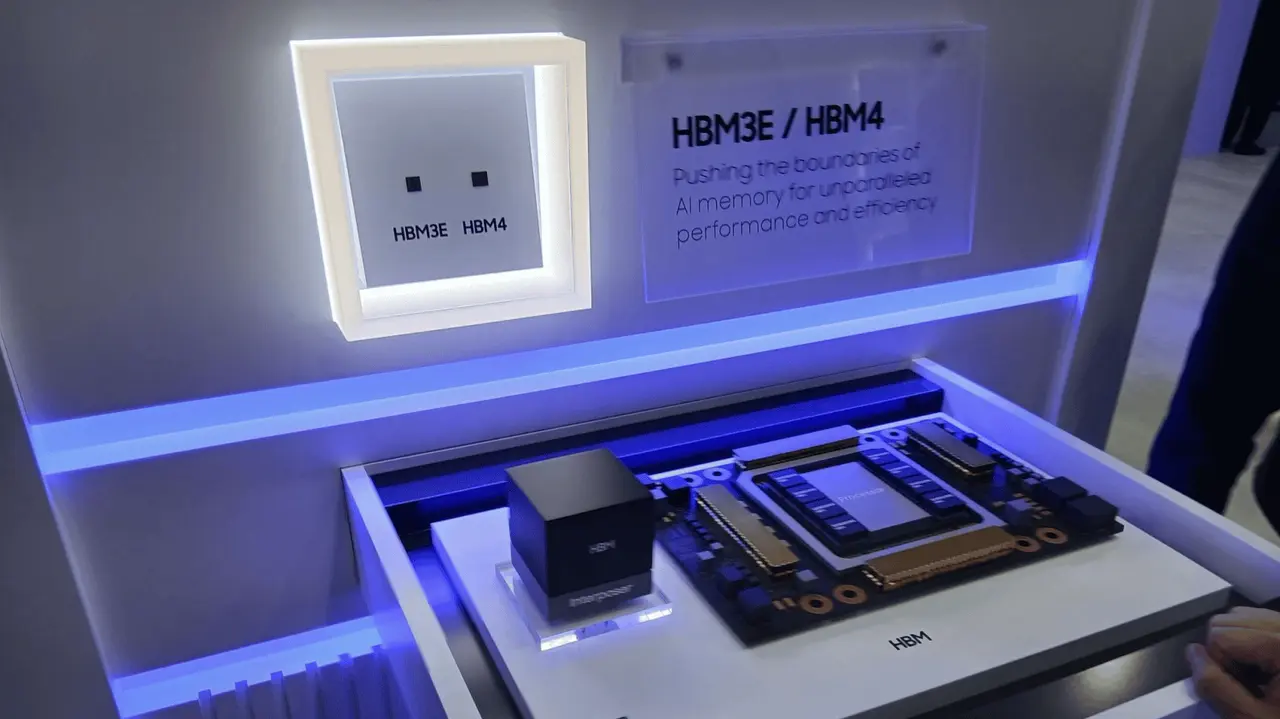
The semiconductor industry indicates that Samsung's memory technology has stabilized with this HBM4 shipment, addressing previous technological gaps with competitors evident during the HBM3 and HBM3E phases
4
. Samsung completely overhauled its HBM and semiconductor division in recent years, with results now materializing5
. The company uses 6th-generation 10nm-class DRAM and a 4nm logic base die in its HBM4 design, with plans to continue delivering next-generation memory solutions including HBM, GDDR, and SOCAMM memory, as well as foundry services5
. HBM4 integrates directly into AI accelerators such as Nvidia's Rubin, linking its availability to customers' schedules for next-generation chip mass production, with Samsung adjusting shipment volumes to align with these timelines and specified quantities4
. With incredibly high bandwidth and energy efficiency, Samsung's advanced HBM solutions are expected to help accelerate the development of future AI applications and form a critical foundation for manufacturing infrastructure driven by these technologies5
.References
Summarized by

Navi
[3]
Related Stories
Samsung and Micron begin shipping HBM4 memory as race for AI acceleration hardware intensifies
10 Feb 2026•Technology

Samsung gains ground in HBM4 race as Nvidia production ignites AI memory battle with SK Hynix, Micron
02 Jan 2026•Technology
SK hynix Leads the Charge in Next-Gen AI Memory with World's First 12-Layer HBM4 Samples
19 Mar 2025•Technology

Recent Highlights



Recent Highlights
Today's Top Stories








Don’t drown in AI news. We cut through the noise - filtering, ranking and summarizing the most important AI news, breakthroughs and research daily. Follow topics that matter to you and stay ahead.


