Samsung Electronics Hits Record $80.5B Profit as AI Chip Boom Drives Unprecedented Growth


9 Sources
[1]
Samsung posts record profit in Q3 on AI chip boom
SEOUL, Oct 29 (Reuters) - Samsung Electronics (005930.KS), opens new tab said on Thursday its operating profit rose nearly ninefold to a record high in the third quarter, driven by robust demand for AI chips, even as investors remained wary about the durability of AI spending. The world's top
[2]
Samsung Electronics third-quarter profit in line with estimates amid rising demand for AI memory chips
* Samsung Electronics reported third-quarter earnings on Thursday, with operating profit broadly in line with analysts' estimates * Operating profit jumped 783.11% year on year from 107.44 trillion won. In this article * SSUN-FF Follow your favorite stocksCREATE FREE ACCOUNT The Samsung logo,
[3]
Samsung Electronics Announces Third Quarter 2026 Results - Samsung Global Newsroom
Quarterly revenue of KRW 195.3 trillion, operating profit at KRW 107.4 trillion Samsung Electronics today reported financial results for the third quarter ended Sept. 30, 2026. The Company posted KRW 195.3 trillion in consolidated revenue, another all-time quarterly high, representing a
[4]
AI's insatiable appetite for chips helps Samsung rake in a record $80.5 billion in quarterly profit | Fortune
Samsung Electronics said Thursday that its operating profit for the last quarter reached a record 107.4 trillion won ($80.5 billion), fueled by surging demand for its computer memory chips used in artificial intelligence systems. Revenue for the July-September period rose to an all-time high of
[5]

Samsung confirms record-breaking operating profit on soaring AI memory chip demand
Samsung Electronics Co. Ltd. today confirmed it has set a new world record for quarterly profit in the technology industry. It delivered a stunning 107.44 trillion won ($80.5 billion) in third-quarter operating profit on the back of soaring demand for the memory chips fueling the artificial
[6]

Samsung Q3 2026: AI memory demand drives record profit while mobile division posts another loss
Samsung announced its financial results for the third quarter ended September 30, 2026. Consolidated revenue reached 195.3 trillion won (approximately USD 146.3 billion), up 126.82% year-over-year (YoY) and 13.87% quarter-over-quarter (QoQ), another all-time quarterly high. Operating profit stood
[7]

Earnings call transcript: Samsung Electronics posts record Q3 2026 profit By Investing.com
Samsung Electronics said third-quarter profit surged to a record high, with operating profit topping 100 trillion won for the first time at 107.4 trillion won, as demand for memory chips tied to artificial intelligence continued to strengthen. Revenue rose to 195.3 trillion won, while earnings per
[8]

Samsung's Chip Profit Drives Another Record Quarter -- Update
Samsung Electronics reported its fourth consecutive quarter of record earnings as its core semiconductor business continued to ride the AI-driven demand wave, though the results fell short of lofty expectations amid growing calls for higher shareholder returns. The South Korean company's quarterly
[9]
Samsung posts record profit in Q3 on AI chip boom
SEOUL, Oct 29 (Reuters) - Samsung Electronics said on Thursday its operating profit rose nearly ninefold to a record high in the third quarter, driven by robust demand for AI chips, even as investors remained wary about the durability of AI spending. The world's top memory chipmaker reported
Share
Copy Link
Samsung Electronics reported a historic 107.4 trillion won ($80.5 billion) operating profit for Q3 2026, marking a 783% year-over-year surge driven by insatiable demand for AI memory chips. The company expects chip supply shortages to intensify through 2027 as AI infrastructure investments reach unprecedented levels.
Samsung Electronics has achieved a milestone that no technology company has reached before. The South Korean tech giant reported operating profit of 107.4 trillion won ($80.5 billion) for the third quarter of 2026, making it the world's first tech company to exceed 100 trillion won in quarterly operating profit
1
3
. This represents a staggering 783% increase from the 12.2 trillion won reported in the same period last year2
.AI Memory Chip Demand Fuels Unprecedented Growth
The record profit stems directly from robust demand for AI chips, particularly advanced memory products used in artificial intelligence applications. Samsung Electronics posted revenue of 195.3 trillion won ($146 billion) for the July-to-September period, marking another all-time quarterly high and representing a 127% year-over-year increase
4
5
. The Device Solutions Division, which houses Samsung's semiconductor business, delivered the lion's share of these results with 147.1 trillion won in revenue and 106.5 trillion won in operating profit3
.The Memory Business achieved record-breaking performance by managing its product mix with a focus on AI-related memory chips. Samsung significantly scaled up sales of HBM4, its high-bandwidth memory chips, while proactively addressing growing demand for server SSDs
3
. Strong demand momentum for servers led to higher market prices across all applications, benefiting Samsung's bottom line.Supply Shortage Expected to Deepen Through 2027
Echoing the outlook provided by cross-town rival SK Hynix, Samsung Electronics warned that the chip supply shortage would deepen next year
1
. The company expects AI infrastructure capital expenditure to reach historic levels in 2027 as the AI ecosystem expands. More significantly, Samsung projects that increasing AI-driven demand will far exceed industry supply compared with 20263
.For Q4 2026, the Memory Business anticipates that industry-wide competition for AI leadership will drive continued AI infrastructure investments. Memory demand growth is projected to revolve around new CPU and GPU platform-related products, while surging QLC SSD demand will be linked to the expansion of personal AI agent services
3
.Strategic Investments and Partnerships Strengthen Position
Samsung Electronics is making strategic moves to capitalize on the AI chip boom. During the third quarter, Samsung and five affiliates announced a combined $1 billion investment in KKR-backed Helix Digital Infrastructure, with Samsung Electronics contributing $500 million
2
. The company also announced a partnership with French AI startup Mistral AI to integrate AI technologies into its semiconductor operations, including chip design and manufacturing, while leading Mistral's Series D funding round2
5
.The Foundry Business experienced notable revenue and earnings improvement driven by HBM base-die sales growth and expanded advanced-node sales. The business secured continued order wins centered on 2nm HPC customers, including major hyperscalers
3
. Looking ahead, Samsung expects to strengthen its global supply capabilities with the commencement of operations at its new fab in Taylor, Texas.Related Stories

Rewarding Shareholders Amid Record Performance
Samsung Electronics announced it would pay 30 trillion won in dividends for the third quarter, or 4,601 won per share
1
5
. The company's net profit increased by 515% to 75.15 trillion won, reflecting the massive profitability of the AI chip boom5
.Broader Industry Implications and Concerns
Samsung's Samsung third-quarter profit comes just one day after SK Hynix reported strong earnings and an upbeat outlook, helping to ease market concerns that AI-driven chip earnings could lose momentum
1
. Together, Samsung and SK Hynix control about two-thirds of the global memory market4
.South Korean tech companies are making major investments in semiconductor manufacturing facilities and data centers. Samsung and SK Hynix announced plans in June to invest a combined 800 trillion won ($599 billion) in a new chipmaking hub in the country's southwest to capitalize on soaring AI memory chip demand
4
.However, some analysts question whether the spending will ultimately pay off. South Korea's central bank has warned that the country's trade-dependent economy is becoming too reliant on chips, which could deepen the damage of any AI-related downturn
4
. Despite these concerns, Samsung's stock rose 2% during early trading in South Korea following the earnings announcement5
.While Samsung's Device Solutions division thrived, the company's MX and Networks business unit, which includes smartphone sales, posted an operating loss of 0.6 trillion won on total sales of 37.7 trillion won
5
. The Device eXperience Division recorded an operating loss of 0.8 trillion won despite an 8% quarter-on-quarter revenue increase3
. Samsung's smartphone sales have been affected by rising memory chip costs, reflected in higher handset prices this year, though the company expects a boost in Q4 from new flagship devices.Samsung plans to maintain its sales strategy focused on AI applications to solidify market leadership. Leveraging its industry-leading products and unmatched scale, the company aims to further increase HBM, server DRAM, and SSD sales while increasing the supply of high-speed server DDR5 products and QLC SSDs
3
. Watch for how Samsung navigates the intensifying competition for AI infrastructure investments and whether AI infrastructure investments can sustain the current growth trajectory amid economic uncertainties.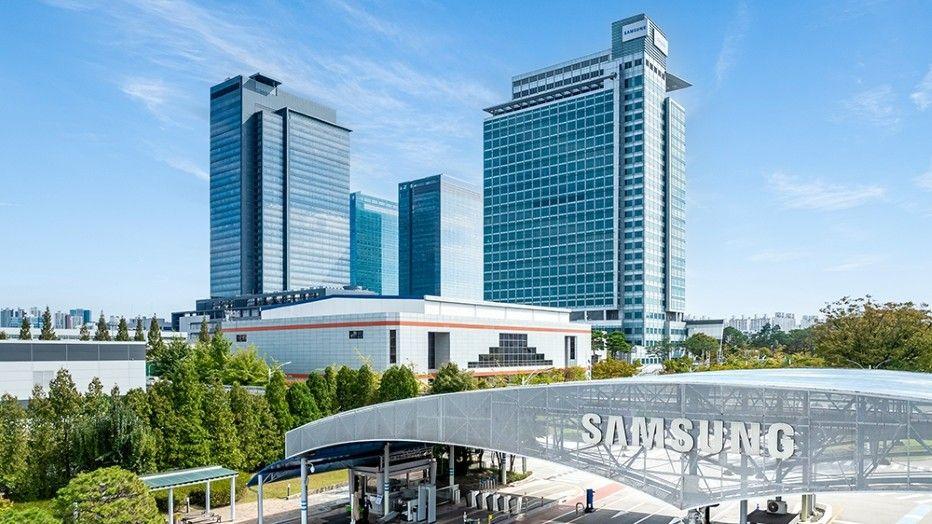
Source: Samsung
References
Summarized by

Navi
Related Stories
Samsung Q3 Profit Soars 783% to Record $80B as AI Memory Boom Drives Chip Earnings
07 Oct 2026•Business and Economy

Samsung hits record $62B profit on AI chip demand but warns memory shortage worsens through 2028
30 Jul 2026•Business and Economy

Samsung profit soars 19-fold to record $58.4bn as AI demand strains memory chip supply
06 Jul 2026•Business and Economy
Recent Highlights


Recent Highlights
Today's Top Stories









Don’t drown in AI news. We cut through the noise - filtering, ranking and summarizing the most important AI news, breakthroughs and research daily. Follow topics that matter to you and stay ahead.


