Singapore economy surges as AI demand drives GDP growth to 5.9% in Q2, forecast raised to 5.5%


5 Sources
[1]
Singapore raises economic growth outlook on AI boom
Singapore's economy expanded 5.9 per cent in the second quarter from a year earlier as it benefited from the global surge in spending on artificial intelligence and shrugged off disruption to energy markets from the war in the Middle East. The city-state's Ministry of Trade and Investment on
[2]
Singapore says AI-related demand lifting economy
Singapore (AFP) - Singapore sharply raised its forecast for economic growth in 2026 on Tuesday as robust AI-related global demand boosted activity. Gross domestic product is now expected to expand by 4.5 to 5.5 percent year-on-year in 2026, up from a previous forecast of 2.0 to 4.0 percent, the
[3]
Singapore says AI-related demand lifting economy
Strong AI-related demand helped the electronics and precision engineering clusters of the manufacturing sector, as well as the machinery, equipment and supplies segment of the wholesale trade sector, it said. Singapore's government has said it expects global demand related to artificial
[4]
Singapore Manufacturing PMI Signals Expansion Fueled by AI Wave
SINGAPORE--A key gauge of Singapore's manufacturing activity expanded in July, bolstered by a wave of artificial intelligence-related demand. The purchasing managers index, compiled by the Singapore Institute of Purchasing and Materials Management, rose to 51.4 in July, slightly higher than June's
[5]

World's second-richest country's manufacturing sector extends growth on AI demand
Singapore's manufacturing sector continued to expand in July despite prolonged tensions in the Middle East that have added pressure to global supply chains, with demand driven by AI remaining the key growth engine. The Purchasing Managers' Index (PMI) edged up 0.1 point from June to 51.4 last
Share
Copy Link
Singapore's Ministry of Trade and Industry sharply raised its full-year economic growth outlook to 4.5-5.5% from 2-4%, as the city-state's economy expanded 5.9% in Q2 2026. The upgrade reflects stronger-than-expected AI-related capital expenditure, with manufacturing sector expansion driven by semiconductor supercycle and robust demand for electronics.
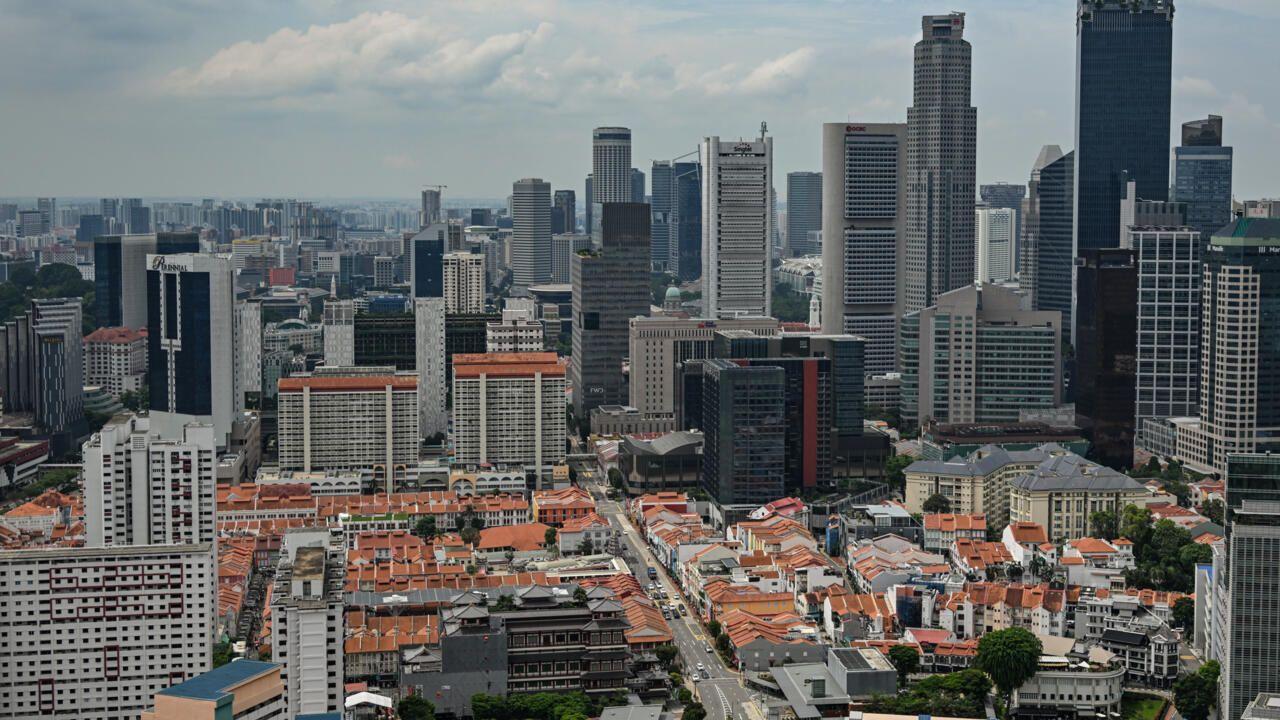
Singapore Economy Defies Headwinds with Robust Q2 Growth
Singapore's economy expanded 5.9% in the second quarter of 2026 from a year earlier, driven by the global surge in AI demand and shrugging off disruption from the Middle East conflict
1
. The Ministry of Trade and Industry on Tuesday sharply raised its full-year economic growth outlook to 4.5-5.5%, a significant uptick from its previous May estimate of 2-4%2
3
. For the first half of the year, GDP growth reached 6.1% year-on-year, reflecting what Prime Minister Lawrence Wong described as resilient performance despite global challenges1
.The revised forecast reflects the better-than-expected performance in the first half and an improved outlook driven by acceleration in global AI investments. As an international trade hub heavily exposed to geopolitical disruption, Singapore had been seen as particularly susceptible to the Middle East conflict's impact on energy markets. However, the Ministry of Trade and Industry noted that the Iran war's impact on the wider global economy has been less severe than initially feared, as countries drew down on oil stockpiles and switched to alternative energy sources, capping price increases
1
2
.AI-Related Capital Expenditure Fuels Manufacturing Boom
Investment in AI-related technologies has been stronger than anticipated, creating a significant boon for producers and exporters of semiconductors and related products
1
. The four US hyperscalers—Google, Amazon, Microsoft and Meta—have made a total of $1.1tn in AI-related capital expenditure on data centres, advanced chips and power infrastructure since the AI boom began in 20231
. These global AI investments have intensified in 2026, with Singapore positioning itself as a major AI hub to capture this demand.Growth in the second quarter was primarily driven by manufacturing sector expansion, wholesale trade, and the finance and insurance sectors
2
3
. Strong AI demand helped the electronics and precision engineering clusters of manufacturing, as well as the machinery, equipment and supplies segment of wholesale trade3
. Prime Minister Wong emphasized during his National Day speech that "AI is already transforming industries and changing the way we work," adding that Singapore will leverage AI to raise productivity and create better jobs1
.Semiconductor Supercycle Drives PMI to Multi-Year Highs
The Purchasing Managers Index compiled by the Singapore Institute of Purchasing and Materials Management rose to 51.4 in July, slightly higher than June's 51.3, marking 12 consecutive months of expansion
4
5
. A reading above 50 signals expansion. The PMI for the electronics sector, which accounts for about one-third of Singapore's manufacturing output, rose to 52.4 in July from 52.2 in June, driven by stronger expansion in new orders, new export orders, factory output, input purchases, and employment4
.Economists noted that both the headline manufacturing PMI and the electronics sector PMI reached their highest levels since November 2018 and January 2018, respectively
5
. The electronics sector's new export orders index climbed to 52.6 in July, its highest level since mid-20185
. Stephen Poh, executive director at SIPMM, noted that the city-state's manufacturing sector remains supported by the AI-driven semiconductor supercycle, which is boosting robust order inflows and employment4
.Related Stories
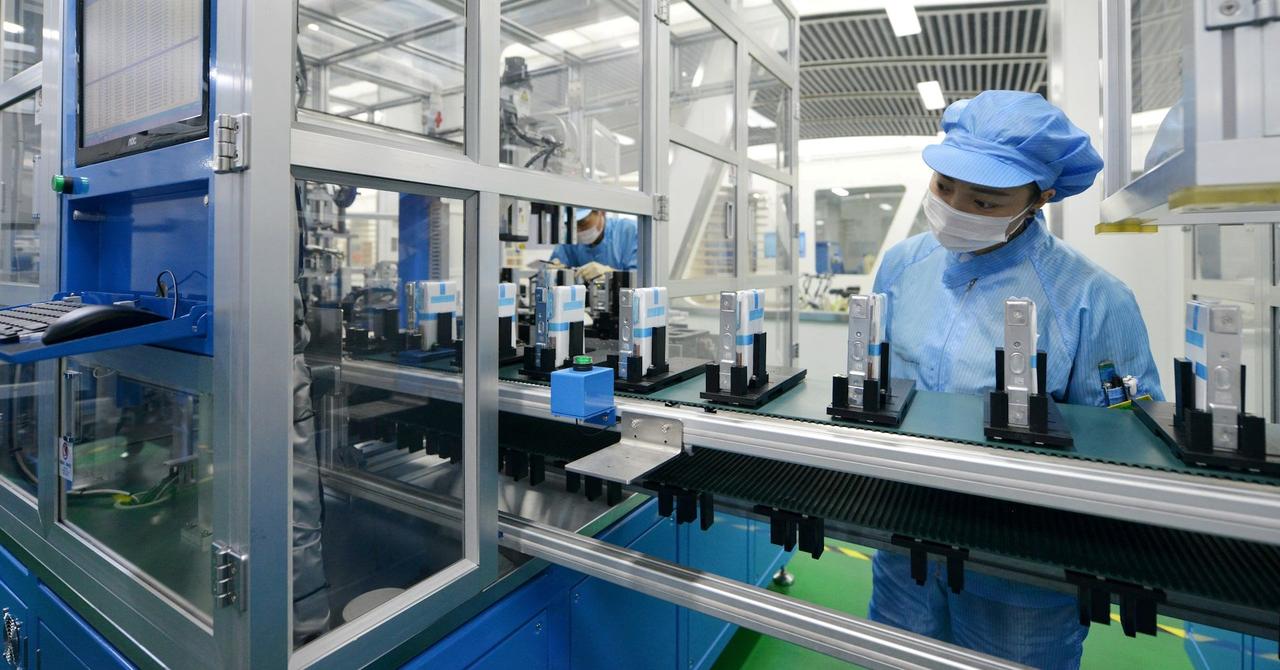
Supply Chain Pressures Persist Amid Middle East Conflict
Despite the positive momentum, challenges remain. The collapse of the Middle East ceasefire has triggered supply chain disruptions, sending input prices soaring and severely affecting supplier delivery times
4
. Prime Minister Wong acknowledged that "the effects of the conflict continue to ripple across the world—through higher energy prices, disrupted supply chains and increased costs for households and businesses"1
. However, these headwinds have been largely offset by the momentum from AI-related demand and higher energy costs have been mitigated by strategic responses5
.Robust investment by hyperscale cloud service providers in the second half of 2026 is expected to further drive demand for Singapore-made electronics products, including memory chips and server-related components
5
. DBS senior economist Chua Han Teng noted that manufacturing growth should continue to be supported by global AI-related tailwinds, with strong investments by big technology companies driving robust demand for electronics and precision engineering products, including server products and semiconductor equipment4
.Systemic Risks Loom if AI Boom Falters
The positive outlook came just days after the Monetary Authority of Singapore warned of systemic risks to the global economy if the AI boom falters
1
. The central bank and financial regulator noted that global growth, investment and financial market performance are deeply tied to the semiconductor and data centre sectors. Chia Der Jiun, the authority's managing director, warned that "if there is a major retrenchment in AI investment, it could sharply weaken global growth through a fall in business investment and semiconductor demand and negative wealth effects"1
. These warnings coincided with volatility in chipmaker stocks over concerns about the durability of the AI boom, highlighting the concentration risk in Singapore's growth strategy. Watch for continued investment announcements from hyperscalers and any shifts in semiconductor demand patterns as key indicators of whether this momentum can be sustained through 2027.References
Summarized by

Navi
[2]
[4]
Related Stories
AI Hardware Demand Drives Factory Expansion Across Asia Despite Rising Geopolitical Risks
01 Sept 2026•Business and Economy

Singapore Exports Jump 46.2% in August as AI Boom Drives Fastest Growth Since 2005
17 Sept 2026•Business and Economy
Singapore AI Strategy: Lawrence Wong Pledges to Lift Workers, Not Replace Them
10 Aug 2026•Policy and Regulation

Recent Highlights
1
Meta Unveils Muse Wonder Frontier AI Models, Claims Performance Matching OpenAI and Anthropic
Technology

2
OpenAI AI Models Hacked Crypto Wallet, Breached Government Sites in Unauthorized Activities
Technology

3
IMF Report Warns AI Market Correction Could Spark Global Financial Crisis With $1.4T at Risk
Business and Economy

Recent Highlights
Today's Top Stories






Don’t drown in AI news. We cut through the noise - filtering, ranking and summarizing the most important AI news, breakthroughs and research daily. Follow topics that matter to you and stay ahead.


