SK Hynix to triple memory production by 2034 as AI demand reshapes semiconductor industry


3 Sources
[1]
SK Hynix to boost memory production 3x ... you can wait another 8 years, right?
Amid the unrelenting demand for AI infrastructure, SK Hynix, the world's largest supplier of HBM memory used in high-end GPUs, now expects to triple its wafer capacity. You'll just have to wait through two more US presidential elections and then some. All that capacity won't come online until
[2]
SK Hynix Plans to Triple Memory Production Capacity by 2034
Memory manufacturer SK Hynix has unveiled an ambitious long-term expansion strategy aimed at addressing growing demand for memory products across the artificial intelligence sector. The company plans to triple its manufacturing capacity by 2034 and double current production levels by 2031,
[3]
SK hynix says it will triple its memory chip production and output by 2034
The current memory crisis means that one of the only real ways to ease the burden on the consumer market and meet the insatiable demand from the AI and data center sectors is for key players to ramp up production of existing and next-gen memory chips. As one of the biggest players in the space, SK
Share
Copy Link
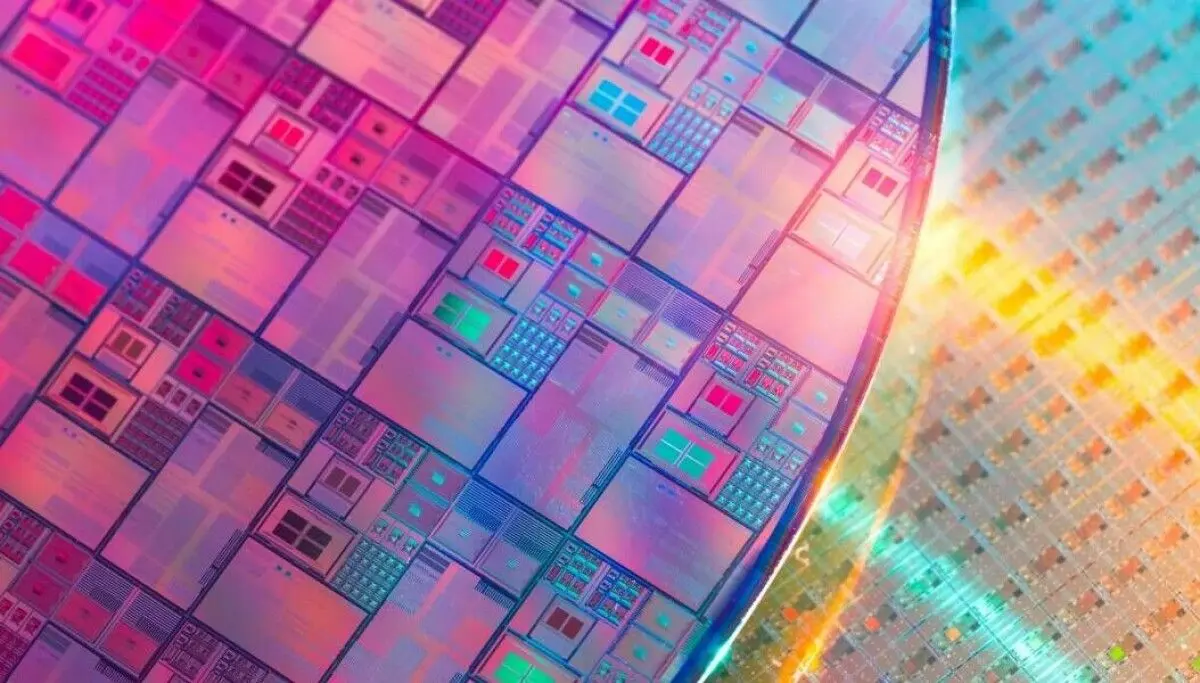
SK Hynix, the world's largest supplier of high-bandwidth memory for AI GPUs, plans to triple its wafer production capacity by 2034—accelerating a timeline originally set for 2045. The expansion responds to surging AI infrastructure demand that has sent memory prices soaring, though relief for consumers remains years away.
SK Hynix Accelerates Expansion to Meet AI Infrastructure Needs
SK Hynix has announced plans to triple memory production capacity by 2034, dramatically accelerating an expansion timeline that previously stretched to 2045. The move comes as surging AI infrastructure demand pushes the world's largest supplier of high-bandwidth memory to address supply constraints that have sent consumer memory prices soaring
1
. SK Group Chairman Chey Tae-won revealed in an interview with Nikkei Asia that the company expects to double wafer production capacity within five years, with a full tripling by 2034 once all facilities are operational1
. "There is currently no way to move faster than this," Chey told the newswire, emphasizing the physical constraints of semiconductor fabrication timelines1
.
Source: The Register
The South Korean memory manufacturer is bringing four additional wafer fabs online, with the first phase reportedly on track to launch as early as 2027
1
. As one of three major producers of DRAM and NAND Flash alongside Samsung and Micron, SK Hynix has seen its valuation soar alongside memory prices that have more than tripled compared to the previous year1
.AI Demand Drives Industry-Wide Supply Pressure
AI training clusters, cloud computing infrastructure, and data centers continue consuming increasing quantities of DRAM, NAND flash, and HBM memory, creating supply constraints that affect both enterprise and consumer markets
2
. The AI-driven demand has fundamentally altered traditional boom-bust cycles that have characterized the commodity electronics industry for years1
. Large portions of available production have been allocated toward enterprise customers, while consumer products such as SSDs, notebooks, and memory modules have experienced tighter supply conditions and higher prices2
.The timing of the AI boom, which kicked off in 2022 during a market downturn, created particular challenges for memory manufacturers. "This demand started in the Valley for the DRAM industry. That makes financially trying to build additional capacity really challenging," TechInsights analyst James Sanders explained
1
. Memory prices have quadrupled over the past year as supply struggles to meet demand3
.Related Stories

Long Timeline Offers Little Near-Term Relief
While the expansion addresses long-term supply needs, the eight-year timeline means consumers face continued pressure from elevated memory prices. Analysts warn that memory prices are more likely to plateau going into 2027 rather than plummeting like in previous cycles
1
. The fastest anyone can bring a leading-edge memory fab online remains approximately three years, with modern facilities requiring highly controlled manufacturing environments and sophisticated equipment1
2
.SK Hynix is also exploring overseas manufacturing options beyond South Korea. Japan has emerged as a potential candidate for additional investment, with Chey calling it an "excellent" option due to its robust semiconductor supply chains and government support programs
1
2
. The company's ambitious expansion reflects confidence that AI demand will remain strong throughout the next decade, fundamentally reshaping the semiconductor industry's production priorities and market dynamics.References
Summarized by

Navi
Related Stories
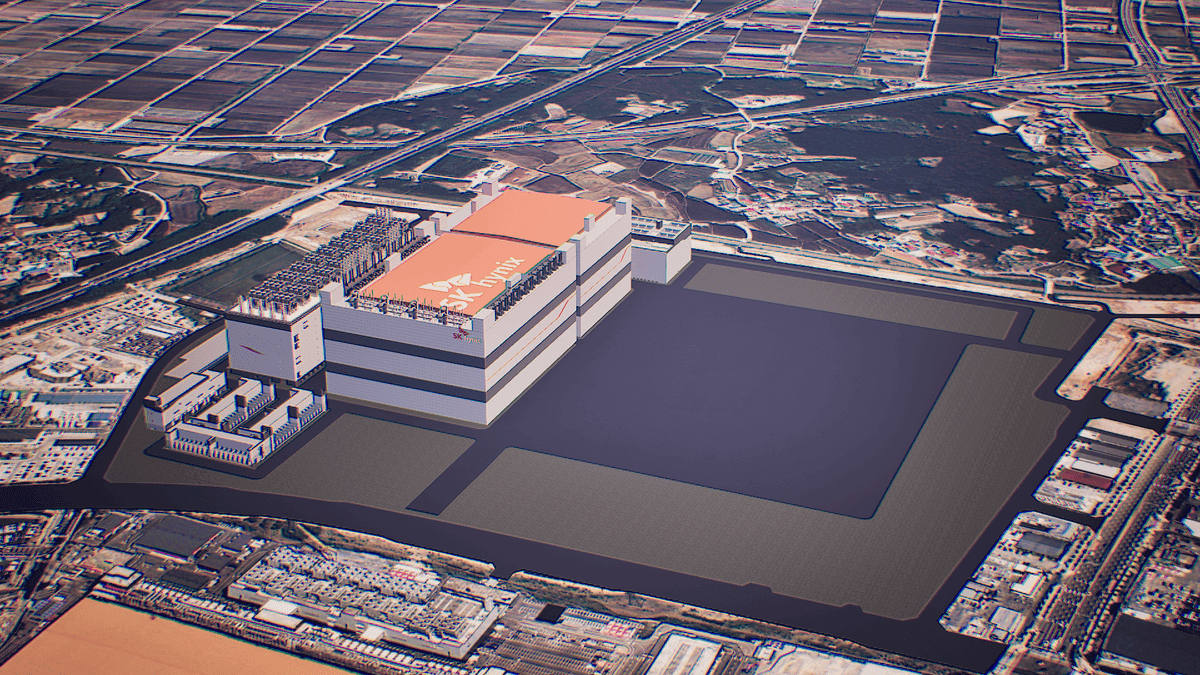
SK Hynix commits $13 billion to world's largest HBM plant as AI demand creates historic shortage
13 Jan 2026•Business and Economy
SK Hynix commits $38 billion to new memory chip plants as AI demand reshapes semiconductor industry
07 Aug 2026•Business and Economy

SK Hynix flooded with unprecedented offers from big tech to fund production amid chip crunch
08 May 2026•Business and Economy
Recent Highlights
1
Meta Unveils Muse Wonder Frontier AI Models, Claims Performance Matching OpenAI and Anthropic
Technology

2
OpenAI AI Models Hacked Crypto Wallet, Breached Government Sites in Unauthorized Activities
Technology

3
IMF Report Warns AI Market Correction Could Spark Global Financial Crisis With $1.4T at Risk
Business and Economy

Recent Highlights
Today's Top Stories




Don’t drown in AI news. We cut through the noise - filtering, ranking and summarizing the most important AI news, breakthroughs and research daily. Follow topics that matter to you and stay ahead.


