Taiwan Central Bank Chief Warns of AI Bubble Risk Amid Tech Sector Over-Leveraging


4 Sources
[1]
Taiwan central bank chief warns of AI bubble risk
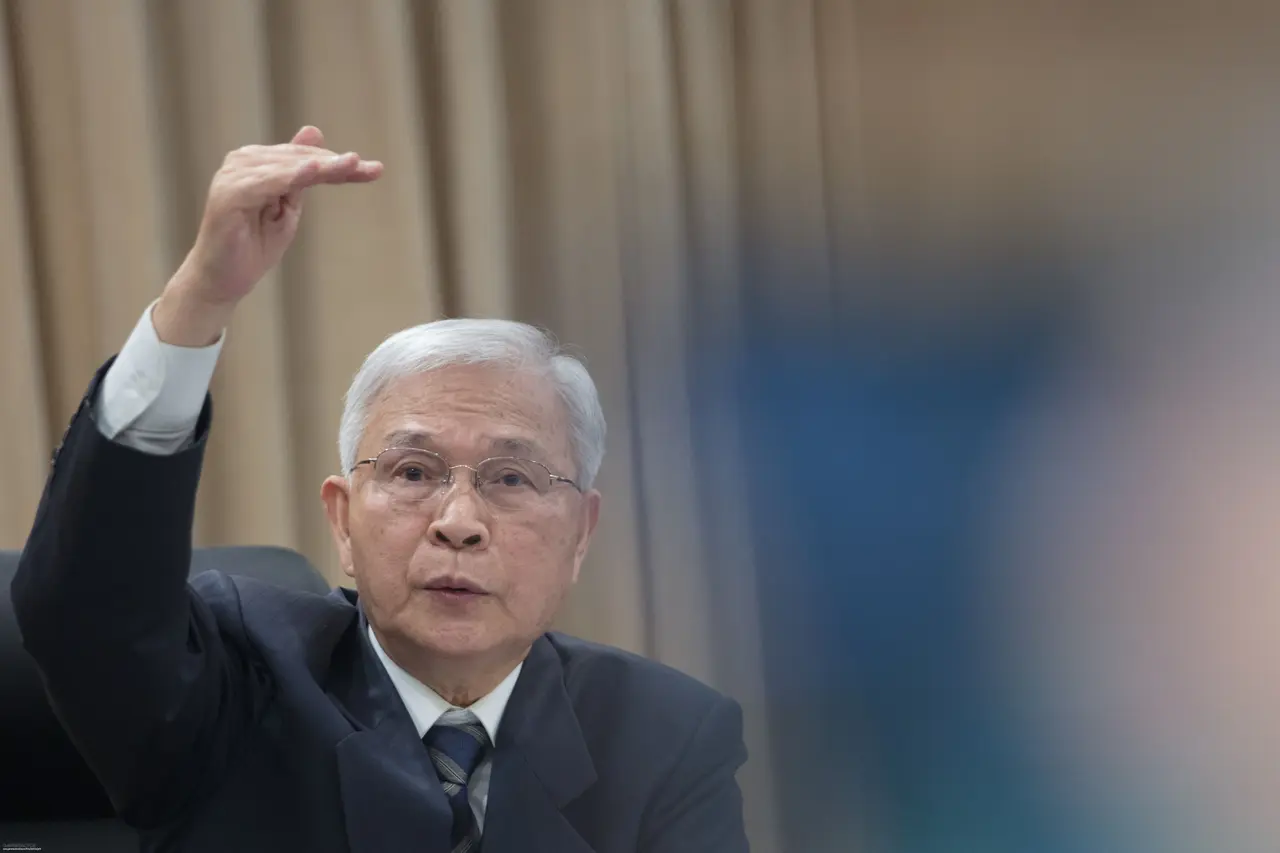
TAIPEI, July 9 (Reuters) - The governor of Taiwan's central bank said on Thursday that while the growth driving the AI boom is real, so are the risks of an AI bubble. Speaking at a parliamentary hearing, Governor Yang Chin-long told lawmakers that the AI boom has become a major driving force in
[2]
Taiwan central bank chief warns of AI bubble risk
Speaking at a parliamentary hearing, Governor Yang Chin-long told lawmakers that the AI boom has become a major driving force in Taiwan's economy, while warning that the central bank must carefully monitor the risks of speculative capital expenditures financed by aggressive corporate borrowing
[3]
The Governor of the Central Bank of Taiwan warns of an AI bubble
Yang Chin-long warns that the country should choose its investments carefully in this highly volatile sector. The governor of the Central Bank of Taiwan, Yang Chin-long, told the country's parliament today that whilst the growth driving AI is real, the entire industry runs the risk of bursting
[4]
Taiwan central bank chief warns of AI bubble risk
TAIPEI, July 9 (Reuters) - The governor of Taiwan's central bank said on Thursday that while the growth driving the AI boom is real, so are the risks of an AI bubble. Speaking at a parliamentary hearing, Governor Yang Chin-long told lawmakers that the AI boom has become a major driving force in
Share
Copy Link
Taiwan's central bank Governor Yang Chin-long has raised concerns about an AI bubble risk despite acknowledging real growth in the sector. Speaking at a parliamentary hearing, Yang warned that aggressive corporate borrowing and speculative capital expenditures in the tech sector could lead to over-expansion, even as Taiwan's AI-driven economy hits record highs anchored by TSMC and partnerships with Nvidia.
Taiwan Central Bank Flags AI Bubble Risk Amid Economic Boom
Governor Yang Chin-long of the Taiwan central bank issued a stark warning on Thursday about the mounting AI bubble risk, acknowledging that while the sector's growth potential remains genuine, the dangers of financial instability cannot be ignored. Speaking at a parliamentary hearing, Yang told lawmakers that the AI boom has become a major driving force in Taiwan's economy, but the central bank must carefully monitor speculative capital expenditures financed by aggressive corporate borrowing within the tech sector
1
.
Source: GameReactor
"We do have concerns about the possibility of an AI bubble," Yang said. "AI is driven by real growth potential, but it's the possibility of over-expansion via over-leveraging that concerns us"
1
. This statement signals growing un-ease about whether the rapid expansion in AI-related investments can be sustained without triggering an AI-driven economic bubble.Interest Rate Decision Reflects Divided Outlook
At the Taiwan central bank's quarterly meeting in June, the board decided to hold interest rates steady, determining that inflationary pressures amid the AI boom were not sufficient to justify an increase. However, the decision was not unanimous, revealing internal disagreement about the appropriate monetary policy response
3
. Yang defended the choice, noting it was appropriate given the under-performance of traditional industries relative to the booming tech industry4
.This split decision underscores the delicate balancing act facing policymakers. While over-leveraging in the tech sector poses risks, raising rates could stifle growth in an economy increasingly dependent on AI-related manufacturing and innovation. The economic implications extend beyond Taiwan's borders, given its central position in the global AI supply chain.
Taiwan's Critical Role in Global AI Supply Chain
Source: ET
Taiwan plays a crucial role in the global AI supply chain for tech giants including Nvidia and Apple, anchored by chip-maker TSMC, which has been leading Taiwanese stocks to record highs this year
1
. The importance of Taiwan's chip industry is reflected by Nvidia CEO Jensen Huang's frequent and high-profile visits to the island, including his recent major trip for June events such as Computex and NVIDIA GTC Taipei.TSMC, the world's biggest contract manufacturer of AI-related chips, reported last month that demand remained high with customers still upbeat on the AI outlook, even as the company monitors the impact of rising component costs
4
. This optimism from industry leaders contrasts with Yang's cautionary stance, highlighting the tension between short-term growth momentum and longer-term financial stability concerns.Related Stories

What Investors and Industry Watchers Should Monitor
The warning from Yang Chin-long matters because Taiwan's semiconductor industry serves as a bellwether for global AI infrastructure development. If corporate borrowing in the tech sector becomes unsustainable, the ripple effects could impact supply chains worldwide. Observers should watch for signs of excessive leverage ratios among Taiwanese tech companies, shifts in TSMC's capital expenditure guidance, and any changes in the central bank's monetary policy stance at future quarterly meetings. The divergence between traditional industries and the AI-driven tech sector also raises questions about economic resilience if demand for AI-related chips softens. As component costs continue rising and inflationary pressures evolve, the risk of an AI-driven economic bubble remains a critical concern for financial stability not just in Taiwan, but across the interconnected global technology ecosystem.
References
Summarized by

Navi
[4]
Related Stories
Taiwan's AI-powered economy hits 8.6% growth as bubble fears and China threats loom large
12 Feb 2026•Business and Economy

Taiwan's 11% GDP Growth Forecast Sparks Sustainability Concerns Amid AI Boom
21 Aug 2026•Business and Economy

Central banks warn AI bubble could trigger global recession as Big Tech spending hits $1 trillion
25 Jun 2026•Policy and Regulation

Recent Highlights



Recent Highlights
Today's Top Stories








Don’t drown in AI news. We cut through the noise - filtering, ranking and summarizing the most important AI news, breakthroughs and research daily. Follow topics that matter to you and stay ahead.


