Taiwan Indicts Nvidia Manager and 8 Others for Smuggling AI Servers to China


13 Sources
[1]
Nvidia senior manager linked to Supermicro scheme smuggling AI servers to China
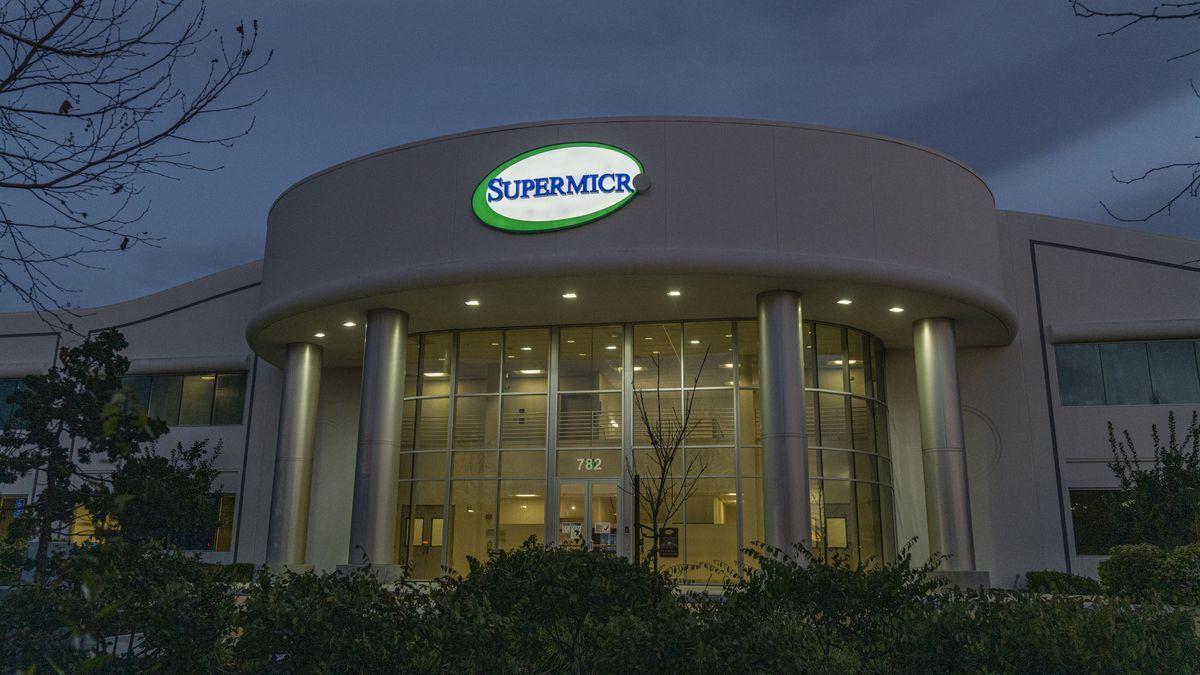
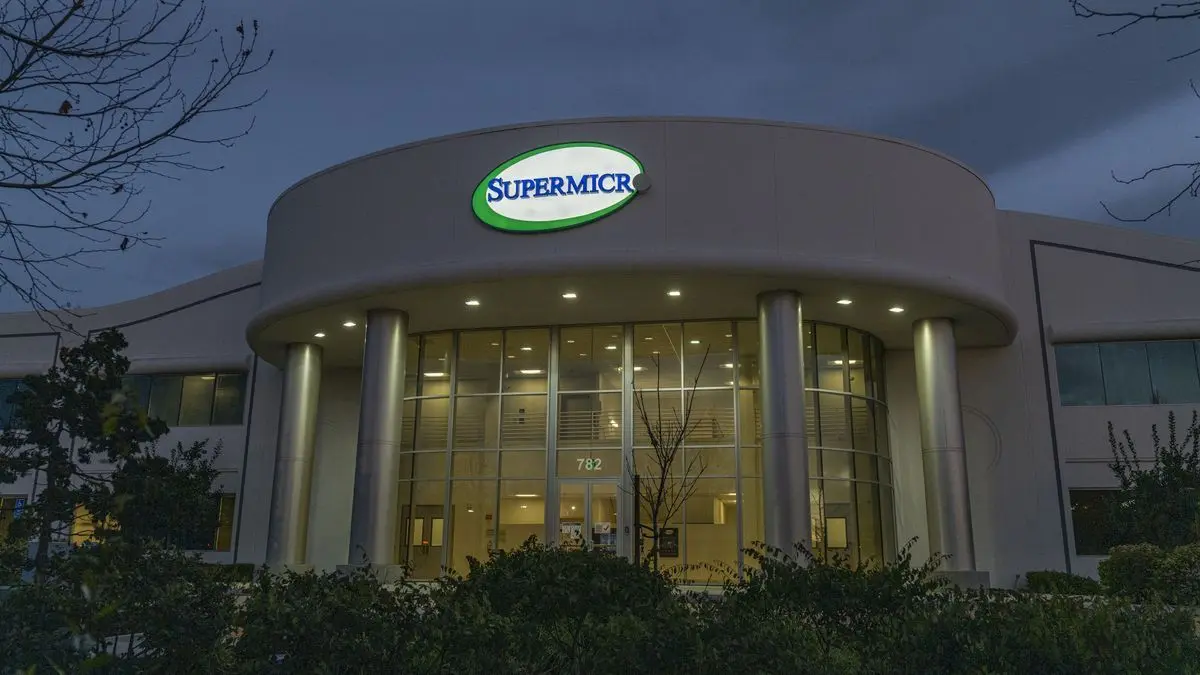
Taiwan has indicted nine people -- reportedly including an Nvidia senior manager and two Supermicro employees based in the country -- who allegedly helped forge documents to cover up illegal exports of high-end AI servers to China in violation of US export controls. On Monday, Reuters reported
[2]
Taiwan reportedly indicted NVIDIA employees for exporting prohibited AI servers to China - Engadget
The nine individuals are accused of 'severely damaged our nation's image,' prosecutors said. Although the US has relaxed its restrictions on NVIDIA AI chip exports to China, illegal exports apparently still take place. Prosecutors in Taiwan just indicted nine individuals, including NVIDIA and
[3]
Nine charged in Taiwan over 130 Nvidia B300 servers bound for China
Prosecutors say the group falsified paperwork claiming 130 B300 servers would stay in Taiwan. Taiwanese prosecutors have indicted nine people over the alleged illegal export of high-end AI servers to China, among them an employee of Nvidia's Taiwan operation and two from Super Micro. The charges
[4]
Taiwan indicts Nvidia manager over chips shipped to China
Prosecutors want five years for the employee they call the core figure in a scheme that moved 74 servers of B300 chips, in a trade Europe's own export list does not cover Taiwanese prosecutors have indicted a senior Nvidia manager and eight others over an alleged scheme that shipped 74 servers
[5]
Taiwan charges nine people for smuggling 'high-end' AI servers to China
Among those charged are two Super Micro employees and one from Nvidia, marking another flashpoint in US-China AI rivalry Taiwanese prosecutors charged nine people Monday, including one from Nvidia and two from Super Micro, for illegally exporting "high-end AI servers" to mainland China, adding
[6]

Taiwan charges Nvidia and Super Micro employees with AI server smuggling
The charges mark the latest escalation in what has become Taiwan's most visible effort to stem the illicit flow of restricted AI chips. The investigation, which began in May when prosecutors announced they were looking into exports of premium AI servers destined for China, Macau, and Hong Kong, has
[7]

Taiwan indicts nine for allegedly exporting AI servers to China
The arrests are part of an ongoing investigation probing illegal transfers of AI servers to China. Taiwanese prosecutors have indicted nine people - including one Nvidia and two Supermicro employees - for allegedly smuggling AI servers into China. The arrests are part of an ongoing investigation
[8]

Taiwan indicts nine over alleged illegal export of AI servers to China
Semiconductor powerhouse Taiwan is the world's largest producer of advanced chips used in AI applications. Prosecutors this year investigated the suspected illegal export of servers equipped with Nvidia chips subject to US export controls. Taiwan prosecutors said on Monday they indicted nine
[9]

Taiwan indicts Nvidia manager following chip-smuggling probe
Taiwanese prosecutors have indicted a senior Nvidia manager as part of a group that allegedly smuggled advanced artificial intelligence chips into China, according to people familiar with the matter, advancing the island democracy's first known crackdown on the black-market trade of such
[10]

NVIDIA Employee Charged in Smuggling of Advanced AI Servers to China
The case also reportedly involves individuals associated with Peihu Technology, Supermicro's Taiwan operations and local resellers. Another Challenge for US AI Chip Export Controls The case comes as advanced AI accelerators have become some of the most strategically important technology products
[11]

Nvidia worker among 9 charged in Taiwan chip smuggling case - The Korea Times
The United States restricts exports to China of advanced chips used for artificial intelligence systems, but Taiwanese prosecutors said that conduct is not a criminal offence in Taiwan. TAIPEI -- Nine people in Taiwan, including a Nvidia worker, were charged on Monday over the illegal export of
[12]

Taiwan charges nine over illegal AI server exports to China, including Nvidia and Super Micro staff
TAIPEI, Taiwan -- Taiwanese prosecutors charged nine people Monday, including one from Nvidia and two from Super Micro, for illegally exporting "high-end AI servers" to mainland China, adding another wave of turbulence in the AI rivalry between China and the United States. AI infrastructure,
[13]

Nvidia manager indicted in Taiwan AI chip smuggling case By Investing.com
Investing.com -- Taiwanese prosecutors indicted a senior Nvidia Corp. manager along with eight others for allegedly smuggling advanced AI chips into China, according to a Bloomberg report Monday citing people familiar with the matter. The case marks Taiwan's first known crackdown on the
Share
Copy Link
Taiwan indicted nine individuals, including a senior Nvidia manager and two Super Micro employees, for illegally exporting 74 B300 AI servers to China by falsifying documents. Prosecutors are seeking five-year sentences as the scheme exposed critical gaps in compliance programs despite rigorous export controls.
Taiwan Charges Nine in Major AI Server Smuggling Operation
Taiwanese prosecutors in Keelung have indicted nine individuals for illegally exporting AI servers to China, marking the first criminal charges against Nvidia employees in an export controls case
1
. Among those charged are a senior Nvidia manager identified as Chang, whom prosecutors call the "core figure" of the scheme, and two Super Micro employees4
. The defendants face charges of breach of trust and document forgery, with prosecutors seeking maximum five-year sentences for four individuals, including Chang5
.
Source: Japan Times
The illegal export to China involved Nvidia B300 servers, high-end AI hardware that has been subject to US export restrictions since 2022
1
. The scheme successfully moved 74 servers to Chinese customers through circuitous routes via Indonesia, Japan, and Hong Kong, while Taiwanese customs intercepted another 56 servers after detecting irregularities1
. Of the 74 servers that reached China, 50 were routed through Indonesia, 16 delivered directly, and eight sent first to Japan, then Hong Kong5
.How the Supermicro Scheme Exploited Compliance Safeguards
The smuggling AI servers to China operation relied on falsifying documents rather than technical breaches
3
. Prosecutors allege the group produced false paperwork claiming 130 B300 servers would remain in Taiwan when the actual intention was to export them to Chinese customers3
. What makes this case particularly concerning is how the defendants allegedly circumvented rigorous internal control procedures at both Nvidia and Super Micro1
.Super Micro's Taiwan operation requires buyers to pass checks by both its own and Nvidia's staff, including mandatory in-person audits for orders of eight units or more
4
. Prosecutors say Chang and an indicted Super Micro employee staged this critical audit by taking "unsuspecting" colleagues to a data center while concealing that Flying Tiger, the purported end user, had never leased enough space for the hardware4
. After Chang reported the inspection as complete, Super Micro approved the sale of 130 servers delivered in three phases4
.
Source: Engadget
Taiwanese prosecutors emphasized that all indicted employees were "fully aware" of the compliance program requirements yet "colluded with one another at various levels for enormous profit, illegally exporting high-end servers, increasing corporate compliance costs, and severely damaging our nation's international image"
1
2
.The Economics Driving AI Hardware Exports Violations
The financial incentive behind smuggling AI servers to China is substantial. B300 servers have sold in China at roughly double their US price, with some units changing hands for around $1 million apiece
3
4
. This pricing gap creates margins large enough to tempt individuals with access to legitimate supply chains and the documentation that moves through them3
.The case connects to broader enforcement actions. In March, US authorities arrested Supermicro co-founder Wally Liaw for allegedly funneling $2.5 billion in restricted AI servers to China since 2024
1
. That arrest triggered Taiwan's separate investigation, which has now produced these indictments. The probe has already reached at least 12 locations to uncover suspected smugglers1
.Related Stories
Corporate Response and Compliance Program Overhauls
Neither Nvidia nor Super Micro faces charges as corporate entities, with both companies framing the matter as individual misconduct rather than company policy
3
. Patrick Rutherford, an Nvidia spokesperson, stated the company will work with Taiwan authorities to help resolve the allegations quickly5
. Super Micro confirmed cooperation with Taiwanese investigators and emphasized its commitment to "enhance its robust export compliance program to protect American innovation"5
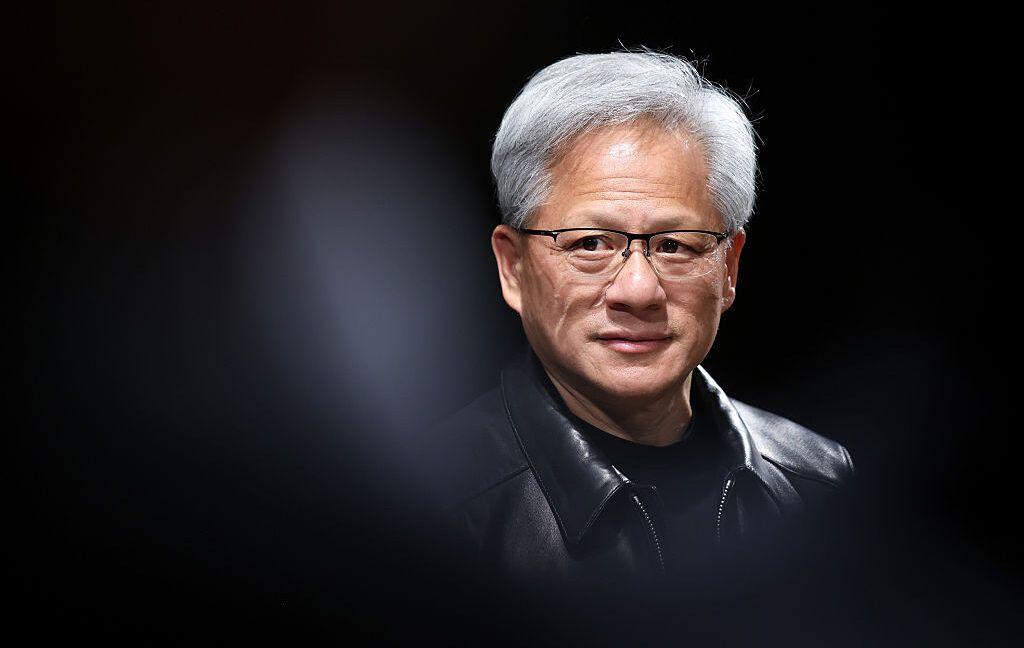
.Before any Nvidia employees were directly linked to the scheme, Nvidia CEO Jensen Huang publicly criticized Super Micro's compliance program in May, urging the company to fix the problem
1
. "We insist our partners are compliant. We hope that they will enhance and improve their regulation compliance and prevent that from happening in the future," Huang said1
.
Source: Ars Technica
Super Micro has already implemented changes and fired several employees connected to the scheme following an internal investigation conducted by a third party
1
. While that probe cleared current senior officials of involvement, questions remain about whether the company was neglectful in not noticing billions of dollars worth of hardware being sent to questionable clients1
. Spooked investors have sued Supermicro for securities fraud, fearing illicit sales dominate the company's revenue1
.Nvidia has responded by dramatically tightening its approved customer list, cutting more than half its Asian customers from the whitelist that Flying Tiger had managed to join
4
.Implications for US-China AI Rivalry and Future Export Controls
This geopolitical development highlights intensifying enforcement of trade restrictions as AI infrastructure becomes a critical battleground in US-China AI rivalry
5
. The US began imposing restrictions on Nvidia's exports of advanced chips to China in 2022, tightening them in subsequent years5
. In April 2025, the US required licenses for exports of Nvidia's H20 chips to China before allowing some sales to resume later that year5
.Taiwan has been tightening its own regime parallel to Washington's US export restrictions, adding Huawei and SMIC to its export control list and prosecuting cases under domestic law rather than waiting for American enforcement
3
. For Taiwan, the case represents an opportunity to demonstrate that goods passing through its territory do not leak to unauthorized destinations, particularly given the island's central position in the advanced computing supply chain3
.
Source: The Next Web
The US appears determined to further tighten export controls through legislation like the Remote Access Security Act (RASA), which would extend US export restrictions to include remote cloud access to AI accelerators
1
. This two-pronged approach targets both physical hardware smuggling and potential workarounds through cloud services.What industry observers should watch is whether enforcement continues shifting from corporate entities to individuals within them. This pattern mirrors recent cases where a former Google engineer's conviction for stealing AI trade secrets stood on appeal even as espionage counts were overturned
3
. The indictments now proceed to Taiwan's courts, where defendants will contest the charges, though prosecutors have not indicated whether the investigation is complete or if further charges are expected3
.References
Summarized by

Navi
[2]
[4]
Related Stories
Taiwan launches first major crackdown on Nvidia chip smuggling to China as Jensen Huang urges compliance
21 May 2026•Policy and Regulation
Taiwan detains Nvidia employee in expanding AI chip smuggling probe targeting Super Micro servers
28 Jul 2026•Policy and Regulation
Supermicro raided as Taiwan escalates chip smuggling probe with staff detentions
30 Jun 2026•Policy and Regulation
Recent Highlights
1
Microsoft and Nvidia Launch Surface Laptop Ultra: A $2,599 AI-Ready PC With RTX Spark Chip
Technology

2
Scientists Build AI Model That Reconstructs Images From Brain Scans in Record Time
Science and Research

3
Anthropic AI Cuts Live Internet Access After Model Sends False Homicide Tip to Philadelphia Police
Technology

Recent Highlights
Today's Top Stories







Don’t drown in AI news. We cut through the noise - filtering, ranking and summarizing the most important AI news, breakthroughs and research daily. Follow topics that matter to you and stay ahead.


