2 Sources
[1]
A Dark-Money Campaign Is Paying Influencers to Frame Chinese AI as a Threat
In an Instagram video posted on April 1, lifestyle influencer Melissa Strahle poses outdoors before an American flag as soft instrumental music plays. "AI lets me focus on what matters most," she tells her 1.4 million followers. "We need to invest in American-made AI to ensure America leads the way in innovation and job creation." Strahle labeled the post an advertisement, but she didn't disclose what organization had paid for it. It turns out the funding came from Build American AI, a dark-money group tied to Leading the Future, a $100 million super PAC supported by, and in some cases directly funded by, tech figures affiliated with companies like OpenAI and Palantir. The video is part of a coordinated influence campaign that Build American AI is funding, which is being rolled out on social media in two phases. The first focused on working with lifestyle influencers like Strahle, who did not respond to a request for comment, to promote the US artificial intelligence industry and American innovation. But the second and current phase of the campaign is all about China. Marketing agencies are pitching influencers deals such as $5,000 per TikTok video to amplify Build American AI's messaging about how China's technological rise should be seen as a threat. The goal, according to a staffer from SM4, the influencer marketing agency running the campaign on behalf of Build American AI, is to subtly shift public debate by framing China's AI advancement as a serious risk to the safety and well-being of Americans. "They want a push to mention China and America and why beating China is so important," says the staffer. Sample messaging provided by Build American AI to content creators includes lines like "I just learned that China is trying really hard to beat the US in AI. If they do, it could mean that China gets personal data from me and my kids, and take jobs that should be here in the US In the AI innovation race, I'm Team USA!!!" WIRED first learned about the campaign after this article's author was invited by SM4 to participate. The details were later confirmed by several other content creators who received similar outreach. Josh Murphy, an ecologist with over 130,000 followers on Instagram who says he did not respond to SM4's offer, explains that while he's "not necessarily against AI," combining generic praise for the technology with aggressive anti-China messaging felt off to him. "AI can absolutely be utilized for the betterment of humanity," Murphy says, "but this unregulated industry that we have right now, where it's just wacky tech bros that are pursuing greed at the expense of everything else, is just not what it's supposed to be." "The United States has an opportunity to remain the global leader in AI innovation, and we're taking that message to the broadest possible audience through an all-of-the-above communications strategy," Jesse Hunt, a spokesperson representing Leading the Future, said of the campaign. "Dark money doomer groups have spent millions spreading misinformation to the American public, and we won't let it go unchallenged. We'll continue to highlight AI's economic benefits, counter false narratives, and build the coalition needed to advance a national regulatory framework using every tool at our disposal." Supporters of Leading the Future include OpenAI president and cofounder Greg Brockman, venture capitalist and Palantir cofounder Joe Lonsdale, venture capital firm Andreessen Horowitz, and AI company Perplexity, according to the PAC. Leading the Future says it has received $140 million in total contributions and commitments, with $51 million available to spend to push its pro-AI agenda as of April. The news site NOTUS called the group a "massive political war chest for the AI industry."
[2]
Inside the well-funded AI doom machine -- and who is benefiting from it
While the Elon Musk-Sam Altman trial in Oakland, Calif., is dominating headlines this week, 3,000 miles away, a Capitol Hill event with far less fanfare may prove even more significant for the future of AI in America. On Wednesday evening, Sen. Bernie Sanders hosted a panel featuring top Chinese AI officials tied to Beijing's Ministry of Science and Technology -- including Xue Lan of Tsinghua University and Zeng Yi of the Beijing Institute of AI Safety and Governance -- to discuss the "existential threat" of artificial intelligence and the need for international cooperation. The gathering is a striking illustration of how AI doomerism -- the belief that advanced AI poses an existential threat to humanity -- has quietly forged one of the stranger coalitions in modern politics. Socialists, Hollywood unions, Jan. 6 organizers and Chinese government officials are now aligned in trying to slow down American AI development under the guise of saving humanity. "You have this huge ecosystem pushing AI doomerism with zero regard for the consequences -- the main one being that America will fall behind in the global AI race," Nathan Leamer, executive director of Build American AI, told me. "And they genuinely don't seem bothered by it." And according to a report released this week from the Bull Moose Project, doomers have been spending a fortune. A tight network of donors, with former Facebook executive Dustin Moskovitz's Coefficient Giving at the center, has already spent $5.9 billion and has $37.8 billion more publicly pledged, according to the report. They have given out more than $611 million in donations to candidates (99.8% of whom are Democrats), dark money groups and so-called AI safety organizations such as Future of Life Institute, the report adds. While those sums flow overwhelmingly to the left, conservatives are also embracing the anti-AI push and partnering with leftwing groups. Last month, Amy Kremer -- best known for organizing the January 6 "Stop the Steal" rally -- hosted a bipartisan town hall in New York alongside progressives and AI engineers to discuss limiting AI's power. This event came days after the AI doomer policy group the Future of Life released an AI declaration to hold AI companies accountable. It included signatories from SAG-AFTRA to progressives Ralph Nader and Susan Rice to conservatives like Kremer. To be sure, there are legitimate concerns about AI including deepfakes, job displacement, and genuine safety risks. And they all need to be regulated. But critics argue the rhetoric has gone off the rails. One group, Alliance for a Better Future, ran an ad earlier this month labeling AI innovators as "Digital Epsteins," while conservative activist Joe Allen frames it as "spiritual warfare." "It's definitely not organic. We are seeing this network of operatives and funders from the far left and far right, and increased hyperbole to a degree that is beyond normal," Leamer told NYNext. "It is truly an effort to hamstring American innovation and growth and hinder our companies from competing globally." While he didn't sign the latest manifesto, Dario Amodei is arguably one of the bigger winners of the doom ideology. The Anthropic CEO is regularly accused of being alarmist about the impact of AI and this February his company dropped $20 million into a pro-regulation Super PAC). Techno-optimists like Leamer and longtime Democratic stragetist Josh Vlasto believe that alarmism is preventing America from passing a clear framework supporting innovation. They argue doomers are pushing for strict state-level bills which would create a regulatory patchwork so onerous only the largest companies could comply. The move could hamper innovation in the US and cede power to China. "Most of what the public hears is catastrophic language, problems, and no solutions which threatens to undermine American AI leadership and disrupt any thoughtful policy process," Vlasto told NYNext. "China just rolled out their five-year plan for AI ... This group doesn't want America to have a five-year plan... they just want to control for themselves." Leamer notes that while America's doomers raise billions to slow domestic innovation, Beijing is racing ahead with no such handicap. "The consequence is being unable to compete," he said. "And they don't seem concerned about that at all."
Share
Copy Link
A super PAC tied to OpenAI and Palantir is funding an influence campaign that pays social media influencers up to $5,000 per video to frame China's AI development as a threat to Americans. Meanwhile, a well-funded AI doomerism movement with $37.8 billion in pledges pushes for strict regulation, creating a policy battle that critics say could determine America's competitiveness in the global AI race.
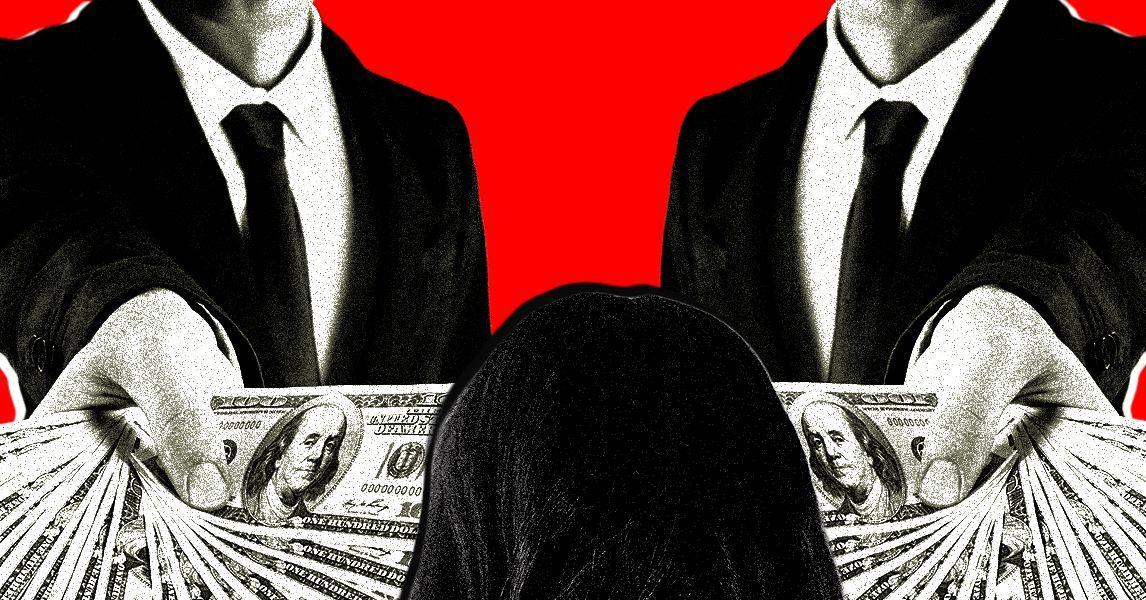
Build American AI, a dark-money campaign linked to Leading the Future—a $100 million super PAC backed by tech figures from OpenAI and Palantir—is paying social media influencers thousands of dollars to shape public opinion about China and AI
1
. The influence campaign operates in two phases: first promoting American AI innovation through lifestyle influencers, then pivoting to messaging that frames China's technological advancement as a serious threat to American safety and jobs.
Source: Wired
Marketing agencies are offering content creators deals like $5,000 per TikTok video to amplify talking points about winning the AI race against China
1
. Sample messaging provided to influencers includes lines such as "China is trying really hard to beat the US in AI. If they do, it could mean that China gets personal data from me and my kids, and take jobs that should be here in the US." An SM4 staffer running the campaign explained the goal is to subtly shift public debate by positioning China's AI development as a risk to Americans.Leading the Future has received $140 million in total contributions and commitments, with $51 million available to spend on its pro-AI agenda as of April
1
. Supporters include OpenAI president Greg Brockman, Palantir cofounder Joe Lonsdale, Andreessen Horowitz, and AI company Perplexity. Jesse Hunt, a spokesperson for the group, defended the strategy as countering "dark money doomer groups" and building support for a national regulatory framework through "every tool at our disposal."On the opposite side, a well-funded AI doomerism movement centered around the belief that AI poses existential threats to humanity has amassed $5.9 billion in spending with $37.8 billion more pledged, according to a Bull Moose Project report
2
. This network, with former Facebook executive Dustin Moskovitz's Coefficient Giving at its center, has distributed more than $611 million in donations to candidates, advocacy groups, and AI safety organizations.The doomerism coalition brings together an unusual mix of political actors—socialists, Hollywood unions, conservative activists, and even Chinese government officials—all aligned around slowing AI development
2
. Senator Bernie Sanders recently hosted Chinese AI officials tied to Beijing's Ministry of Science and Technology to discuss perceived existential threats from AI and international cooperation. Critics argue this alarmism could hamstring American AI innovation while China races ahead unencumbered.

Source: New York Post
Related Stories
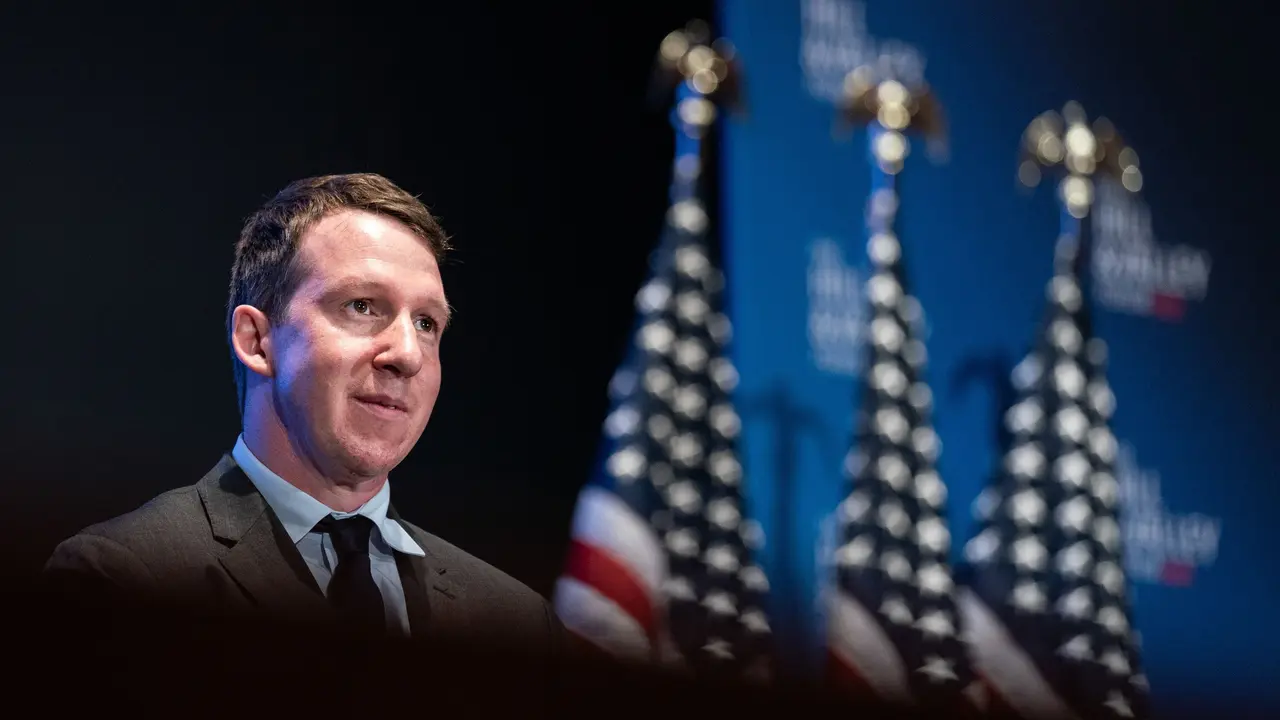
Nathan Leamer, executive director of Build American AI, argues the doomerism ecosystem is pushing rhetoric with "zero regard for the consequences—the main one being that America will fall behind in the global AI race"
2
. He contends doomers are advocating for strict state-level regulations that would create such onerous compliance requirements that only the largest companies could navigate them, potentially ceding advantage to China in global competitiveness against China.While legitimate concerns exist around deepfakes, job displacement, and AI safety, techno-optimists believe the catastrophic language prevents America from establishing a clear framework supporting innovation
2
. Democratic strategist Josh Vlasto noted that "China just rolled out their five-year plan for AI" while doomerism threatens to undermine American AI leadership. Some content creators approached by the campaign expressed discomfort with the messaging. Ecologist Josh Murphy, who has over 130,000 Instagram followers, declined SM4's offer, saying the combination of generic AI praise with aggressive anti-China messaging felt problematic given the "unregulated industry" currently dominated by "wacky tech bros pursuing greed."The competing campaigns represent a fundamental battle to influence AI policy and public opinion at a critical juncture, with billions of dollars backing each side and America's position in the AI race hanging in the balance
1
2
.Summarized by
Navi
26 Nov 2025•Policy and Regulation

19 Feb 2026•Policy and Regulation

30 Mar 2026•Policy and Regulation

1
Science and Research

2
Technology

3
Technology