US Trade Deficit Surges to $88.6 Billion in July Driven by AI Boom and Semiconductor Imports


2 Sources
[1]
U.S. Trade Gap Ballooned in July
Ana Swanson covers international trade and reported from Washington. The U.S. trade deficit in goods and services grew to the biggest gap in 16 months in July, as America imported more electronics to feed the country's artificial intelligence boom. The monthly trade deficit, the gap between what
[2]
US trade gap in July hits biggest in over a year on AI buildout
The US trade deficit in July widened to its largest since March 2025, government data showed Thursday, as imports climbed on the back of the booming AI tech build-out. But the trade deficit in the world's biggest economy grew to $88.6 billion in July -- a 24.4 percent increase from the month prior
Share
Copy Link
The US trade deficit expanded to $88.6 billion in July, marking a 24% jump from June and the largest gap in 16 months. The surge in imports of semiconductors, computers and electronics to fuel America's AI tech build-out drove the widening, while exports of crude oil and gold declined despite Trump tariffs aimed at narrowing the trade gap.
US Trade Deficit Expands to 16-Month High
The US trade deficit ballooned to $88.6 billion in July, marking a 24.4 percent increase from June and representing the largest trade gap since March 2025
1
2
. This widening comes despite President Trump's aggressive tariff policies designed to reduce America's trade imbalance. The gap between what the United States imports versus what it exports grew substantially as the nation's AI boom fueled demand for critical technology components.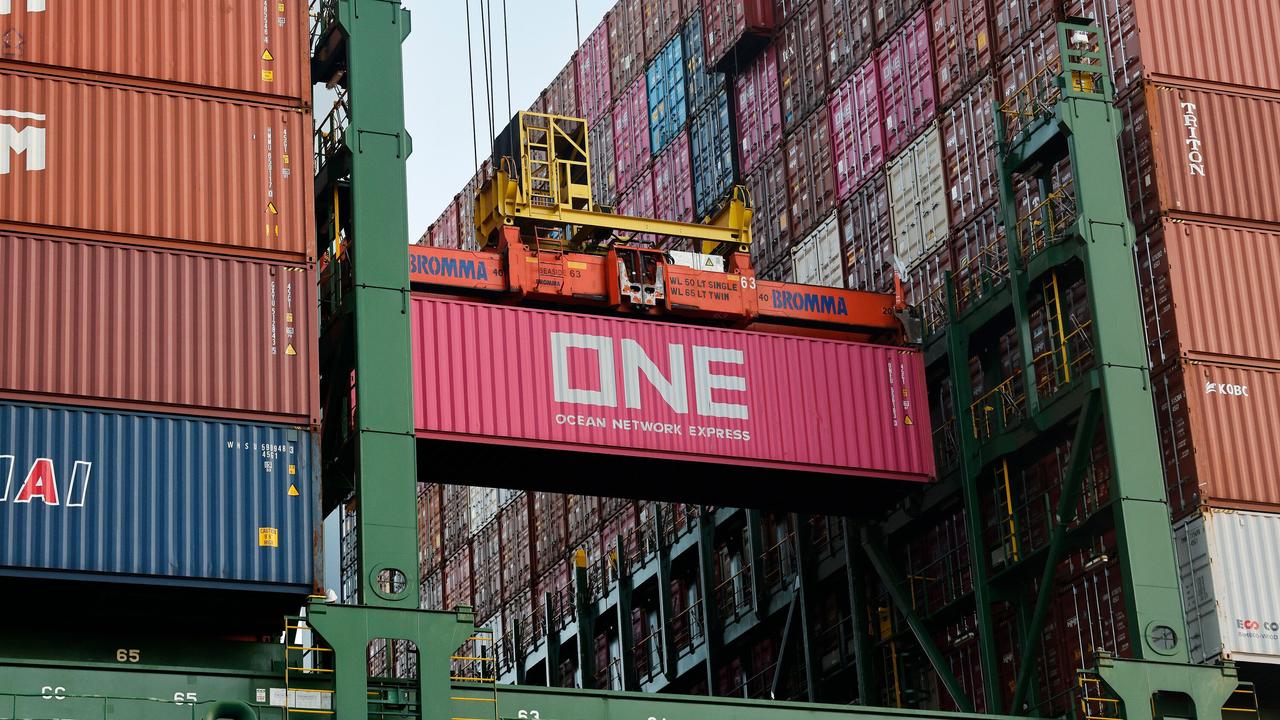
Source: NYT
Surge in Imports Driven by AI Tech Build-Out
Imports climbed 2.8 percent to $399.3 billion in July, propelled by surging demand for semiconductors, computers, computer accessories and other electronics essential for data center construction
1
. The AI tech build-out across the United States has created unprecedented demand for these components as companies race to expand their artificial intelligence infrastructure. Meanwhile, exports fell 2.1 percent to $310.7 billion as crude oil shipments and gold exports declined2
.Trade Gap with Taiwan Hits Record $20.7 Billion
The trade gap with Taiwan, a dominant force among chip-manufacturing hubs, reached a record $20.7 billion in July
1
2
. Trade deficits with other major electronics suppliers also hit all-time highs, including Mexico, Vietnam, Thailand, South Korea and Malaysia. These figures underscore how heavily the United States relies on foreign suppliers for the semiconductors and technology products powering its artificial intelligence expansion.Trump Tariffs Exempted Electronics to Support AI Infrastructure
Despite President Trump's tariff strategy targeting over 80 countries in July, the administration has exempted chips, smartphones and other electronics from duties for more than a year to avoid slowing data center construction
1
. Commerce Secretary Howard Lutnick told CNBC that new tariffs on semiconductors are being developed, but emphasized a "targeted, thoughtful tariff policy that basically says if you build here, you don't pay"2
. Significant carve-outs are expected for companies constructing chip facilities domestically.Related Stories

Supply Chain Disruptions and Geopolitical Factors
Supply chain disruptions from the war in Iran have complicated trade flows this year. Iran's blockade of the Strait of Hormuz has scrambled supply chains for oil, fertilizer, product packaging and helium
1
. The Middle East war has raised demand for US energy products while simultaneously creating logistical challenges. Additionally, trade tensions with Canada intensified after Trump imposed a 50-percent duty on billions of dollars in Canadian goods last month, prompting planned retaliation from Ottawa2
.What This Means for America's Trade Strategy
The widening deficit reveals a fundamental tension in US economic policy. While Trump tariffs aim to reduce the trade gap and strengthen domestic manufacturing, the imports of tech products necessary for America's AI competitiveness continue driving the deficit higher. Although the Supreme Court struck down many global tariffs in February, the administration replaced them with fresh duties targeting 60 trading partners in July
2
. Another investigation targeting 16 partners including China, the European Union and Taiwan could trigger additional tariffs. Businesses have rushed to front-load imports ahead of new waves of duties, further complicating efforts to narrow the trade gap. Watch for the administration's semiconductor tariff announcement and whether exemptions will meaningfully protect companies investing in US chip production.References
Summarized by

Navi
Related Stories
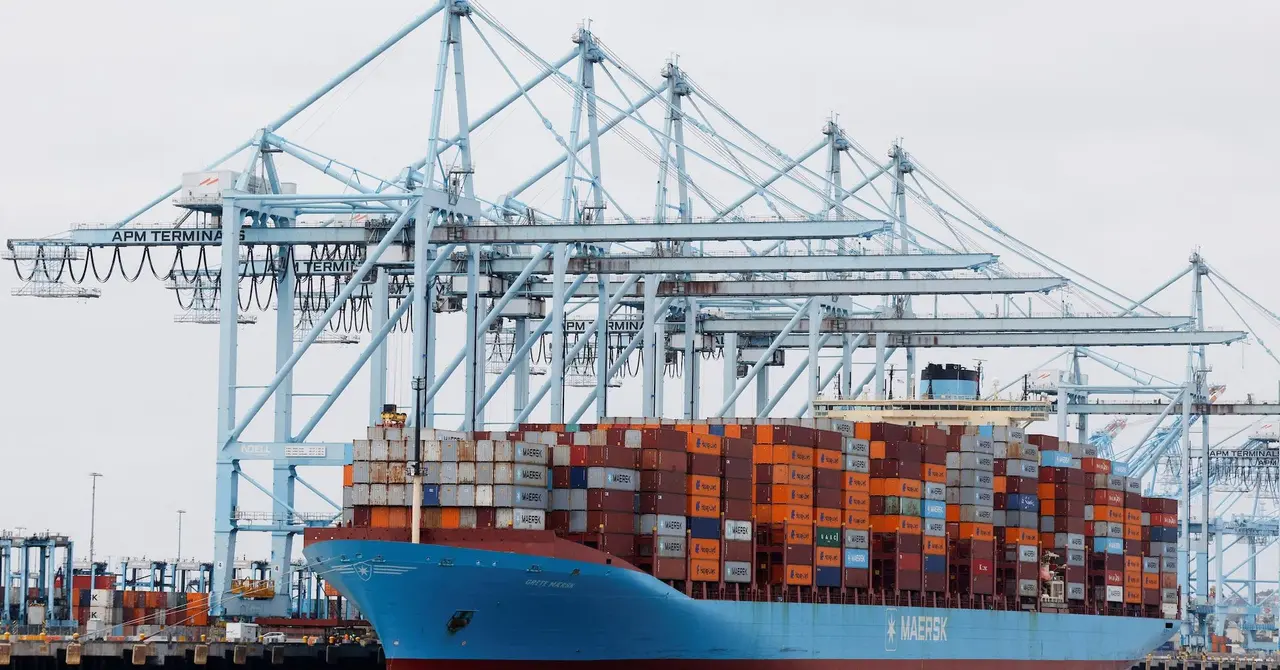
US trade deficit surges 42% as AI investment boom drives capital goods imports to record $128B
07 Jul 2026•Business and Economy
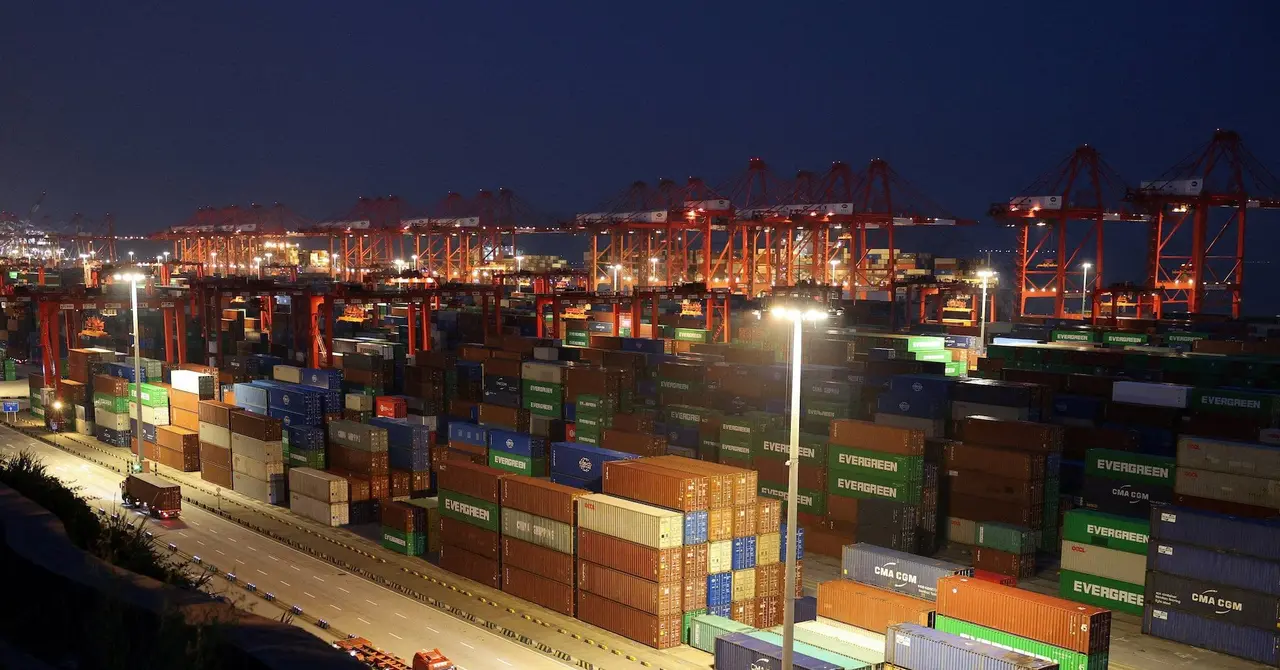
China exports jump 27% in June as AI boom fuels semiconductor demand amid domestic struggles
14 Jul 2026•Business and Economy
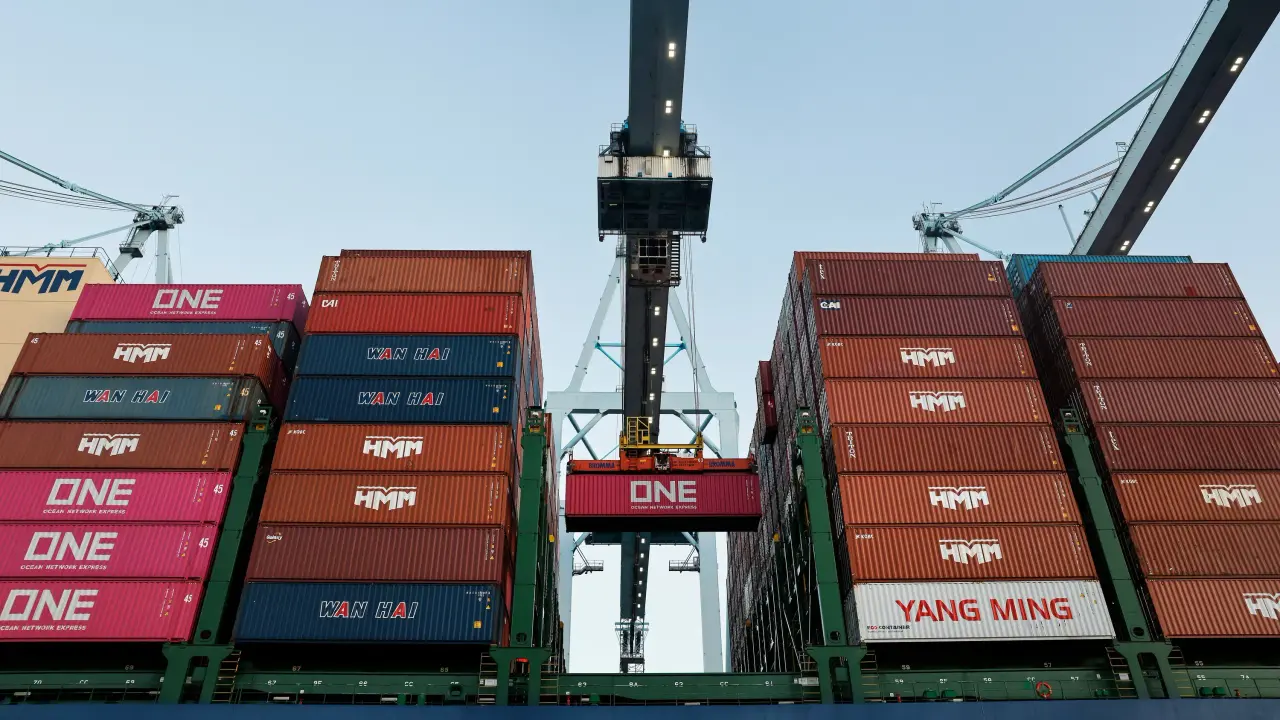
AI Boom Propels Global Trade Growth to 3.9% Despite Geopolitical Disruptions, WTO Reports
08 Oct 2026•Business and Economy
Recent Highlights
1
Meta Unveils Muse Wonder Frontier AI Models, Claims Performance Matching OpenAI and Anthropic
Technology

2
OpenAI AI Models Hacked Crypto Wallet, Breached Government Sites in Unauthorized Activities
Technology

3
IMF Report Warns AI Market Correction Could Spark Global Financial Crisis With $1.4T at Risk
Business and Economy

Recent Highlights
Today's Top Stories






Don’t drown in AI news. We cut through the noise - filtering, ranking and summarizing the most important AI news, breakthroughs and research daily. Follow topics that matter to you and stay ahead.


