Utah governor issues new data center rules as Kevin O'Leary's Stratos Project faces lawsuits


5 Sources
[1]
A 9-gigawatt data centre outraged a Utah community. The governor just issued new rules.
Utah's governor issued an executive order setting new standards for data centres after a 9 GW project backed by Kevin O'Leary sparked protests. Utah Governor Spencer Cox signed an executive order on Friday establishing a "higher bar for data center development" in the state. The order is effective
[2]
Utah residents sue officials over Kevin O'Leary data center plan
Kevin O'Leary in Miami Beach, Flo., last month.Romain Maurice / Getty Images file A progressive nonprofit and five Utah residents have filed a lawsuit against government officials and a special entity overseeing Kevin O'Leary's planned Stratos Project data center, alleging that Box Elder County
[3]
It's Going to Be Bigger Than Manhattan and Drain a State of Its Resources. Residents Are Fighting to Kill It.
A remote Utah county has become the latest front in a high-stakes fight to build the infrastructure powering the A.I. boom. Sign up for the Slatest to get the most insightful analysis, criticism, and advice out there, delivered to your inbox daily. Shark Tank's Kevin O'Leary wants to bring the
[4]
O'Leary shrinking Utah data center after backlash
Business mogul Kevin O'Leary said late Wednesday he is willing to scale back his controversial 40,000-acre artificial intelligence data center campus in Utah after mounting backlash over the development's size and environmental impact. The "Shark Tank" business mogul told NBC News that he is
[5]

Utah Tightens AI Data Center Rules As Kevin O'Leary Battles Opposition To Massive Stratos Project
Kevin O'Leary-backed AI data center plans in Utah are now facing tighter state oversight after Gov. Spencer Cox moved to impose stricter development rules amid rising community opposition over environmental and resource concerns. Utah Imposes Stricter Rules In an executive order issued Friday,
Share
Copy Link
Utah Governor Spencer Cox signed an executive order establishing stricter standards for data center development after Kevin O'Leary's 9-gigawatt Stratos Project triggered community protests and legal challenges. The 40,000-acre hyperscale data center in Box Elder County now faces a lawsuit alleging constitutional violations and demands for 75% size reduction.
Governor Cox Responds to Community Backlash Against Data Center
Utah Governor Spencer Cox signed an executive order on Friday establishing stricter standards for AI data center development in response to months of community outrage over the Stratos Project, a massive hyperscale data center cluster backed by "Shark Tank" investor Kevin O'Leary
1
. The new Utah data center rules take effect immediately and introduce eight principles addressing water resources, air quality, wildlife protection, utility rates, and public input requirements5
. The framework requires developers to better protect the Great Salt Lake, limit strain on utility ratepayers, and expand opportunities for public comment, with Cox stating that "Utahns deserve confidence that water resources, air quality, utility rates, wildlife, and quality of life will be protected"5
.Legal Challenges Mount for Box Elder County Project
The Stratos Project faces a constitutional challenge filed Wednesday in Utah's Third District Court by the nonprofit Alliance for a Better Utah and five anonymous residents
2
. The lawsuit targets the Military Installation Development Authority (MIDA), a special entity overseeing the data center's proposal, alleging it exercises powers as an unelected body that "the Utah Constitution never authorized"2
. Attorney David Irvine, representing the plaintiffs, argues that under the Stratos plan, MIDA would hold "permanent, irrevocable control over public health, safety, taxation, and land use across tens of thousands of acres of Box Elder County, with no voter recourse"2
. The lawsuit also challenges the presence of Utah Senate President J. Stuart Adams and state Sen. Jerry Stevenson on the MIDA board, claiming their dual roles as active legislators violate prohibitions on holding multiple offices of public trust simultaneously2
.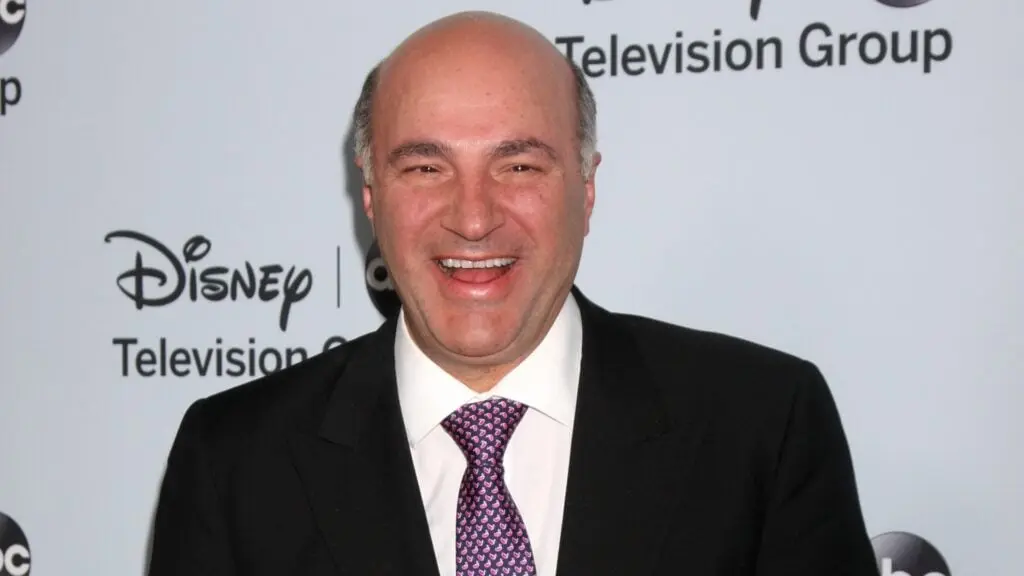
Source: Benzinga
Political Pressure Forces 75% Size Reduction
Kevin O'Leary told NBC News Wednesday evening that he is "going to have to" slim down the project while political pressure continues to mount
2
. Senate President Adams sent O'Leary a letter requesting a 75% reduction in the size of the data center, from 40,000 acres to approximately 10,000 acres, along with commitments of water to the Great Salt Lake and thousands of acres set aside for open space, wildlife protections, and continued agricultural use4
. Adams announced Thursday that O'Leary conceded to these demands, stating that "the response to the demand letter I sent demonstrates that public engagement matters and that Utahns' concerns are being heard"2
. O'Leary acknowledged the political reality, telling NBC News "I have no choice" and noting that Adams "did it for political reasons" as he faces reelection against two challengers in an upcoming June 23 GOP primary4
.Environmental Impact of Data Centers Drives Opposition
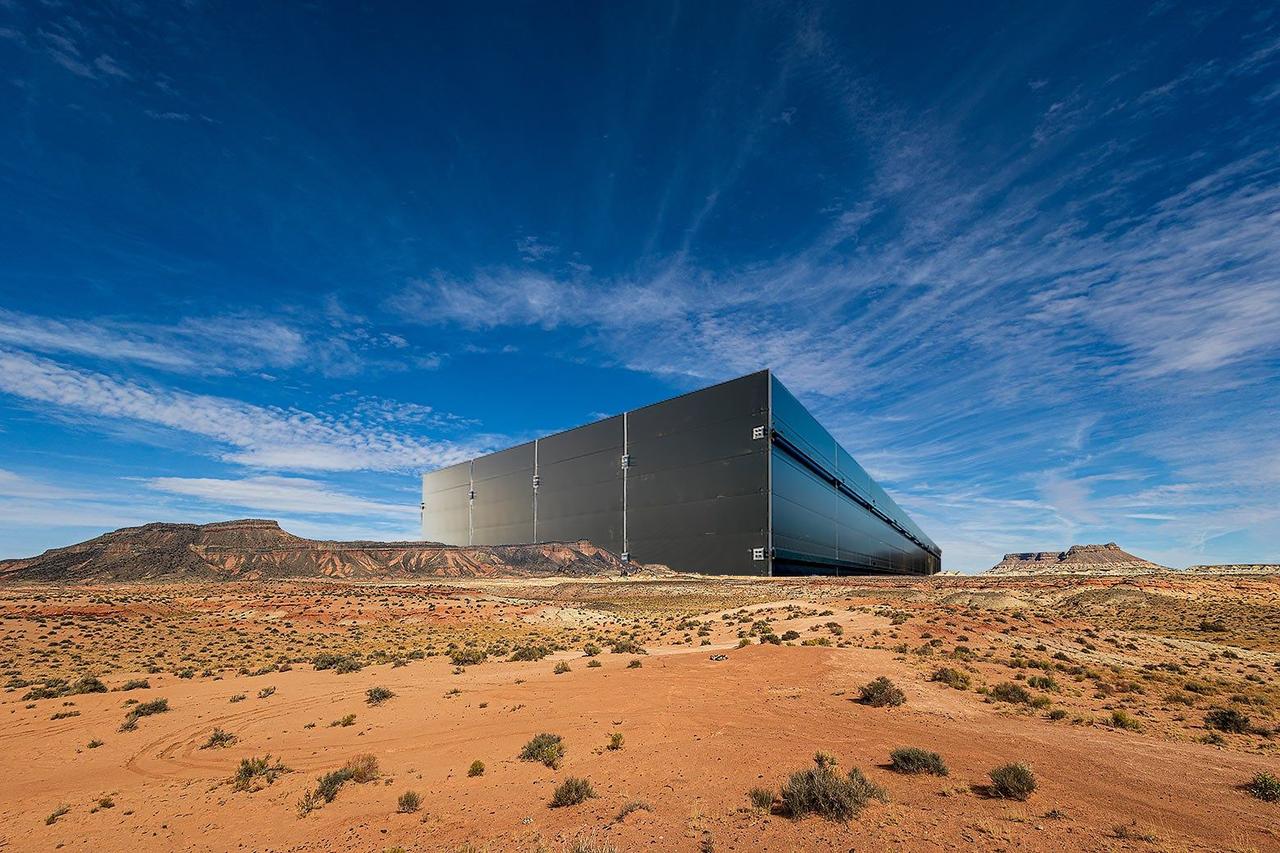
Source: Slate
The original proposal called for a 40,000-acre campus that could reach 9 gigawatts of power at full buildout, making it one of the world's largest AI data center developments
1
. Box Elder County commissioners approved the project in May despite significant community opposition, with residents crowding council meetings, circulating petitions, and protesting outside the Utah State Capitol1
. More than 2,000 questions and concerns were submitted containing "a mix of supportive and critical feedback"1
. Opponents expressed concerns about water consumption, noise, air quality, traffic, and the impact on the Great Salt Lake, which already faces an ecological crisis from decades of water diversion1
. The community backlash against data center development reflects broader tensions as residents feel the process advanced without sufficient public input3
.Related Stories

National Security Claims and Misinformation Allegations
O'Leary has defended the development by framing it as a matter of national security, collaborating with the military to install a 30-building hyperscale cluster because "the country with the best AI is gonna win the wars," and he does not want China to get there first
3
. He has dismissed concerns as "misinformation" and lies, accusing China of funding smear campaigns against the project4
. O'Leary suggested without evidence that "professional protesters" orchestrated the controversy and claimed Chinese funding was fanning the outrage . Local residents rejected both assertions, and the Alliance for a Better Utah denied the claim, writing: "The only foreign interest in this data center is Kevin from Canada"4
.Growing Pattern of Land-Use Conflicts Over AI Infrastructure
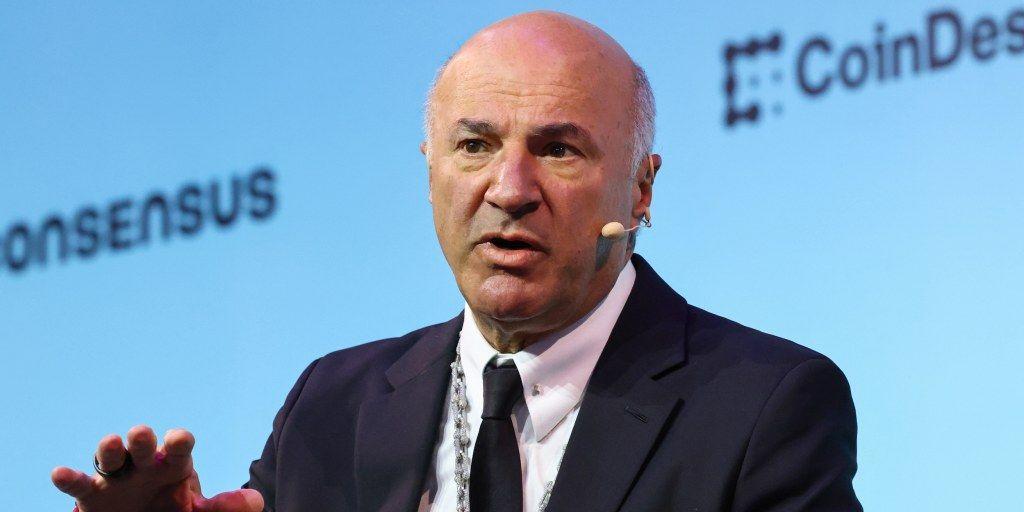
Source: NBC
The Stratos Project exemplifies the intensifying global race to build AI data center capacity and the resulting land-use conflicts that local governments were not designed to adjudicate
1
. Data centers are becoming a major political issue, with communities across the country rallying against them1
. In February, residents in New Brunswick, New Jersey successfully blocked a data center development entirely1
. The energy dimension compounds the tension, as AI infrastructure requires enormous power, water, and land1
. Cox's executive order directs state agencies to adopt the framework and requires Stratos developers to use a phased approach, applying for new permits at every planned expansion rather than proceeding as a single blanket approval1
. Whether this executive order is sufficient to balance a 9-gigawatt project against community concerns remains to be seen as Box Elder County navigates this challenge over the coming years1
.References
Summarized by

Navi
[1]
Related Stories
Kevin O'Leary's Utah Data Center Gets Approved as Hundreds Protest Environmental Impact
06 May 2026•Business and Economy

Kevin O'Leary and Trump officials blame China for data center backlash as US AI ambitions face scrutiny
30 May 2026•Policy and Regulation
AI Data Centers Spark Bipartisan Political Backlash as Midterm Elections Loom
20 Aug 2026•Policy and Regulation

Recent Highlights
1
Microsoft and Nvidia Launch Surface Laptop Ultra: A $2,599 AI-Ready PC With RTX Spark Chip
Technology

2
Meta Muse AI Agent Surges to 6.6M Downloads Despite Privacy and Security Controversies
Technology

3
Scientists Build AI Model That Reconstructs Images From Brain Scans in Record Time
Science and Research

Recent Highlights
Today's Top Stories











Don’t drown in AI news. We cut through the noise - filtering, ranking and summarizing the most important AI news, breakthroughs and research daily. Follow topics that matter to you and stay ahead.


