Share
Linkedin
Twitter
Facebook
Whatsapp
Copy Link
AMD's new Radeon AI PRO R9700, based on RDNA4 architecture, offers high-performance AI capabilities at a competitive price point. The GPU is designed for AI workloads and competes with NVIDIA's offerings in the professional market.
Elon Musk announces Tesla will dual-source its next-generation AI5 chips from both Samsung and TSMC, with production taking place in the US. Musk claims Samsung's Texas fab has more advanced equipment than TSMC's Arizona facility.
Tesla announces its next-generation AI5 chip, promising significant performance improvements and a dual-foundry manufacturing approach. The chip will be used in Tesla's vehicles, robots, and data centers, complementing existing Nvidia hardware.
Biotech startup Metagenomi has leveraged AWS's Inferentia 2 accelerators to significantly reduce costs and accelerate gene-editing research. The collaboration highlights the potential of custom AI chips in biotechnology applications.
General Motors announces a major overhaul of its vehicle architecture, focusing on AI and automated driving capabilities. The new system, set to debut in 2027, promises faster software updates, more advanced features, and improved performance across both electric and gas-powered vehicles.
Google's Quantum AI team has developed a new algorithm called Quantum Echoes, demonstrating a significant advancement in quantum computing. The algorithm, running on Google's Willow chip, outperforms classical supercomputers by a factor of 13,000 and shows potential for real-world applications in molecular analysis.
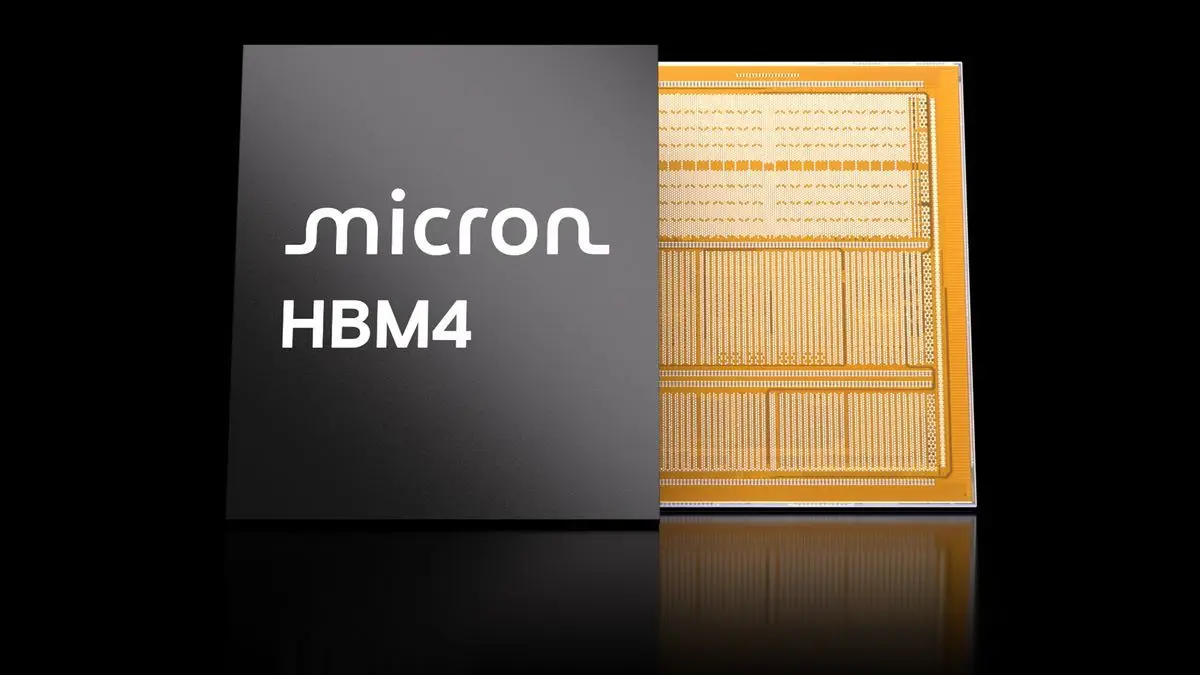
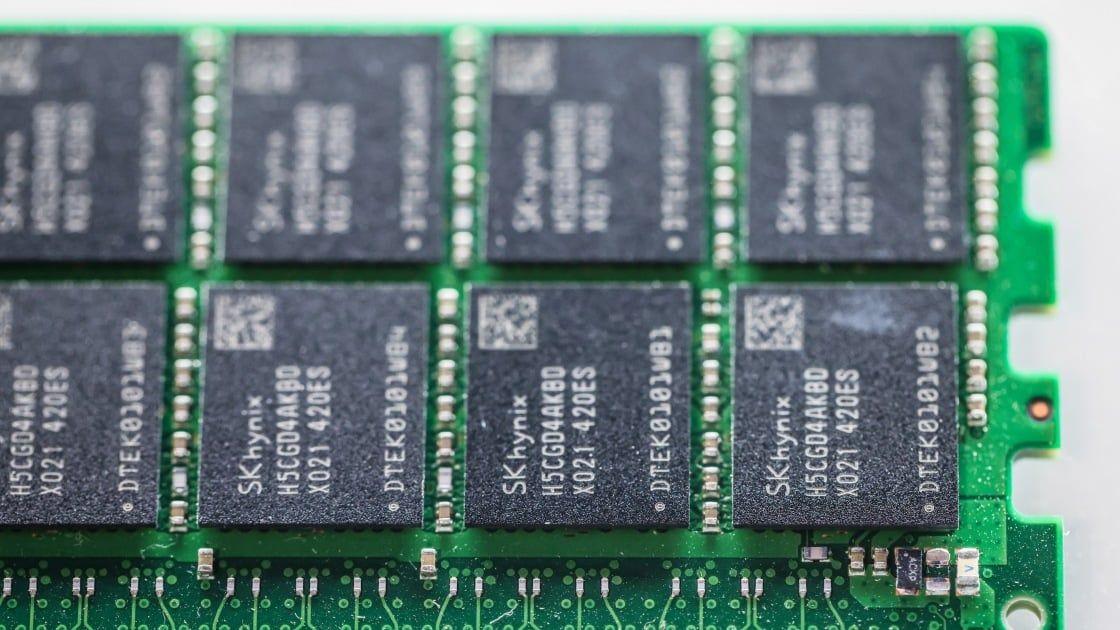
Samsung and SK hynix showcase their latest HBM4 memory chips at the 2025 Semiconductor Exhibition (SEDEX) in Seoul, signaling an impending competition in the AI chip market. The event highlights the growing importance of high-bandwidth memory in AI acceleration.
Anthropic signs a multi-billion dollar deal with Google Cloud for access to up to 1 million TPU chips, aiming to achieve over 1 gigawatt of AI computing capacity by 2026. This strategic partnership highlights the intense competition for AI infrastructure in the tech industry.
Arm Holdings is expanding its Flexible Access licensing program to include its Armv9 edge AI platform. This move aims to attract startups and device makers developing on-device AI by lowering entry barriers and accelerating design cycles.
Samsung's upcoming Exynos 2600 chip shows promising performance, potentially outperforming Apple and Qualcomm. The Galaxy S26 Ultra might feature this powerful in-house processor, marking a significant shift in Samsung's chip strategy.
Microsoft is reportedly planning to use Intel Foundry's advanced 18A semiconductor process for its next-generation Maia 3 AI accelerator. This move highlights Intel's growing role in high-performance chip manufacturing and its push into the AI hardware market.
IBM and Groq announce a strategic partnership to enhance AI deployment for enterprises. The collaboration aims to speed up the implementation of agentic AI by integrating Groq's hardware-accelerated inference technology with IBM's watsonx Orchestrate platform.
Foxconn, a key NVIDIA partner, has begun developing the next-generation Vera Rubin NVL144 MGX AI servers. Mass production is slated for late 2026, signaling NVIDIA's aggressive AI product timeline and Foxconn's growing dominance in the AI server market.
Nvidia CEO Jensen Huang reveals the company's complete exit from the Chinese AI market due to U.S. export controls. The tech giant's market share has dropped from 95% to 0%, raising concerns about the impact on both American and Chinese tech industries.
Nvidia and TSMC have produced the first Blackwell wafer in the US, signaling a shift in semiconductor manufacturing. While this marks a significant step towards American chip production, the process still requires completion in Taiwan.
Donβt drown in AI news. We cut through the noise - filtering, ranking and summarizing the most important AI news, breakthroughs and research daily. Follow topics that matter to you and stay ahead.