Share
Linkedin
Twitter
Facebook
Whatsapp
Copy Link
Elon Musk's X has agreed to review illegal hate speech and terrorist content within 24 hours on average, restrict UK access to proscribed groups, and report quarterly to Ofcom. The deal follows months of regulatory pressure, but a separate investigation into Grok AI's deepfake capabilities remains active.
A conceptual artist posted an authentic Claude Monet painting from his Water Lilies series on X, claiming it was AI-generated art. The social experiment drew 6.7 million views and hundreds of detailed critiques attacking the work's composition, color choices, and depth—until the reveal exposed how labels shape artistic perception more than the actual artwork itself.
The Rolling Stones released their music video for In the Stars, showcasing deepfake technology from AI company Deep Voodoo to digitally de-age Mick Jagger, Keith Richards, and Ronnie Wood to their 1970s appearance. The video marks another high-profile use of AI-assisted de-aging in entertainment, raising questions about the technology's growing role in filmmaking.
Netflix is building INKubator, a new internal studio dedicated to creating short-form animated content using generative AI. The streamer is hiring producers, software engineers, and CG artists for what job listings describe as a next-generation animation studio. While starting with shorts and specials, the studio has ambitions to expand into longer-form content, potentially feeding Netflix's TikTok-style Clips feature and kids' programming.
Japanese director Koji Fukada voiced concerns about artificial intelligence in art at the Cannes Film Festival, arguing that AI tools allow creators to bypass the essential process of creation. His new film Nagi Notes, competing for the Palme d'Or, explores the human process of sculpting as a counter-narrative to AI-driven shortcuts in creative work.
Recreate Games announced a $75,000 AI video contest requiring entries to use generative AI tools, sparking immediate fury from the Party Animals community. The game was review-bombed on Steam, dropping to "Mostly Negative" ratings. After an initial poll asking whether to proceed, the studio fully cancelled the contest and apologized for overlooking the harm caused by promoting AI-generated content over human creativity.
Watch enthusiasts spent a week captivated by AI-generated images of colorful Royal Oak wristwatches that never existed. When Swatch and Audemars Piguet revealed their actual Royal Pop collaboration—a pocket watch collection priced at $400-$420—many fans felt disappointed. The incident exposes how generative AI has fundamentally altered traditional marketing strategies and hype cycles.
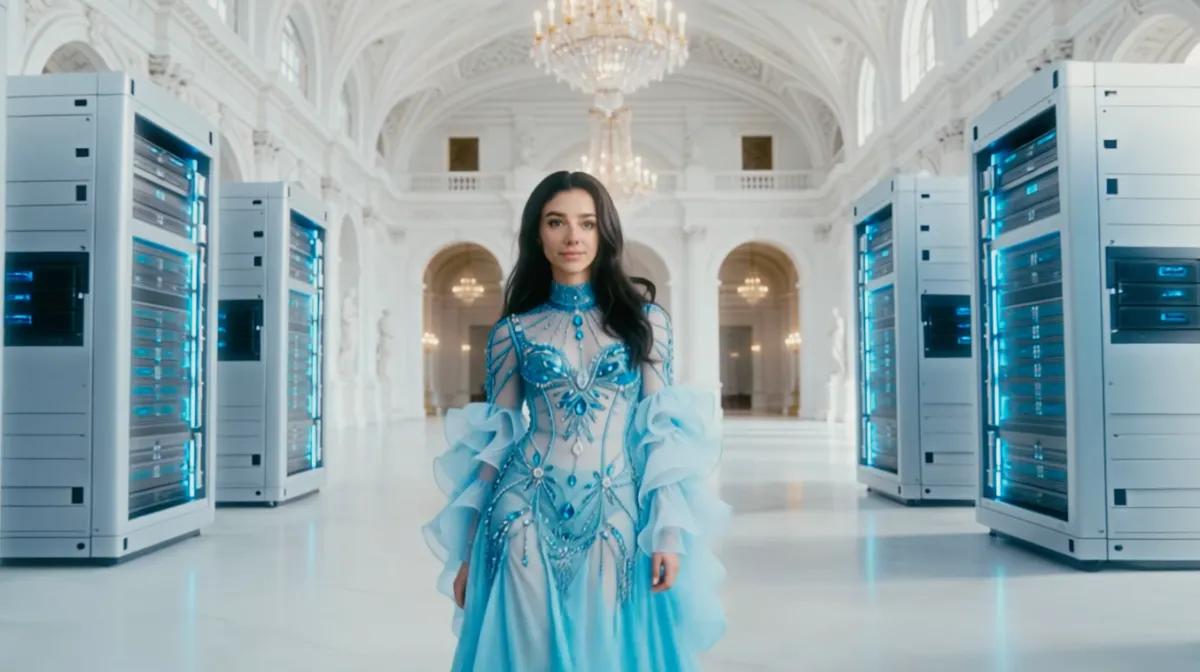
Hollywood's biggest names are backing a new standard that lets people control how AI systems use their likeness and creative work. The Human Consent Standard, overseen by nonprofit RSL Media, builds on Really Simple Licensing to give everyone—not just celebrities—the power to set permissions for AI training. A public registry launches in June to verify identities and translate consent into machine-readable signals.
Demi Moore called on the film industry to work with artificial intelligence rather than resist it, warning that fighting AI is a losing battle. Speaking at the Cannes Film Festival as a jury member, she acknowledged the industry may not be doing enough to safeguard from AI, while emphasizing that technology can never replace the human soul and creativity at art's core.
Apple is introducing AI-generated video presenters in its Sales Coach app to deliver personalized training content to retail salespeople worldwide. The move addresses the challenge of creating individualized content for hundreds of thousands of employees across different markets, languages, and product focuses. While AI handles delivery, Apple's training team continues to write and verify all content.
Neowiz's Round8 Studio is hiring an AI Creator to use generative AI tools like Midjourney and Stable Diffusion for asset creation and concept art. While the studio says the role won't directly involve the Lies of P sequel, the job listing reveals plans to integrate AI throughout the art production pipeline, drawing backlash from the gaming community concerned about artistic integrity.
Google's unannounced Gemini Omni video generation model has surfaced through early user demos, showing impressive capabilities in creating realistic AI video content. The leaked footage reveals an AI-powered video generation tool that handles complex prompts with lifelike results, though users report hitting 86% of their daily limits after just two videos on the $20-per-month Google AI Pro plan.
Frame Security emerged from stealth with $50 million in funding to tackle the surge in AI-powered social engineering and deepfake attacks. Founded by Israeli Unit 8200 veterans, the startup offers an AI-driven platform that replaces outdated security awareness methods with realistic attack simulations and personalized training, aiming to strengthen the human element in cybersecurity as 90% of breaches still involve human error.
A new report from Thales reveals that bots now account for 53% of all internet traffic, up from 51% in 2024, while human activity has dropped to 47%. More alarming, AI-driven bot attacks have surged 12.5 times compared to the previous year, with malicious bots alone making up 40% of all web traffic. The findings highlight how automated systems are fundamentally reshaping the modern web.
The Delhi High Court granted interim personality rights protection to Aman Gupta, boAt co-founder and Shark Tank India judge, restraining 44 defendants from unauthorized digital misuse of his identity. The ruling addresses AI deepfakes, fake profiles, and commercial exploitation, marking a significant expansion of personality rights to new-age entrepreneurs in India's evolving digital legal framework.
Don’t drown in AI news. We cut through the noise - filtering, ranking and summarizing the most important AI news, breakthroughs and research daily. Follow topics that matter to you and stay ahead.