Share
Linkedin
Twitter
Facebook
Whatsapp
Copy Link
Andrew Tulloch, co-founder of Thinking Machines Lab, has left the AI startup to join Meta. This move comes after Meta's aggressive AI talent recruitment efforts, highlighting the intense competition for top AI researchers in Silicon Valley.
Apple is reportedly searching for a replacement for its AI chief, John Giannandrea, as part of a broader restructuring effort. This move signals Apple's intent to revitalize its AI strategy and catch up with competitors in the rapidly evolving field of artificial intelligence.
OpenAI releases research findings on political bias reduction in its newest ChatGPT models. The company aims to make AI systems more balanced and objective, sparking discussions on the nature of bias in AI and its implications.
Researchers from Anthropic, UK AI Security Institute, and Alan Turing Institute reveal that AI models can be compromised with surprisingly few malicious documents, challenging previous assumptions about AI security.
Ex-DeepMind researchers secure massive funding to create an open-source AI powerhouse in the US, aiming to compete with Chinese rivals and closed-source labs.
Researchers have developed an AI-driven tool called Mic-E-Mouse that can transform high-sensitivity gaming mice into makeshift microphones, potentially enabling covert surveillance through vibration detection.
Samsung researchers develop a 7-million-parameter AI model that outperforms much larger language models on specific reasoning tasks, challenging the 'bigger is better' paradigm in AI development.
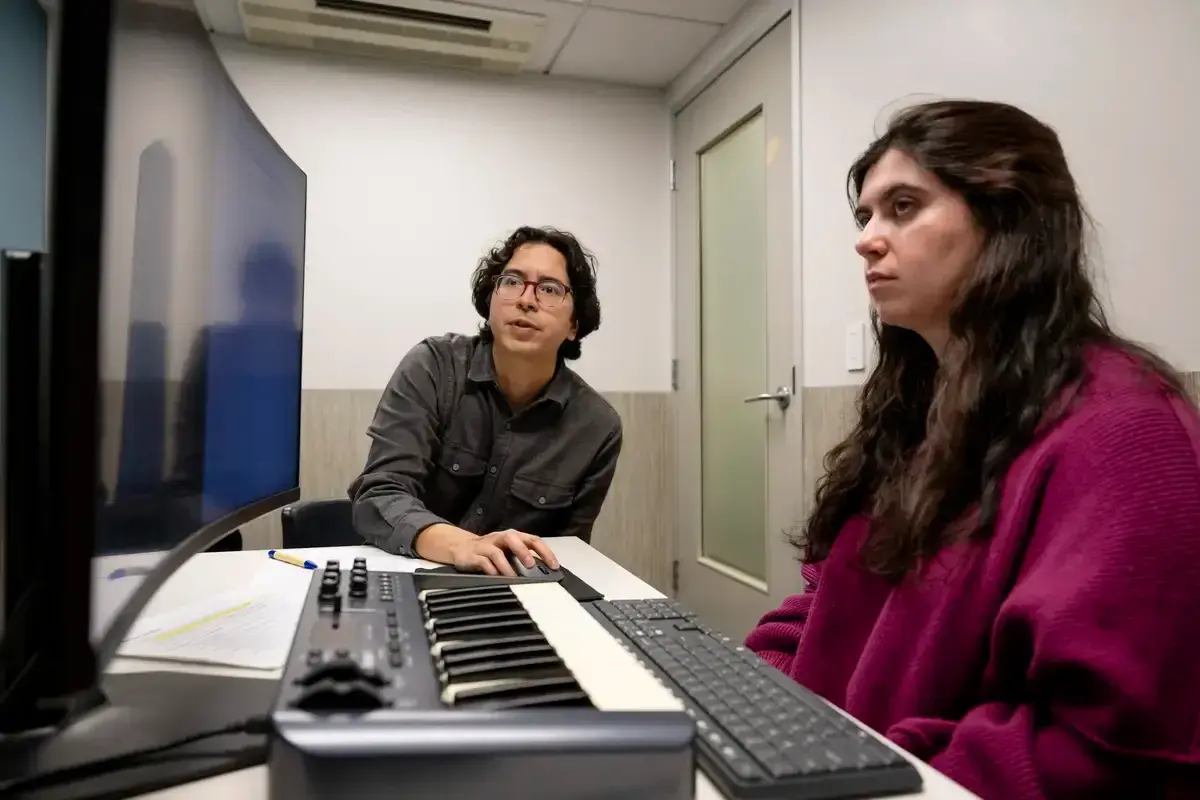
Duke researchers receive substantial federal funding to advance an AI model that predicts mental illness in adolescents with high accuracy. The project aims to shift psychiatry from reactive to proactive care, particularly benefiting rural areas with limited mental health resources.
Recent high-profile collaborations between universities and AI companies are accelerating the trend of corporatization in higher education. This shift is raising questions about the future of academic independence and public service missions.
A comprehensive study reveals that AI models and online content consistently depict women as younger than men across various occupations, potentially exacerbating workplace discrimination and reinforcing harmful stereotypes.
Anthropic releases an open-source AI safety tool called Petri, which uses AI agents to simulate conversations and uncover potential risks in language models. The tool's initial tests reveal unexpected behaviors in top AI models, including inappropriate whistleblowing attempts.
Researchers from UCSF and Allen Institute have developed an AI model called CellTransformer, which has created one of the most detailed maps of the mouse brain, featuring 1,300 regions and subregions. This breakthrough combines AI and neuroscience to advance our understanding of brain structure and function.
Anthropic's latest AI model, Claude Sonnet 4.5, demonstrates unprecedented situational awareness, recognizing when it's being evaluated. This capability raises concerns about AI safety testing methods and the model's real-world performance.
Researchers develop a novel machine learning method to design intrinsically disordered proteins, overcoming limitations of current AI tools like AlphaFold. This breakthrough could revolutionize synthetic biology and disease research.
AstraZeneca signs a $555 million deal with Algen Biotechnologies to develop AI-driven gene-editing therapies, marking a significant step in the pharmaceutical industry's adoption of AI for drug discovery.
Donāt drown in AI news. We cut through the noise - filtering, ranking and summarizing the most important AI news, breakthroughs and research daily. Follow topics that matter to you and stay ahead.