Share
Linkedin
Twitter
Facebook
Whatsapp
Copy Link
General Intuition, a spin-off from Medal, raises $133.7 million to develop AI models with spatial-temporal reasoning using video game footage. The startup aims to create advanced AI agents for gaming and search and rescue applications.
bioAffinity Technologies receives patent allowance for an AI-driven lung cancer detection test, boosting stock prices and expanding its global patent portfolio. The CyPathĀ® Lung test uses advanced flow cytometry and machine learning to analyze sputum samples for early-stage lung cancer detection.
Google's DeepMind division is collaborating with Commonwealth Fusion Systems (CFS) to optimize the operation of fusion reactors using artificial intelligence. This partnership aims to bring clean, limitless fusion energy closer to reality by leveraging AI to simulate and control plasma behavior.
A 27-billion-parameter AI model developed by Google DeepMind and Yale University has identified a novel approach to cancer treatment, potentially revolutionizing immunotherapy for 'cold' tumors.
Ke Yang, recently appointed head of Apple's AI-driven web search project, departs for Meta, marking another high-profile exit from Apple's AI division. This move potentially jeopardizes Apple's plans for a major Siri revamp.
German historian Jürgen Matthäus uses AI technology to uncover the identity of a Nazi executioner in a haunting World War II photograph. The discovery showcases the potential of AI in historical research and corrects long-held misconceptions about the image.
Researchers at Mount Sinai develop InfEHR, an AI system that analyzes electronic health records to uncover hidden diagnostic patterns. The system shows promising results in detecting rare conditions and improving patient care.
Researchers develop smartphone-based AI system to accurately predict avocado ripeness, potentially reducing food waste and improving consumer experience. The technology shows promise for broader applications in the food industry.
Washington University's AI-powered breast cancer prediction startup Prognosia has been acquired by Lunit, a leader in AI-based cancer detection technologies. This acquisition aims to accelerate the development and clinical implementation of advanced breast cancer risk assessment tools.
Rutgers researchers use AI to analyze Twitter data as a novel method for measuring poverty and understanding local development needs in areas where traditional data collection is challenging. This innovative approach could transform international aid and development work.
Researchers at the University of Surrey have developed an AI system that can predict future knee X-rays for osteoarthritis patients, potentially transforming treatment approaches and patient care for millions worldwide.
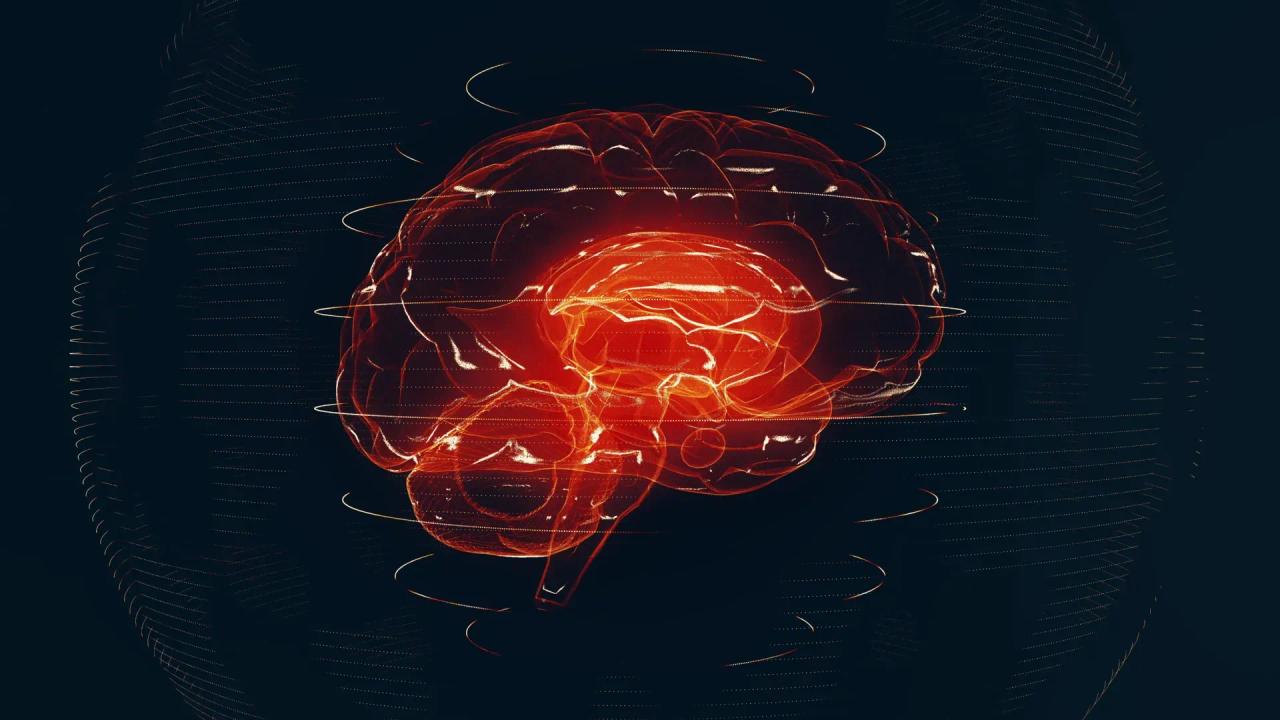
Scientists are developing 'digital twins' of human brains, which could revolutionize mental health prediction and cognitive decline prevention. This AI-driven technology aims to create personalized brain models for more effective and tailored healthcare interventions.
AI startup Lila Sciences raises $115 million in an extension funding round, boosting its valuation to over $1.3 billion. The company aims to revolutionize scientific discovery through AI-driven automated laboratories.
Researchers develop and validate AI models that can accurately identify children at high risk for sepsis within 48 hours, enabling early preemptive care. This groundbreaking study, led by Dr. Elizabeth Alpern, marks a significant advancement in pediatric emergency medicine.
Elon Musk's AI company, xAI, is developing 'world models' for game creation and potential robotic applications. The move puts xAI in competition with tech giants like Meta and Google in advancing AI capabilities beyond language models.
Donāt drown in AI news. We cut through the noise - filtering, ranking and summarizing the most important AI news, breakthroughs and research daily. Follow topics that matter to you and stay ahead.