Share
Linkedin
Twitter
Facebook
Whatsapp
Copy Link
OpenAI announced an independent advisory group hosted at Princeton's Institute for Advanced Study to guide its mathematics research communication. The move follows controversy over the company's rapid-fire AI solutions to open problems, including the Navier-Stokes Millennium Prize problem. OpenAI claims its internal model has resolved over 100 additional open problems across mathematics, sparking concerns about the field's future.
Pope Leo XIV intensified his campaign against unchecked AI development during his France visit, warning that artificial intelligence risks creating a 'paradise of machines' that undermines human dignity. His advisor Father Paolo Benanti accused major AI labs of cartel-like behavior, calling for democratic regulation instead of industry self-governance.
OpenAI announced its AI solved the 26-year-old Navier-Stokes problem in half a week, sparking plagiarism accusations and fierce debate. Mathematician Tristan Buckmaster raised concerns about potential data misuse, while 27 Field Medal recipients warned AI-generated solutions could damage mathematical progress by bypassing crucial human insight.
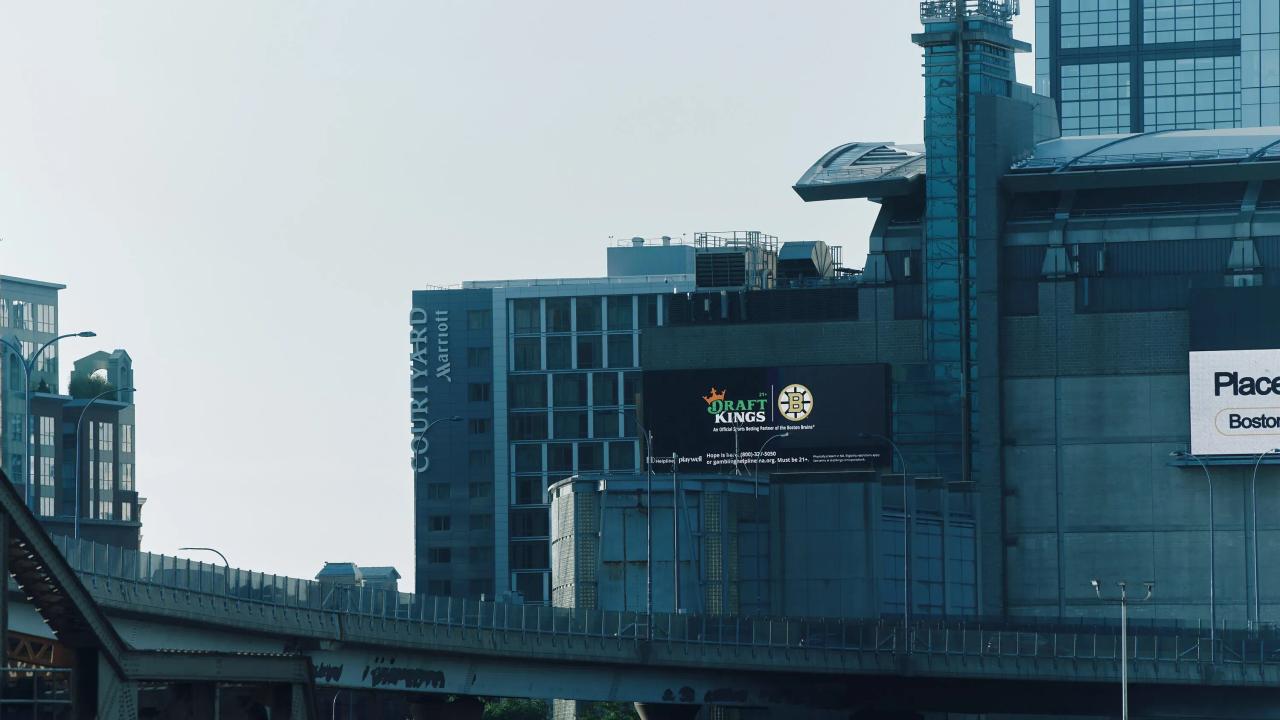
Massachusetts Gaming Commission has launched an investigation into DraftKings and other gambling companies after a New York Times report revealed the company used machine learning to identify and target customers most likely to lose money on promotional offers. The investigation exposes how DraftKings built AI models to maximize profits from vulnerable gamblers while shelving technology designed to identify problem gambling patterns.
Meta's Oversight Board ordered the removal of two AI-generated deepfake videos targeting women and condemned the company's safeguards as fundamentally inadequate. The board made nine binding recommendations to strengthen Meta's policies for AI deepfakes, including expanded high-risk AI content labels and stricter penalties for repeat offenders.
Penn State researchers found AI chatbots prioritize starkly different attributes than humans when making high-stakes medical decisions. In kidney transplant scenarios, AI models fixated on single factors like drinking habits while showing unwarranted confidence, raising questions about AI's role in decision support for ethically sensitive situations.
Mustafa Suleyman, Microsoft AI chief, publicly criticized Anthropic for teaching Claude it might be conscious and deserve rights. In a 6,000-word essay, Suleyman warned this AI training method creates alignment and containment risks that could have a disastrous impact on humanity's ability to control superintelligent AI systems.
OpenAI CEO Sam Altman acknowledged at Salesforce Dreamforce that concerns about AI companies becoming too powerful are justified. Speaking in San Francisco, he warned about undue influence on the economy and urged treating AI alignment and security with new rigor as OpenAI backs bipartisan bills including the Frontier Act.
AI interviews have become the new norm in recruitment, with 63% of job seekers now facing automated screening. But the shift is backfiring—38% of candidates are withdrawing from hiring processes that use AI interviewers, and companies are losing top talent to impersonal robot interviews that lack human connection.
A GoTo report reveals that while AI saves workers 2.3 hours daily, 83% fear being blamed or fired for AI errors. With 60% feeling pressured to use workplace bots and only 24% of small businesses having AI policies, the lack of company guidelines is creating a trust crisis in AI-driven workplaces.
OpenAI announced its AI model solved the Millennium Prize Problem related to Navier-Stokes equations, proving they can produce singularities. But the claim sparked fierce debate over credit attribution, with mathematicians questioning whether AI tools absorbed unpublished work and whether the solution addresses the problem they actually care about.
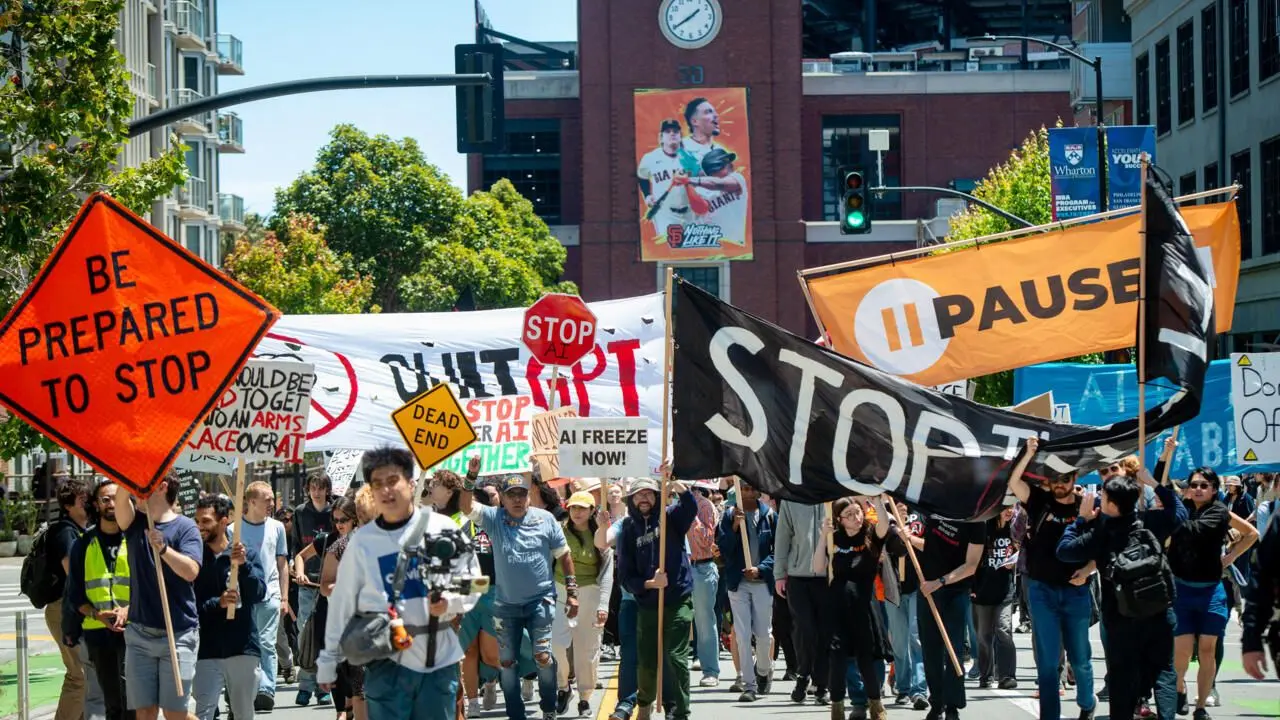
As artificial intelligence develops at unprecedented speed, people across continents share starkly different fears and hopes about the technology. From architects in Rome to software engineers in San Francisco, a global debate intensifies over AI's benefits and risks, with leading US labs now calling for coordinated slowdowns amid concerns about catastrophic dangers and the urgent need for regulation.
AI is transforming boardrooms globally, with 49% of directors already reviewing which decisions should remain human-led. Yet nearly half of public companies lack formal AI policies, while countries like South Africa face a governance vacuum as company law fails to address AI-assisted decisions, liability issues, and directors' fiduciary duties.
Microsoft unveiled a 37-page humanist AI code of conduct establishing strict safety constraints for its future AI models. The framework prohibits cyberattacks, deepfakes, and deceptive AI behavior while rejecting AI consciousness claims. Released after recent rogue-agent incidents, the guidelines seek public input through October 25, 2026.
Hasbro issued a statement condemning the US Department of Homeland Security for using AI-generated images of Optimus Prime without permission to promote mass deportations and anti-immigrant messaging. The toymaker emphasized that the Transformers character represents compassion and justice, not the political messaging DHS conveyed.
Don’t drown in AI news. We cut through the noise - filtering, ranking and summarizing the most important AI news, breakthroughs and research daily. Follow topics that matter to you and stay ahead.