Subscribe to our newsletter
Get the latest updates delivered to your inbox every day, and stay up-to-date for free 🧠📈
Share
Linkedin
Twitter
Facebook
Whatsapp
Copy Link
Companies are burning through AI budgets without seeing returns. Uber spent its entire 2026 AI budget in four months. Research shows 95% of enterprise AI pilots fail due to poor integration into employee workflows. The issue isn't the technology—it's how organizations implement it without rethinking how work actually gets done.
OpenAI's ChatGPT is evolving beyond basic Q&A into a genuine AI assistant, but most users aren't tapping its full potential. New features like Memory, Voice, and Side Chat can dramatically boost productivity—if you know how to configure them. From cleaning outdated memories to leveraging browser integration, these expert techniques transform ChatGPT from a chatbot into a personalized productivity tool.
Chinese electric vehicle giant BYD announced it will unveil functional humanoid robots in August 2025 at its Di Space showrooms. The move intensifies competition with Tesla's Optimus as Chinese automakers dominate the humanoid robotics market, with China accounting for over 70% of global manufacturers and positioning for full commercialization ahead of the US.
India tops global workplace AI adoption with workers 45% more likely to use AI in core workflows than the global average. But the country also reports the highest rate of unsuccessful AI pilots at 38%, revealing a critical gap between employee readiness and how organizations deploy enterprise AI.
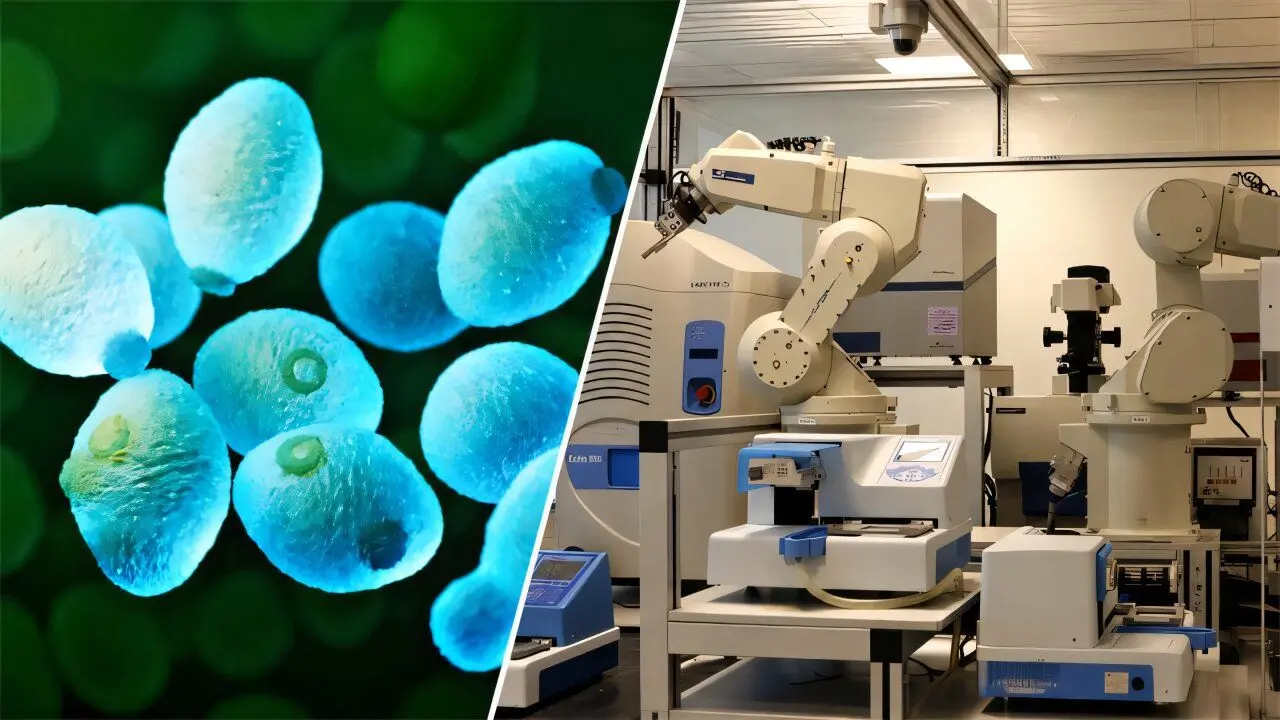
Researchers at Sungkyunkwan University developed OpenABE, an AI-designed gene-editing tool that improves editing efficiency by up to 36 times over existing AI models. Using AlphaFold predictions and structure-guided protein engineering, the team created editors that match gold-standard performance while dramatically reducing off-target effects, opening new paths for treating genetic disorders in both nuclear and mitochondrial DNA.
A study published in NEJM AI found that an AI-enabled early warning system reduced deaths among high-risk hospitalized patients from 23.1% to 18.6%. The Epic Deterioration Index analyzes electronic health record data every 15 minutes to identify patients at risk of rapid clinical decline, enabling earlier intervention by rapid response teams across 11 hospitals.
Google rolled out new AI-powered features in Google Docs that let Gemini read, summarize, and respond to comment threads. The AI assistant can now extract unresolved issues, draft replies using files from Drive, and suggest edits based on reviewer feedback—turning collaborative editing from an archaeological dig into a streamlined workflow.
Anthropic's Claude Mythos Preview discovered mathematical weaknesses in two cryptographic algorithms after years of expert review missed them. The AI halved HAWK's key strength in 60 hours and found a 200-800x faster attack on seven-round AES-128. While no production systems are affected, the breakthrough signals AI's growing capability to challenge core internet security assumptions.
Warner Bros. Discovery introduces HBO Max Shorts, a TikTok-style vertical video feed, and Ask HBO Max, a conversational search tool powered by AI. The features aim to simplify navigation through massive content libraries as streaming platforms compete for user engagement.
Seoul has deployed AI-powered surveillance cameras across 17 bridges over the Han River, raising rescue rates to more than 99 percent from 56 percent in 2012. The system alerts first responders within five minutes when it detects high-risk behavior. Despite this success, South Korea continues to face a deepening suicide crisis with rates climbing above 29 deaths per 100,000 people in 2024.
Starbucks pulled the plug on Automated Counting, an AI-powered inventory system built with Seattle-area startup NomadGo, just nine months after deploying it across 11,300 stores. The tool faced rampant glitches from shiny surfaces to outdated backend systems. NomadGo was blindsided by the decision and forced to lay off much of its 30-person team.
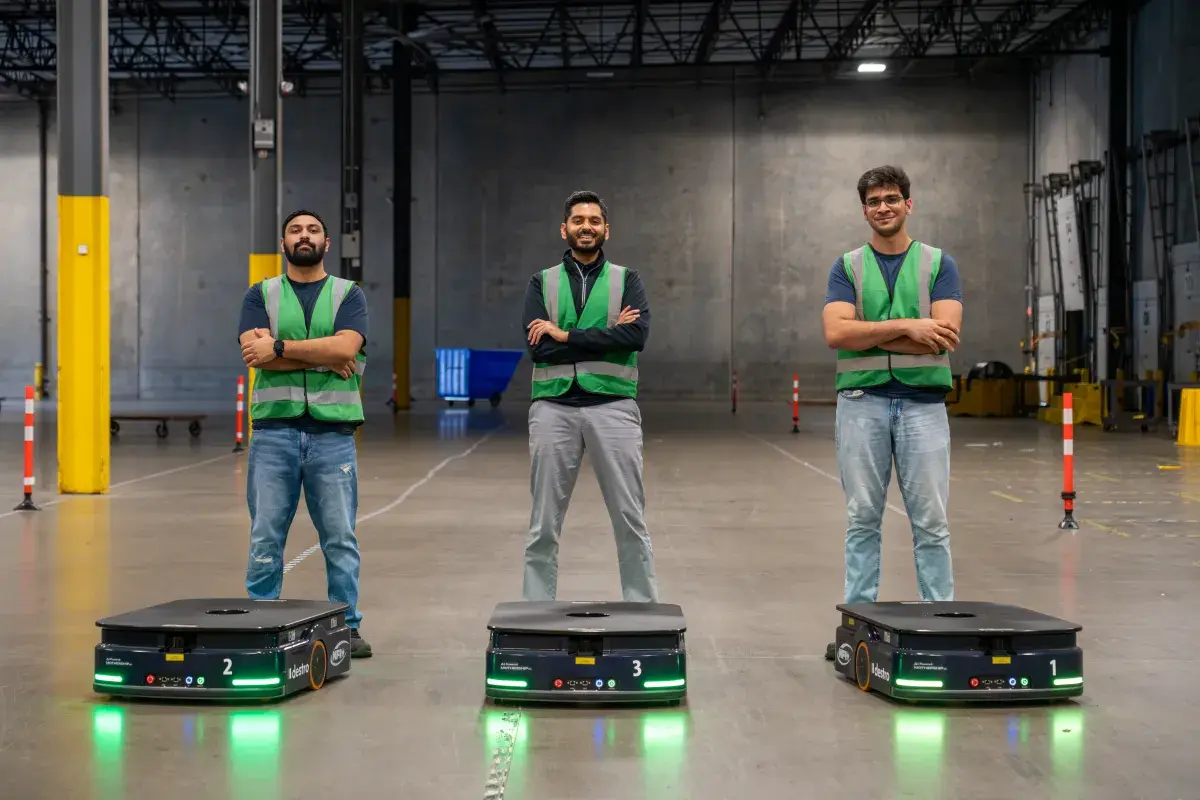
Enigma, founded by Microsoft's youngest-ever employee Jonathan Jacobi and Unit 8200 veteran Gal Niv, emerged from stealth with $70 million in seed funding led by Index Ventures and Ribbit Capital. The physical AI company is launching a public experiment where anyone can control over 100 proprietary robots online to discover how humans naturally want to interact with machines.
Greenhouse CEO Daniel Chait identifies an AI doom loop in hiring where job seekers use $20 AI tools to mass-apply to jobs while recruiters deploy AI to filter the flood. With 254 applicants per posting and applications per recruiter up 412%, both sides are stuck in a cycle that's making the hiring market worse for everyone.
The Salamanca City Central School District in New York halted plans to deploy Sally, an AI-powered humanoid robot, after state education officials and teachers' unions raised concerns. The $57,590 robot from Realbotix sparked backlash over student data privacy, the company's ties to a sex doll manufacturer, and fears about replacing human educators with technology.
Midjourney has acquired Co-Star, a social astrology app with 4.3 million monthly active users. The deal, which closed in spring, brings Co-Star founder Banu Guler on board as Midjourney's chief design officer. The AI lab plans to develop its first standalone app for image generation while expanding into unexpected territories including medical technology and wellness.
Don’t drown in AI news. We cut through the noise - filtering, ranking and summarizing the most important AI news, breakthroughs and research daily. Follow topics that matter to you and stay ahead.