Share
Linkedin
Twitter
Facebook
Whatsapp
Copy Link
Google launched an AI contribution pilot that compensates publishers when their content significantly contributes to AI-generated responses across Gemini, AI Overviews, and AI Mode. While the program marks a shift toward recognizing publisher value, the opaque payout mechanism and unclear contribution calculations raise questions about fair compensation and transparency.
Kevin Roose and Casey Newton are launching Machine Gods on NPR this October 2026, a twice-weekly video-first show exploring artificial intelligence through investigative reporting. The partnership marks NPR's strategic push into digital content while the former Hard Fork hosts build their independent media company.
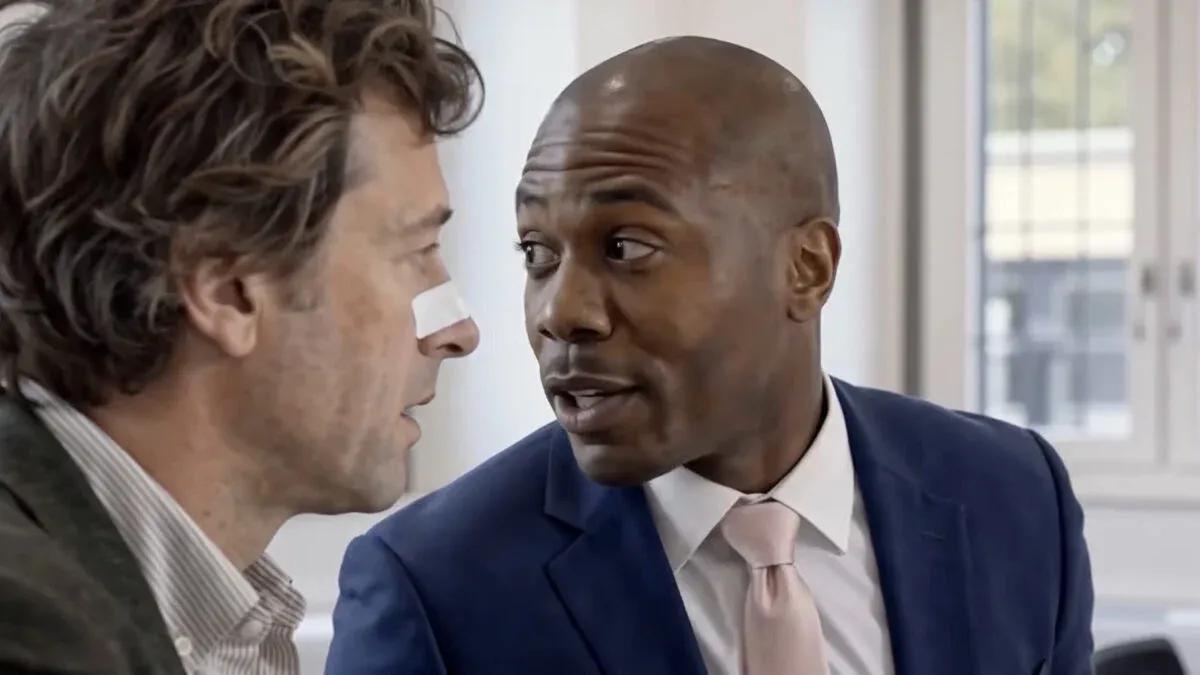
Former angel investor Andrew Dickinson released No Big Deal, a sitcom pilot entirely generated using AI, on YouTube. The 25-minute episode features dead-eyed characters, monotonous dialogue delivery, and severe continuity errors—serving as a cautionary tale about bypassing the creative process with AI production shortcuts.
Newly unsealed court documents in The New York Times copyright lawsuit reveal damaging internal communications from Microsoft and OpenAI executives. Microsoft's Director of Applied Science called AI scraping an astonishing theft while OpenAI's ChatGPT head warned of an existential threat to publishers as click-through rates plummeted by up to 93%.
Zee5 has rolled out a comprehensive platform revamp featuring AI-led content discovery, five dedicated content hubs, and an expanded global slate. The update includes AI-powered customer support, enhanced personalization, and a redesigned Free 5 ad-supported service with diverse content across multiple languages.
Australia unveiled draft legislation requiring social media platforms to let users opt out of algorithmic feeds. The digital duty of care framework targets harmful content and gives users control over their feeds. Tech companies face penalties exceeding $72 million for non-compliance.
Bennett, Coleman & Co Ltd (BCCL), publisher of The Times of India and The Economic Times, has entered a strategic partnership with OpenAI to improve content discovery through ChatGPT. The collaboration ensures ChatGPT users receive attributed summaries with direct links to original BCCL articles while maintaining complete editorial independence across all publications.
EU antitrust regulators sent publishers a questionnaire to assess Google's AI search opt-out proposal. The feedback will determine if Google faces another major fine as publishers struggle with declining traffic from AI Overviews appearing above traditional search results.
British advertising giant WPP plans to eliminate up to 1,000 additional positions by year-end as part of CEO Cindy Rose's AI-driven restructuring. The cuts add to 11,000 job losses since early 2025, bringing total headcount to 97,388. The move reflects how AI tools are transforming the advertising industry.
Google Search now automatically expands AI Overviews for certain queries, displaying full AI-generated summaries at the top instead of showing a "Show more" button. The change pushes traditional search results significantly further down the page, intensifying concerns from publishers about revenue losses and mounting regulatory scrutiny.
Billionaire investor Stanley Druckenmiller confirmed he used AI to write a Wall Street Journal op-ed criticizing Treasury Secretary Scott Bessent. The Wall Street Journal's editorial page editor Paul Gigot defended the practice, calling AI a fact of modern life and sparking debate over transparency and media ethics in AI-generated content.
Prominent filmmaking YouTube creators Matti Haapoja and Sam 'Kold' Kolder sparked intense backlash after posting videos promoting AI platform Higgsfield's Seedance 2.5 technology. Fans and fellow creators questioned the transparency of these partnerships, with critics arguing the unlabeled content undermined creator-audience trust while promoting generative AI tools trained on uncredited human-made content.
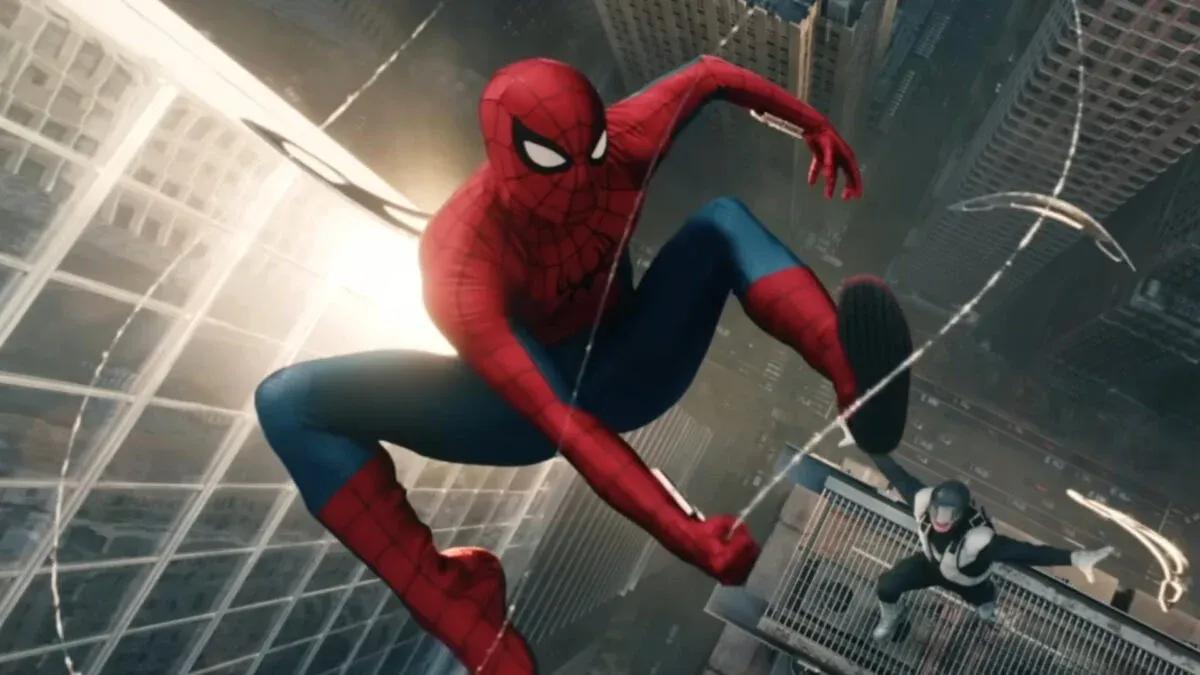
Spider-Man: Brand New Day's official artbook sparked an AI art controversy after fans identified concept art showing warped taxis and distorted buildings. The 208-page collector's book released August 18 features one image raising questions about generative AI use in Hollywood productions and artistic credit transparency.
AI systems now influence how customers discover businesses, but most companies remain invisible to these platforms. Research shows 84% of AI citations come from earned media while company websites barely register, fundamentally changing how brand perception forms and why traditional digital strategies no longer guarantee visibility.
ByteDance and the Motion Picture Association have signed a memorandum of understanding to strengthen copyright safeguards on the company's Seedance and Seedream AI models. The agreement follows a February cease-and-desist letter accusing ByteDance of systemic infringement after viral AI-generated videos featuring copyrighted characters sparked industry-wide alarm.
Don’t drown in AI news. We cut through the noise - filtering, ranking and summarizing the most important AI news, breakthroughs and research daily. Follow topics that matter to you and stay ahead.