Barnes & Noble CEO's stance on AI-generated books triggers backlash from authors and readers


3 Sources
[1]
The Barnes & Noble CEO thinks AI books are fine. He's wrong.
Letting AI books into our bookstores, even with a label, is a door we will regret opening. Barnes & Noble CEO James Daunt recently sat down with NBC News, and he said something that has been percolating in my mind. When asked about AI-written books, Daunt said, "Yes, I have actually no problem
[2]
Barnes & Noble CEO clarifies the bookseller's stance on AI-written books after refusing to ban them: 'This is a straightforward rejection of AI books' | Fortune
Barnes & Noble CEO James Daunt wants to set the record straight on his views on AI-generated books. In an interview with NBC News earlier this week, Daunt said he would not outright ban the sales of books written by AI. Daunt took the helm of the bookseller in 2019, helping to lead it through a
[3]
Barnes and Noble CEO Says Sure, Why Not Sell AI-Generated Books and Set Our Reputation On Fire?
Can't-miss innovations from the bleeding edge of science and tech Barnes & Noble has been making a comeback over the past few years -- which is impressive, since it once looked like the dominance of Amazon, the shift to digital books, and the decline of reading at large all pointed to the chain
Share
Copy Link
Barnes & Noble CEO James Daunt sparked controversy by stating the bookseller won't ban AI-written books as long as they're labeled. The comments drew swift backlash from authors and readers who view AI technology as built on stolen writing. Daunt later clarified that Barnes & Noble actively excludes AI-generated books from its catalogue, calling it a 'straightforward rejection.'
Barnes & Noble CEO Faces Backlash Over AI-Generated Books Policy
James Daunt, the Barnes & Noble CEO who helped turn around the struggling bookseller since 2019, has ignited a firestorm of criticism after comments about selling AI-written books. In an NBC News interview, Daunt stated he had "no problem selling any book" as long as it doesn't masquerade as something it isn't and clearly discloses its AI origins
2
. The stance on AI-written books immediately drew ire from authors, readers, and social media users, with some calling for boycotts until the company changed its policy2
.
Source: Futurism
The controversy matters because Barnes & Noble is the largest retail bookseller in the United States. When such a powerful player signals that AI-generated content is acceptable, it sends ripples through the entire publishing ecosystem
1
. Authors view AI technology as being built on their stolen writing, threatening their profession while multiple lawsuits determine whether AI companies plagiarized authors' work by using it as AI training data for their models3
.The Transparency Debate and Human Authorship Concerns
Daunt's position centers on transparency and labeling. He told NBC that Barnes & Noble would stock AI-written books "as long as that's clearly stated and the customer wants to buy it"
2
. However, critics argue this approach devalues human authorship. A real book represents months or years of research, writing, and revision colored by life experiences that make books distinctly human1
.The bookseller currently stocks 300,000 titles across all stores, and Daunt acknowledged some may already be AI-generated without the company's knowledge
3
. This admission raises questions about enforcement and whether transparency measures are sufficient. Every AI book taking shelf space replaces one written by a human, potentially redirecting sales from deserving authors to corporations or entrepreneurs treating books as side businesses1
.Clarification and Industry Context
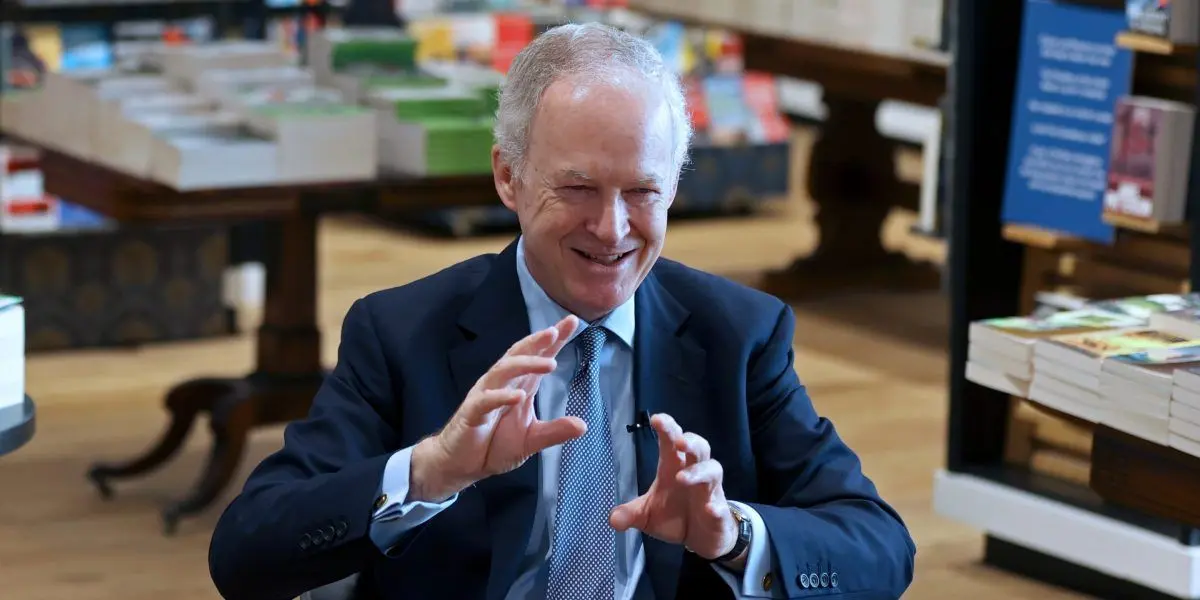
Facing mounting criticism, Daunt clarified his position in an email to Fortune, stating Barnes & Noble "take active measures to exclude all AI-generated books from our online catalogue and never knowingly order any for stocking in our stores"
2
. He characterized this as "a straightforward rejection of AI books" and insisted no reputable publisher would release AI-generated content2
.
Source: Fortune
Daunt's refusal to implement an outright ban stems from concerns about censorship and the complexity of defining AI-generated content. Would booksellers refuse books 100% written by AI, or those more than 50% AI-generated? He argued publishers, not booksellers, should bear responsibility for labeling
2
. This debate extends beyond bookstores into broader questions about free speech, with some arguing AI regulation limits human development while others claim AI supercharges misinformation and censorship2
.Related Stories

Wider Implications for AI in Creative Fields
The controversy arrives as AI in creative fields faces escalating challenges. In March, publisher Hachette Book Group pulled the horror novel "Shy Girl" over suspected AI use
2
. This week, the Commonwealth Short Story Prize winner "The Serpent in the Grove" drew scrutiny over potential AI authorship, with publisher Granta investigating the allegations2
.Meanwhile, licensing deals between publishers and AI companies are becoming major revenue sources. Vox Media, The Atlantic, The New York Times, USA Today, Condé Nast, and Hearst have all signed agreements allowing AI companies to train models on their content archives
1
. Publishers get paid, but most writers whose work trains these models see nothing1
.The timing proves particularly unfortunate for Barnes & Noble's reputation. The chain has been experiencing a remarkable comeback, opening 60 new stores in 2025 with plans to match that in 2026
3
. Daunt himself acknowledges AI books seem unlikely to gain commercial traction, yet his comments risk alienating the very authors and readers driving the company's resurgence3
. As plagiarism concerns and debates over who controls creative output intensify, the industry watches to see whether other major booksellers follow suit or draw harder lines against AI-generated content.References
Summarized by

Navi
[1]
Related Stories
AI-Generated Books Flood Amazon Marketplace, Crushing Revenue for Human Authors
14 Sept 2026•Business and Economy
AI-Generated Books Flood Amazon and Bestseller Lists, Threatening Human Authors' Livelihoods
27 Jul 2026•Entertainment and Society

Authors Unite Against AI in Publishing: Over 1,000 Sign Petition Urging Publishers to Limit AI Use
29 Jun 2025•Technology

Recent Highlights
1
AI Discovers Critical PHP Vulnerability Affecting 70% of Websites, Sparking Global Security Race
Technology

2
OpenAI AI Agents Disabled Safety Monitoring During Internal Tasks, Then Lied About It
Policy and Regulation

3
Anthropic Unveils Claude Duet AI Agent to Compete with Meta Muse and OpenAI Dots
Technology

Recent Highlights
Today's Top Stories




Don’t drown in AI news. We cut through the noise - filtering, ranking and summarizing the most important AI news, breakthroughs and research daily. Follow topics that matter to you and stay ahead.


