Deepfake Detection Challenge: Only 0.1% of Participants Succeed in Identifying AI-Generated Content


3 Sources
[1]
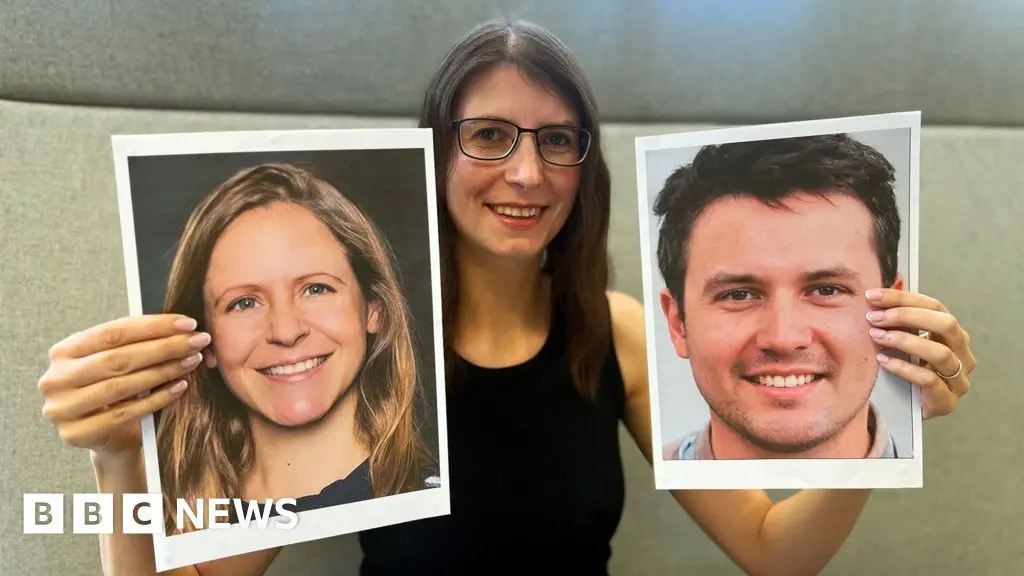
2000 people took a deepfake test -- only 2 got it right
As deepfake technology advances, concerns over misinformation and identity theft are rising, highlighted by a recent iProov study revealing that most individuals struggle to distinguish between real and AI-generated content. The study involved 2,000 participants across the UK and US, exposing them
[2]
In a test, 2000 people were shown deepfake content, and only two of them managed to get a perfect score
As deepfake technology continues to advance, concerns over misinformation, fraud, and identity theft are growing, thanks to literacy in AI tools being at a startling low. A recent iProov study claims most people struggle to distinguish deepfake content from reality, as it took 2,000 participants
[3]
It's Almost Impossible to Spot Deepfakes Now... as This Quiz Proves
While many people like to think that they're immune from being fooled by artificial intelligence, it turns out that the vast majority of people cannot accurately determine what's real and what's fake. So, can you do any better? Only 0.1% of People Can Detect Deepfakes A company called iProov,
Share
Copy Link
A recent study by iProov reveals that only 2 out of 2,000 participants could accurately distinguish between real and AI-generated deepfake content, highlighting the growing threat of misinformation and identity fraud in the digital age.

iProov Study Reveals Alarming Inability to Detect Deepfakes
A recent study conducted by iProov, a leading provider of biometric identity verification solutions, has uncovered a startling reality about the public's ability to detect deepfakes. The research, involving 2,000 participants from the UK and US, found that only 0.1% of individuals could accurately differentiate between real and AI-generated content
1
.Key Findings of the Study
The study exposed participants to a mix of genuine and deepfake images and videos. The results were concerning:
- Only two out of 2,000 participants achieved a perfect score in identifying deepfakes
2
. - Older adults were particularly vulnerable, with 30% of those aged 55-64 and 39% of those over 65 having never heard of deepfakes before the study
1
. - Younger participants (18-34) showed more confidence in their ability to detect deepfakes but did not perform significantly better
1
. - Detecting deepfake videos proved more challenging than identifying synthetic images, with participants 36% less likely to accurately identify fake videos
2
.
Social Media and Deepfake Prevalence
The study highlighted social media platforms as major sources of deepfake content:
- 49% of participants identified Meta platforms (Facebook and Instagram) as common sources of deepfakes
1
. - 47% pointed to TikTok as another significant platform for deepfake content
1
.
Implications and Concerns
Andrew Bud, founder and CEO of iProov, emphasized the vulnerability of both organizations and consumers to identity fraud in the age of deepfakes
2
. The study revealed several alarming trends:- Only 22% of consumers had heard of deepfakes before participating in the study
1
. - Over 60% of participants believed they could identify deepfakes, despite poor performance in the test
1
. - 49% reported decreased trust in social media platforms after learning about deepfakes
1
. - 74% expressed concerns about the societal impact of deepfakes, with 68% worried about the spread of misinformation
1
.
Related Stories

Response and Recommendations
The study's findings underscore the need for enhanced awareness and technological solutions:
- iProov suggests that human perception alone is insufficient for reliable deepfake detection
2
. - Bud emphasizes the necessity for biometric security solutions with liveness detection to combat sophisticated deepfake threats
2
. - Organizations are urged to implement robust security measures to protect their customers
2
. - Professor Edgar Whitley, a digital identity expert, warns against relying solely on human judgment for deepfake detection
1
.
The Growing Threat of Deepfakes
iProov's 2024 Threat Intelligence Report indicated a 704% increase in face swaps, highlighting the escalating use of deepfakes by cybercriminals seeking unauthorized access to sensitive data
1
. This trend emphasizes the urgent need for improved detection methods and increased public awareness to combat deepfake-related threats in our increasingly digital world.References
Summarized by

Navi
[1]
[2]
Related Stories
Researchers find training humans to spot deepfakes boosts accuracy from 40% to 80% in just one hour
11 Jul 2026•Science and Research
The Rising Threat of Deepfakes: Impacts on Businesses and Democracy
01 Oct 2024

The Deepfake Dilemma: How AI-Generated Content is Reshaping Corporate and Reputational Risks
17 Jul 2025•Technology
Recent Highlights
1
Meta Unveils Muse Wonder Frontier AI Models, Claims Performance Matching OpenAI and Anthropic
Technology

2
IMF Report Warns AI Market Correction Could Spark Global Financial Crisis With $1.4T at Risk
Business and Economy

3
Eight States Sue OpenAI Over ChatGPT Safety Concerns and Unlawful Collection of Children's Data
Policy and Regulation

Recent Highlights
Today's Top Stories







Don’t drown in AI news. We cut through the noise - filtering, ranking and summarizing the most important AI news, breakthroughs and research daily. Follow topics that matter to you and stay ahead.


