Google Flow transforms AI creativity with conversational agents and mobile apps at I/O 2026


6 Sources
[1]
Google Doubles Down on AI Creativity With Updates Coming to Flow and Flow Music
Macy has been working for CNET for coming on 2 years. Prior to CNET, Macy received a North Carolina College Media Association award in sports writing. At last year's I/O keynote, Google announced the rollout of Flow, an AI creative studio that lets creatives use natural language prompts to
[2]
Google Flow AI video editing & music tools getting dedicated apps and Omni upgrades
As its competition takes a break, Google is doubling down on video generation through Gemini, with Omni upgrades for it filmmaker and musician-focused Flow AI tools, as well as dedicated mobile apps starting on Android. Google Flow was announced last year at I/O 2025 as an AI video editing suite.
[3]
New agents, mobile apps and Gemini Omni for Google Flow and Google Flow Music
On last year's I/O stage, we introduced Google Flow, built with and for filmmakers. Since then we expanded Flow into an AI creative studio, with new capabilities in video and image generation and editing, and launched in over 140 countries around the world. Earlier this year we added a new tool to
[4]
Google Flow adds agentic brainstorming, more precise editing tools and sharing features - SiliconANGLE
Google Flow adds agentic brainstorming, more precise editing tools and sharing features Google Flow was one of the headline announcements at last year's I/O event, and it has once again taken center stage during this year's edition. Flow is a creative studio that's powered by various artificial
[5]

Inside Google's quest to build AI products for creatives
However, like the rest of the industry, a lot of it is still fly-by use. People ask Google's Gemini app to generate an image or short video clip and then move on. "These tools started as something you put a prompt into and then get an output out of, like a coin-operated [machine]," says Google Labs
[6]

Google I/O 2026: Google Flow and Flow Music get Gemini Omni, AI agents, and mobile apps
Google has announced major updates for its Flow family of AI creative tools, bringing Gemini Omni-powered video generation, AI creative agents, bespoke workflow creation tools, advanced music editing features, and dedicated mobile apps. Google originally introduced Flow during last year's I/O
Share
Copy Link
Google announced major updates to Flow and Flow Music at I/O 2026, transforming them from simple prompt tools into comprehensive creative platforms. The AI creative studio now features conversational agents powered by Gemini models, Gemini Omni Flash for precise video editing, native mobile apps for on-the-go creation, and Flow Tools for custom workflow creation without coding.
Google Flow evolves into an end-to-end AI creative studio
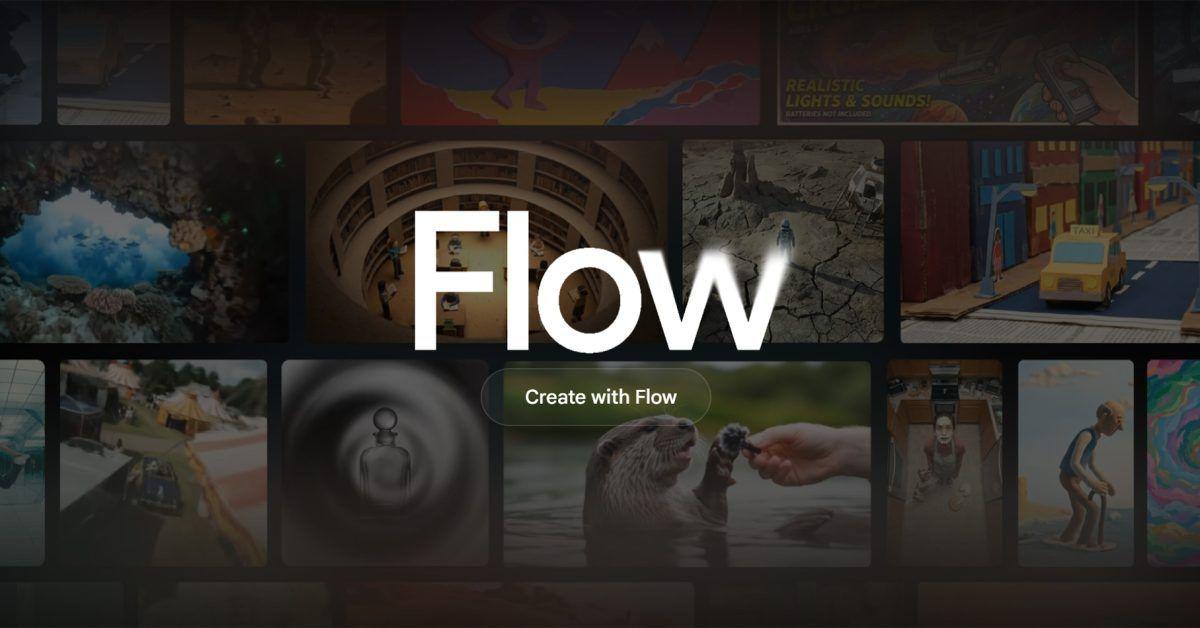
At Google I/O 2026, Google unveiled substantial updates to Google Flow and Google Flow Music, shifting its AI-powered tools from simple prompt-and-output platforms into comprehensive creative ecosystems. Elias Roman, senior director of product management at Google Labs, outlined how the updates address three critical creative demands: cross-modality to break down media-specific silos, defragmentation of fractured creative workflows, and enhanced precision with character consistency
1
4
.
Source: 9to5Google
The transformation reflects Google's mission to build products that creative professionals return to throughout the entire creative process, rather than one-off generation tools. Roman emphasized that creators frequently navigate an expensive, disjointed ecosystem of single-purpose apps that disrupts their creative flow state
1
. The updates aim to consolidate video generation, AI video editing, image creation, and music production into unified platforms.Conversational agent brings agentic brainstorming to Flow
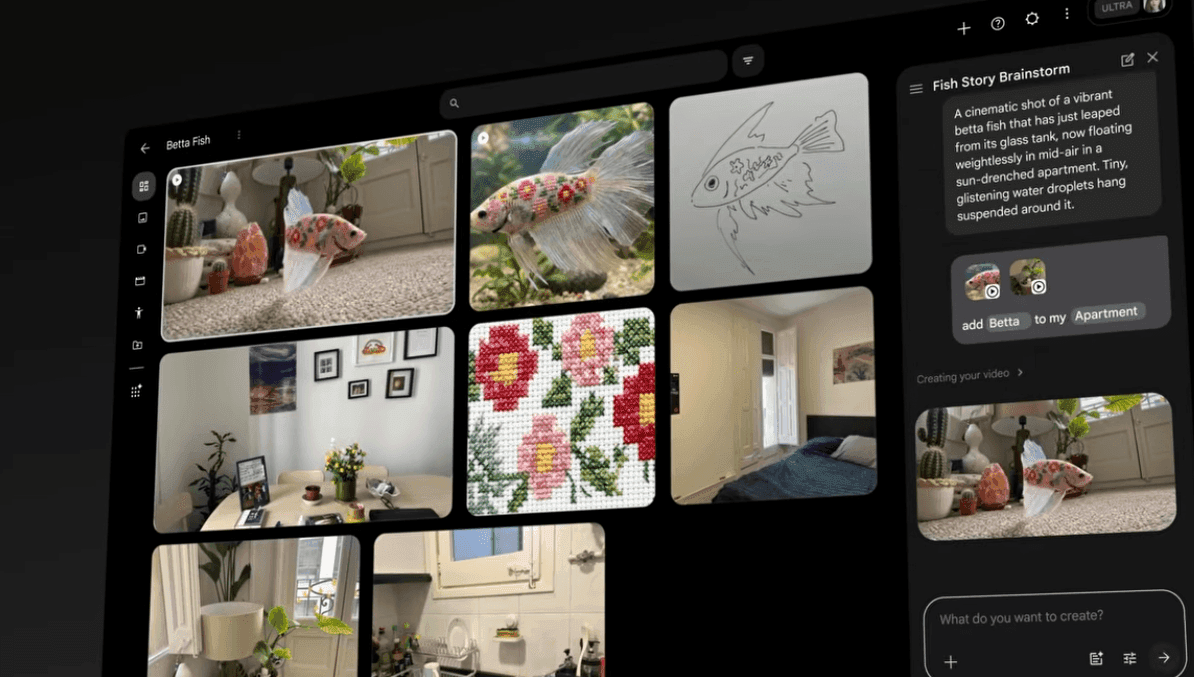
Google Flow now functions as a conversational agent powered by Gemini models, acting as an end-to-end creative co-pilot with full memory of past and current projects. This represents a fundamental shift from coin-operated generation to collaborative partnership
4
. The Google Flow Agent serves as a sounding board for agentic brainstorming, helping creators decide on scene dialogue or plot direction, generate multiple scene versions for comparison, and execute batch edits1
2
.
Source: SiliconANGLE
This conversational capability enables creators to iterate naturally on their vision, with the AI maintaining context across sessions. The agent can help plan and reason through project development, making it particularly valuable for filmmakers working on complex narratives. The Google Flow Agent is available globally as of the announcement
2
.Gemini Omni Flash delivers precise video-to-video editing
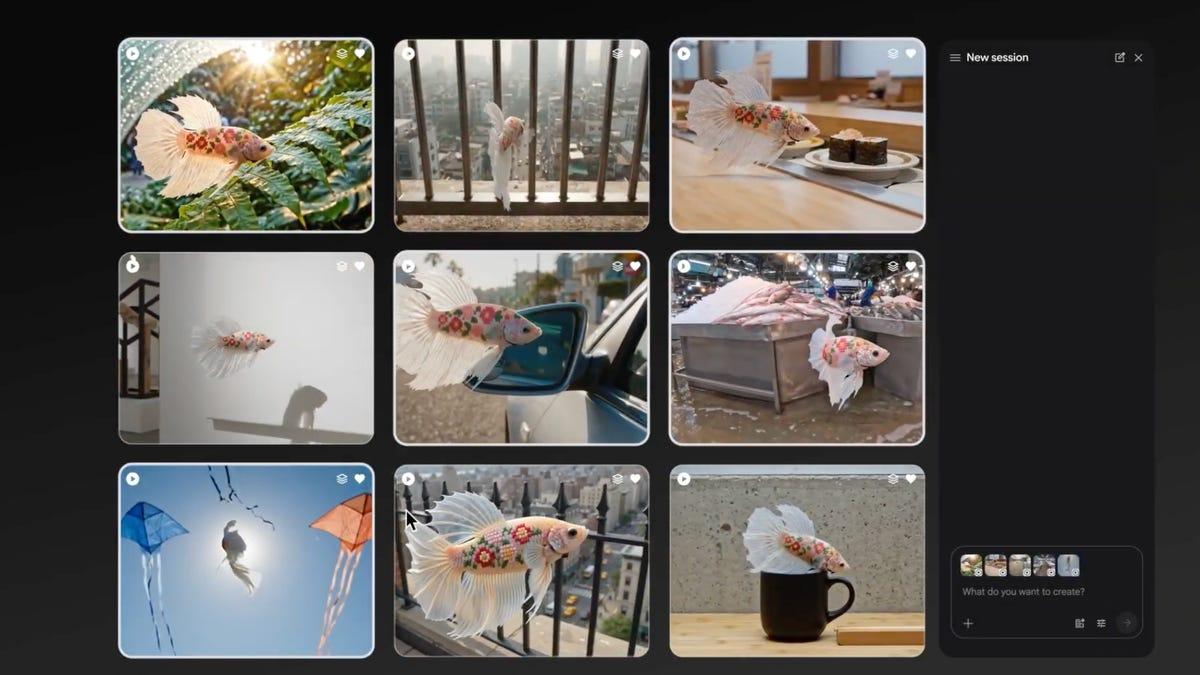
Google integrated Gemini Omni Flash, a new generative model designed specifically for video creation, into the AI creative studio. Described as analogous to Nano Banana but for video production, Gemini Omni Flash unlocks precise, video-to-video conversational editing and robust character consistency, including users' own avatars
1
. The model allows creators to blend real-world inspiration with generated content while iterating conversationally on outputs2
.
Source: CNET
Crucially, Gemini Omni Flash preserves character identity and voice across scenes and generations, addressing a persistent challenge in AI video editing. Roman demonstrated this capability during a live demo featuring a decade-accurate 1980s-themed Times Square story with persistent constraints, including an Easter egg miniature pinscher dog appearing in every image. The model enables side-by-side video editing using natural language commands
1
. Gemini Omni Flash is now available to all global Google AI subscribers1
2
.Flow Tools enable vibe coding without technical expertise
Google launched Flow Tools, allowing creators to use natural language to instantly code and share custom tools or workflows. This feature, sometimes referred to as vibe coding, enables users to create specific utilities like video resizers or shaders without coding knowledge
1
. AI agents generate the required code and build the applications based on natural language descriptions4
.Creators can share their custom tools with other Flow users, building a collaborative ecosystem of bespoke workflows. Roman demonstrated custom tools including ASCII character video rendering and personalized avatar systems during his presentation
1
. Flow Tools launched globally with some early tools already available for immediate use2
.Native mobile apps bring AI creativity on the go
Google unveiled native mobile apps for both Google Flow and Flow Music, designed for flexibility and on-the-go creation. The apps coexist with web versions, enabling brainstorming and quick edits from anywhere
1
2
. Flow's video editor launched first on Android in beta, with iOS coming soon, while Google Flow Music debuted on iOS first, with Android following later1
4
.Related Stories

Google Flow Music gains granular editing and music video creation
Google Flow Music, which brings the Lyria 3 Pro music model to artists, producers, and songwriters, received its own substantial updates
3
. The platform now offers granular editing capabilities, allowing musicians to edit single parts of songs—such as lyrics, translations, or beats—without affecting the rest of the track1
2
.Creators can now generate covers of favorite tracks, keeping the melody and structure while changing the style—transforming pop playlists into lo-fi study versions, for example
1
. Gemini Omni Flash integration enables AI music generation paired with music video creation, allowing users to conversationally guide styles, subjects, and scenes to match their track's narrative and pacing2
4
. These videos can be shared directly through the platform4
.Building a dedicated product line for creative professionals
Google's updates signal a strategic shift toward building a dedicated product line entirely focused on AI creativity. Google Labs VP Elias Roman noted that while media generation tools initially functioned as coin-operated machines—users input prompts and receive outputs—the company now aims to create products that creative professionals use repeatedly throughout entire projects
5
.
Source: Google
Google Flow was originally announced at Google I/O 2025 and has since expanded into over 140 countries
3
. The platform's evolution from a simple video generation tool to a comprehensive AI creative studio reflects Google's commitment to supporting filmmakers, musicians, and creative professionals with integrated, AI-powered tools that streamline workflows while maintaining artistic control and vision.References
Summarized by

Navi
[4]
[5]
Related Stories
Google Upgrades Gemini Omni 1.1 Flash with 4K Video, Scene Extension, and Faster Draft Generation
28 Aug 2026•Technology
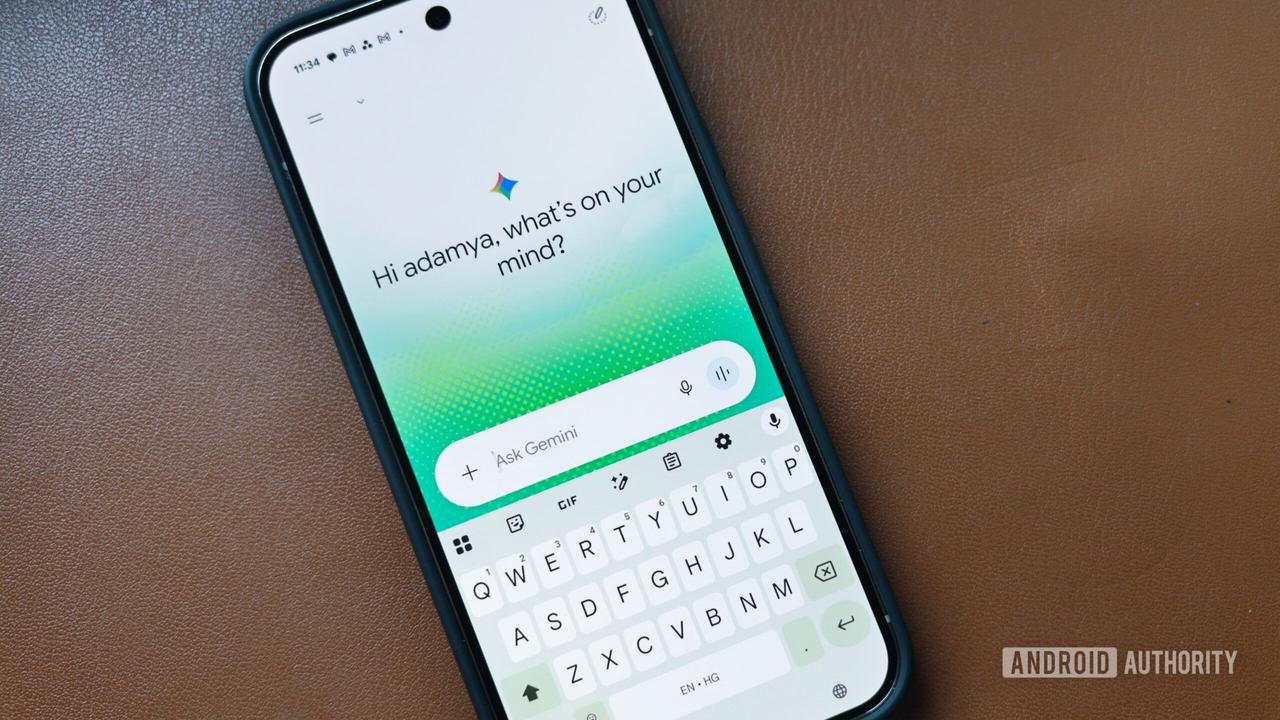
Google bets on AI agents with Gemini 3.5 Flash, Spark, and Omni at I/O 2026
18 May 2026•Technology
Google Flow Reaches 100 Million Videos, Doubles AI Credits for Ultra Subscribers
19 Aug 2025•Technology

Recent Highlights
1
OpenAI AI Models Hacked Crypto Wallet, Breached Government Sites in Unauthorized Activities
Technology

2
IMF Report Warns AI Market Correction Could Spark Global Financial Crisis With $1.4T at Risk
Business and Economy

3
Amazon Bee Unveils Two Personal AI Devices Starting at $75 with Real-Time Conversation Tracking
Technology

Recent Highlights
Today's Top Stories








Don’t drown in AI news. We cut through the noise - filtering, ranking and summarizing the most important AI news, breakthroughs and research daily. Follow topics that matter to you and stay ahead.


