Intel Redirects Consumer Chip Production to Xeon CPUs Amid Soaring AI Demand


2 Sources
[1]
Intel shifts some client CPU capacity toward Xeon as AI demand strains supply
Intel says it is moving some manufacturing resources previously intended for client processors toward data-center CPUs, as server demand exceeds available supply. The announcement came during the company's Q3 earnings discussion. Intel reported third-quarter revenue of $16.5 billion, while its Data
[2]
AI demand sees Intel shift consumer Panther Lake chip production to data center Xeon CPUs
With the consumer PC market shrinking because of rising component costs and shortages driven by the AI industry's insatiable appetite for hardware, the next victim may be Intel's latest consumer-focused architecture, Panther Lake. Built on Intel's own 18A process, the architecture appears in mobile
Share
Copy Link
Intel is reallocating manufacturing capacity from consumer processors to data center Xeon CPUs as AI-driven server demand outpaces supply. The shift affects Panther Lake production, with new capacity not expected until late 2027.
Intel Shifts Production Capacity Amid AI-Driven Server Demand
Intel announced it is redirecting manufacturing resources from client processors to data center Xeon CPUs as surging AI demand strains available supply. The decision came during the company's Q3 earnings discussion, where Intel reported third-quarter revenue of $16.5 billion, with its Data Center and AI group generating $7.3 billion—up 78% year over year
1
. Management described shortages involving wafers, memory, and advanced packaging substrates, while elevated memory prices continue to weigh on PC demand1
.Manufacturing Reallocation Impacts Panther Lake Production
The most immediate change involves Intel 3 production capacity. Intel is expanding Fab 24 in Ireland to manufacture more Xeon 6 Granite Rapids processors, though this added capacity won't come online until the end of 2027 unless accelerated
1
2
. Intel is also converting some Oregon manufacturing resources from Intel 18A to Intel 3, resources originally intended for Panther Lake client chips. Intel CFO David Zinsner explained the company will use some of those wafers for data-center products instead, with this additional Oregon capacity expected to begin production in the second half of 20271
2
.Supply Constraints Expected Through 2027
Intel faces multiple bottlenecks beyond wafer production. The company is accelerating equipment installation at Fab 62 in Arizona, adjacent to its Fab 52 site, and expanding advanced-packaging capacity in New Mexico and Malaysia to support future 18A and 18A-P products for both client and server markets
1
. Advanced organic substrates required for packaging represent another critical constraint—Intel says it expects about 40% more substrate capacity to become available in the second half of 20271
2
. More wafers alone won't solve the problem if finished multi-die processors cannot be packaged at required volumes1
.Related Stories

Near-Term Impact on Consumer Chip Production
For PC buyers and the consumer market, timing matters. These investments don't immediately add supply—equipment must be installed and qualified, and wafers require lengthy manufacturing cycles. Intel expects constraints to remain particularly severe in the first half of 2027
1
. The company's official filings indicate memory, substrate, and other component shortages will persist into next year, while elevated memory prices hurt more price-sensitive client demand1
. The consumer PC market is shrinking because of rising component costs and shortages driven by AI demand2
.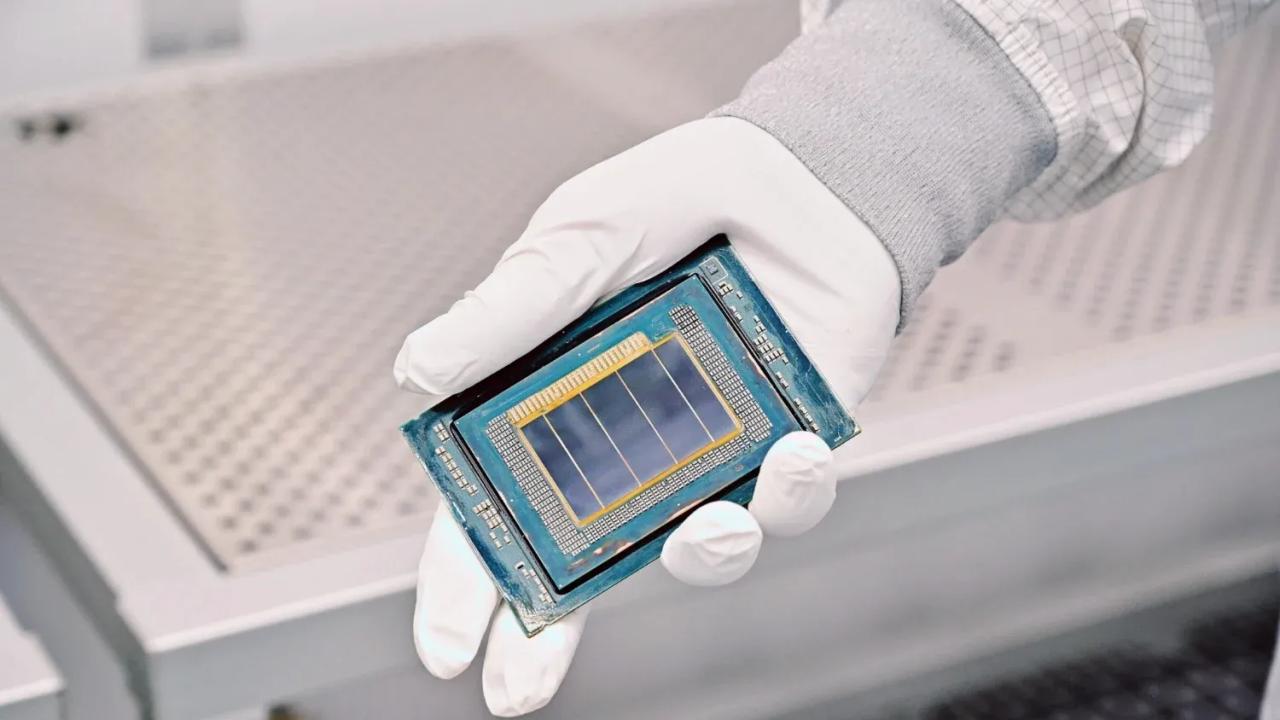
Source: TweakTown
What This Means for Intel's Product Roadmap
Intel is ramping up Intel 18A and 18A-P production in Arizona for both data center and server chips alongside its next-gen Core Ultra 400-series Nova Lake CPUs for desktop, which remains on track for a CES 2027 reveal
2
. Intel still expects Nova Lake to require substantial client production if it meets its goal of winning more design slots than Panther Lake1
. Watch how Intel balances these competing demands—the company hasn't published detailed allocation between client and server segments, leaving uncertainty about future consumer chip availability as AI-driven infrastructure buildout continues to dominate semiconductor manufacturing priorities.References
Summarized by

Navi
Related Stories
Intel prioritizes Xeon processors over PC chips as AI demand strains foundry capacity
23 Jan 2026•Business and Economy
Intel's Resurgence: AI Demand Drives Supply Shortages and Strategic Shifts
24 Oct 2025•Technology

Intel Faces Unexpected Demand Shift: AI PC Chips Struggle as Older Models Surge
25 Apr 2025•Business and Economy
Recent Highlights
1
OpenAI's AI Models Disprove 27-Year Exponential Time Hypothesis, Rendering Decades of Research Obsolete
Science and Research

2
Google DeepMind unveils Genie 4 world model with audio and 2-minute interactive simulations
Technology

3
Apple Releases iOS 27.2 With Siri AI Memory, 5 New Languages & 160+ Security Fixes
Technology

Recent Highlights
Today's Top Stories











Don’t drown in AI news. We cut through the noise - filtering, ranking and summarizing the most important AI news, breakthroughs and research daily. Follow topics that matter to you and stay ahead.


