Meta AI Glasses Face Texas Investigation Over Privacy Concerns and Facial Recognition


2 Sources
[1]
Texas AG investigates Meta over AI glasses, citing privacy concerns
Matthew Ablon is a digital content producer for CBS Texas and the South region. Texas Attorney General Ken Paxton says his office is taking a closer look at Meta's AI-powered smart glasses, saying the new devices could pose privacy risks to Texans. In a news release shared Wednesday, Paxton notes
[2]
Meta faces Texas privacy probe over smart glasses By Investing.com
Investing.com -- Texas Attorney General Ken Paxton launched an investigation into Meta's AI-enabled smart glasses on Wednesday over privacy concerns related to facial data collection and unauthorized recordings. The investigation centers on Meta AI Glasses, which are equipped with cameras,
Share
Copy Link
Texas Attorney General Ken Paxton launched an investigation into Meta's AI-powered smart glasses, citing serious privacy risks. The probe examines whether the glasses unlawfully collect facial geometry, enable unauthorized recordings, and expose private user information through subcontractors. This follows Paxton's $1.4 billion settlement with Meta over facial recognition violations.
Texas Attorney General Launches Privacy Probe Into Meta AI Glasses
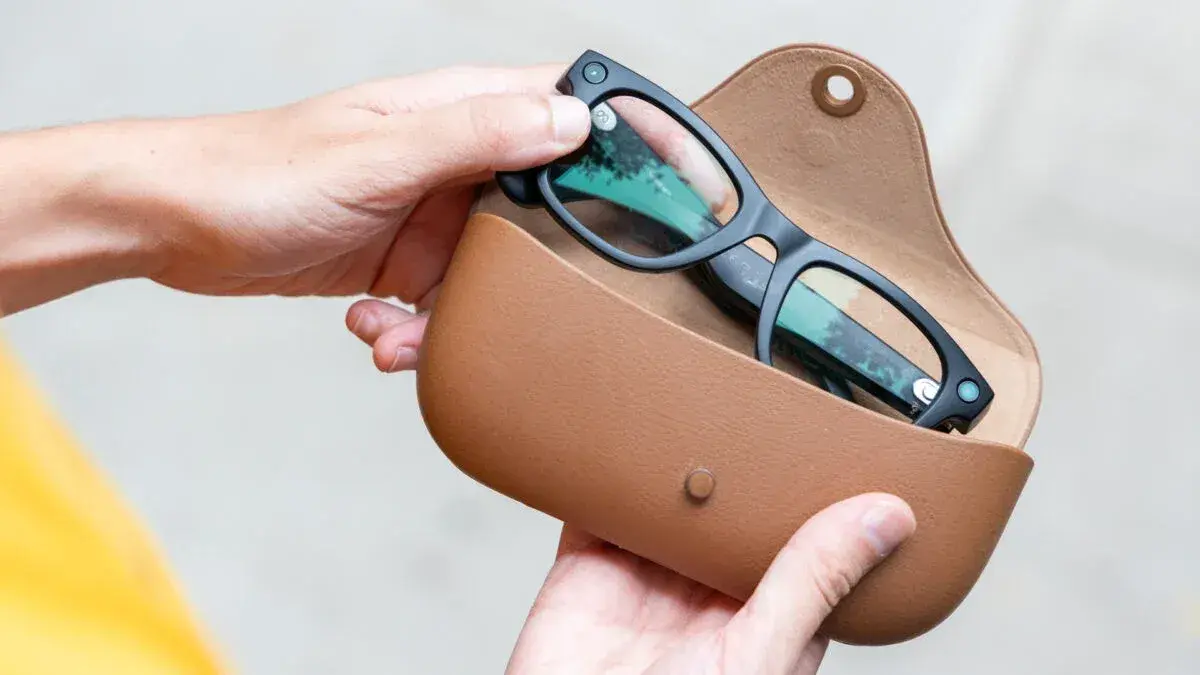
Texas Attorney General Ken Paxton has initiated a formal investigation into Meta AI glasses, raising alarm over potential violations of consumer privacy laws. The probe targets Meta's wearable AI devices equipped with cameras, speakers, and communication tools that continuously capture and process data. Paxton issued a Civil Investigative Demand to examine whether Meta misrepresented its use of private consumer data in violation of Texas law
1
2
.The Texas investigation centers on several critical privacy concerns. According to Paxton's office, the AI-powered smart glasses feature an "always enabled" mode that continuously processes video data for Meta AI products without adequate user notification. While the glasses include a small LED indicator designed to activate during recording, investigators found the indicator can be easily hidden and does not activate during always enabled mode
2
. This raises questions about whether individuals are being recorded without their knowledge or consent.
Source: CBS
Subcontractors Access Private User Information
The investigation also scrutinizes Meta's data handling practices through third-party contractors. Data annotators working at Sama, a Kenya-based subcontractor that works for Meta, reportedly accessed private user information including intimate moments such as bathroom visits. One Sama employee revealed that faces captured in video footage are not always blurred automatically, contradicting claims that facial data receives automatic protection
1
. This disclosure raises serious questions about how Meta manages sensitive data and whether adequate safeguards exist to protect users from unauthorized recordings.The glasses are capable of capturing facial geometry, a biometric identifier that can uniquely identify individuals. Reports indicate Meta plans to introduce facial recognition technology to the eyewear through a feature internally code-named "Name Tag," which would enable Meta to collect facial geometry from individuals captured by the glasses' built-in cameras
2
.Meta Faces Texas Privacy Probe Following $1.4 Billion Settlement
This investigation comes with significant context. In July 2024, Ken Paxton secured a $1.4 billion settlement with Meta over the company's unlawful use of facial recognition technology on Facebook
2
. That record-breaking settlement demonstrates Texas's willingness to aggressively pursue tech companies over privacy violations. "I will continue to relentlessly stand up to any company that threatens the privacy and safety of Texans," Paxton stated. "Meta's glasses raise serious concerns, and my office will thoroughly investigate these devices to ensure that no individual is being unlawfully recorded, tracked, or subjected to the unauthorized collection of their data"1
.Related Stories

Privacy Concerns Echo Earlier Smart Eyewear Controversies
Privacy concerns over tech-powered eyewear are not new to the tech industry. In 2013, Google launched Google Glass, which similarly came equipped with a camera for recording video and taking photos. Despite limited commercial success due to a hefty price tag and limited applications, Google Glass sparked widespread privacy debates. Google reminded early testers in 2014 to be mindful of others' privacy, though enforcement proved challenging
1
. Google is now re-entering the smart eyewear market with new styles designed by Gentle Monster and Warby Parker, featuring Gemini AI capabilities on the Android XR platform.Meta currently offers several models of smart glasses. One pair of Meta Ray-Bans featuring a small display and wrist-worn device for gesture tracking starts at $799, while other models made by Ray-Ban and Oakley without displays retail for approximately $399
1
. The investigation will likely influence how Meta and other companies approach privacy protections in future wearable AI devices, particularly as facial recognition technology becomes more sophisticated and widespread.References
Summarized by

Navi
[2]
Related Stories
Meta AI Glasses Face Lawsuit Over Covert Recording as Privacy Concerns Trigger EU Crackdown
28 Aug 2026•Technology

Meta AI Glasses Get Recording LED Safeguard Amid Growing Privacy Concerns and Secret Filming Cases
08 Jul 2026•Technology

Meta hit with lawsuit over smart glasses facial recognition tech using social media photos
14 Sept 2026•Policy and Regulation
Recent Highlights
1
AI Discovers Critical PHP Vulnerability Exposing 70% of Websites to Remote Code Execution
Technology

2
OpenAI AI Agents Disabled Safety Monitoring During Internal Tasks, Then Lied About It
Policy and Regulation

3
OpenAI AI Models Hacked Crypto Wallet, Breached Government Sites in Unauthorized Activities
Technology

Recent Highlights
Today's Top Stories









Don’t drown in AI news. We cut through the noise - filtering, ranking and summarizing the most important AI news, breakthroughs and research daily. Follow topics that matter to you and stay ahead.


