4 Sources
[1]
Voters in California City Favor Permanent Ban on Data Centers
Monterey Park, outside Los Angeles, appeared to become the first U.S. city where voters passed such a measure. Voters in Monterey Park, Calif., appear to have overwhelmingly approved a ban on data centers, becoming what is believed to be the first city in the nation where residents passed a measure permanently prohibiting the warehouses. The referendum in favor of a ban, Measure NDC, which was winning with more than 86 percent of the vote on Wednesday in an unofficial total, was in response to a proposal for a data center that drew fierce opposition in the city just east of downtown Los Angeles. "We were all hoping for big numbers," said Steve Kung, a co-founder of the group behind the measure, No Data Center Monterey Park. The vote reflected increasing resistance around the country to data centers, the warehouses that fuel the artificial intelligence industry. Opponents say they create incessant noise, drive up electricity rates because of the power required, don't provide enough good-paying jobs and can worsen shortages of water, which is essential to keeping the machines cool. Proponents say they're a good source of tax revenues for municipalities; that they provide jobs for the community; that concerns about noise pollution and electricity rates are overstated; and that data centers can overall be good for society. Cities, counties and states have enacted pauses or bans on data centers, but Monterey Park is thought to be the first to do so permanently at the ballot box -- a place where Californians have a long history of effecting change. The opposition in Monterey Park took hold in January, when hundreds turned up to a City Council meeting to oppose the proposed 247,000-square-foot data center. The meeting drew so many speakers that it carried on past midnight. Soon, yard signs saying "No Data Center" in English and Chinese began sprouting up around in a community that is predominantly Asian American and has long been a hub for Chinese immigrants in Los Angeles. While Silicon Valley is the focal point of artificial intelligence development in the country, the data centers needed to fuel the boom are far from California. Often, they are in less populated communities in states like Virginia, Michigan, Ohio, Wisconsin, West Virginia and Texas, where land is cheaper. That made Monterey Park a surprising choice for the proposal last year by HMC StratCap, an Australian-owned investment firm. Though it was relatively modest in scope for a data center, about the size of four football fields, the property backed up to a park, where youth softball games take place on the weekends, and homes that are valued at more than $1 million. "Data centers typically target rural and poor and economically disadvantaged areas because a lot of them are desperate for the revenue," said Mr. Kung, who lives within a couple blocks of the proposed site. "Monterey Park isn't that type of city. We're solidly middle class. There's a lot of density with housing." Still, the data center was projected to bring in $5 million to $7 million annually in tax revenue for the city, and would have been a much-desired anchor for a mostly vacant business park, said Vinh T. Ngo, a city councilman whose district includes the proposed site but who was not in favor of it. At City Council meetings this year, some union workers spoke in support of the data center, citing the jobs it would create, according to local news media reports. But they were outnumbered, and the Council, which unanimously opposed the project, voted in March to add the measure to the city ballot for Tuesday's statewide election. Several weeks later, HMC StratCap notified the city that it would abandon the project. Bernard Mokam contributed reporting; Susan C. Beachy contributed research.
[2]
Voters back first-in-nation permanent data center ban in city near L.A.
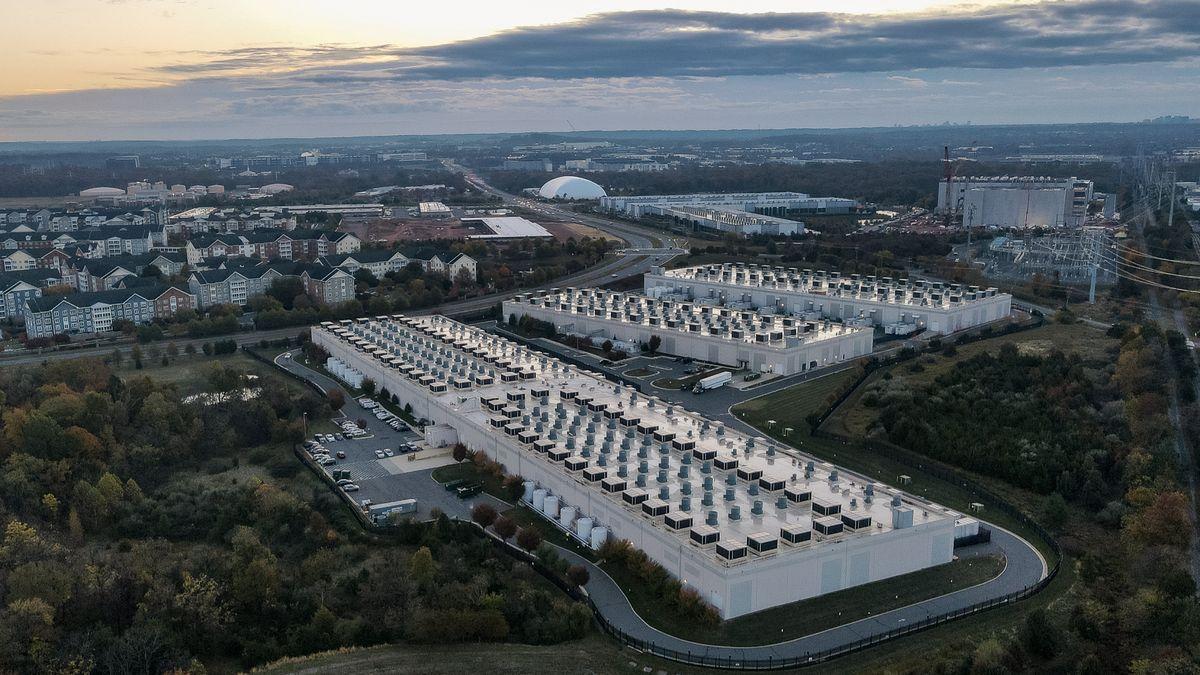
The Vantage data center in Sterling, Virginia. (Maxine Wallace/The Washington Post) As a backlash against data centers spreads across the nation, sparked by worries the giant computing warehouses will raise energy bills and increase pollution, voters in one California city have a clear message for Silicon Valley: Don't bring your projects here. Ever. Residents of Monterey Park, east of Los Angeles, decisively approved the nation's first permanent ban on data centers in Tuesday's election, with more than 86 percent of voters supporting the prohibition, according to data from L.A. County. The ban in the predominantly Asian and Latino working-class city in Southern California's San Gabriel Valley is a major setback for the tech industry as it races to build out the infrastructure that fuels artificial intelligence. More communities are expressing frustration with the large developments, which consume huge amounts of energy. Dozens of cities and counties have passed temporary bans on data centers, and several states are weighing moratoriums. Now Monterey Park officials say the community has created a template for resisting the facilities. "We hope others use our city as an example," Mayor Elizabeth Yang said. At least 67 other communities across the country have passed temporary bans, often lasting a year to 18 months, according to the U.S. Data Center Moratorium Tracker, a database maintained by the firm Interconnected Capital. On Thursday, the New York legislature passed a one-year moratorium on large data centers. If signed by Gov. Kathy Hochul (D), it would be the first statewide ban. A similar ban passed by Maine lawmakers in April was recently vetoed by the state's governor. At least three counties in Maryland, including Baltimore County, have passed one-year moratoriums. Voters in the small Milwaukee suburb of Port Washington, where Oracle and OpenAI are building a $15 billion, 1.3 gigawatt data center that is part of their network of "Stargate" compute campuses, overwhelmingly approved a measure this year that requires voter approval before developers can receive tax breaks for future data centers. "The wave of anti-data center protest has exploded over the last six months," said Miquel Vila of Data Center Watch, an AI security firm's research project that tracks resistance to the facilities. "There are demands for moratoriums even in places where there are no planned data centers." Khara Boender, director of state policy at the Data Center Coalition, an industry group, said the vote in Monterey Park would "send a signal that the area is closed for business, both for data centers and for other significant economic development projects." "The data center industry will continue to work with California residents, communities and policymakers to support the responsible development of this critical infrastructure and ensure California remains competitive in the modern economy," Boender said. The Monterey Park vote was sparked by a 247,000-square-foot data center proposed for a largely empty business park. City officials said the facility would have been built hundreds of feet from some residents' homes. It would have consumed three times the amount of electricity used by the entire city, population 60,000. "People felt we were being targeted because this is a predominantly ethnic minority community," said Jose Sanchez, a city council member who pushed for the ban. Leading up to the Monterey Park ballot measure, community members jammed local hearings demanding the proposed data center be blocked. "They were hearing horror stories from other communities ... These data centers have a bad reputation," Yang, the mayor, said. Residents were concerned about noise concerns and excessive use of power and water, she said. The city estimated that the data center could generate $3 million to $5 million per year for local services. The city council ultimately blocked the project, Sanchez said, but residents wanted broader and more permanent action that could not be reversed by future elected officials. Polling shows voters have turned sharply against data center projects even in places where they were previously welcomed. In 2023, 69 percent of Virginia voters said they would be comfortable living near such projects. Today that figure is 35 percent, a recent Post-Schar School poll found. Virginia hosts roughly a quarter of all data centers in the country.
[3]
'Who wouldn't want a large-scale industrial polluter sitting in their backyard?': California residents ban data centers as public backlash grows
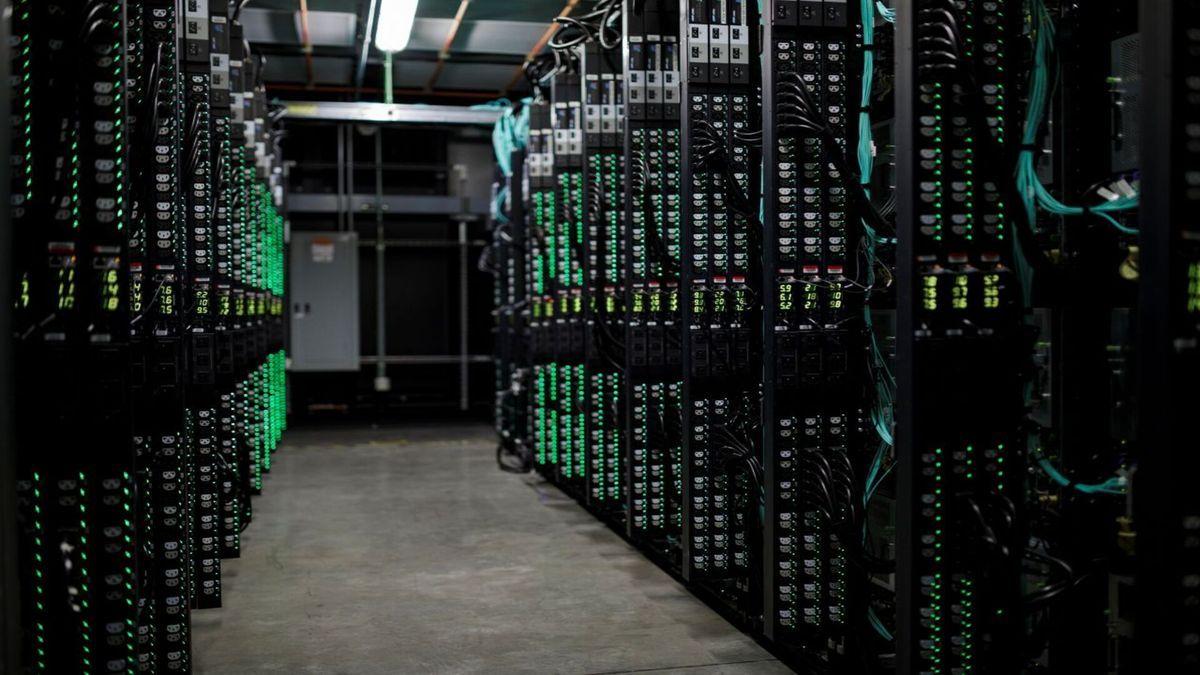
* Monterey Park becomes the first city to ban data center building * Elsewhere, public opinion is turning against data center construction * There are concerns over expense, pollution, and electricity use As well as developing new models and pushing subscriptions, AI companies have something else to worry about: getting enough data centers built. The California city Monterey Park just became the first to ban the building of these processing hubs, amid growing worries over costs, energy use, and pollution. The vote from the citizens of Monterey Park was pretty emphatic too, with The Guardian reporting that 86.3% of the community wanted nothing to do with data centers. The issues mentioned on the ballot included the protections for air quality, drinking water, public health, and electricity and water rates. There's growing evidence for the harms that data centers can do to the environment, through creating local urban 'heat islands', producing noise pollution from diesel generators and air conditioning systems, and using up large volumes of water in order to keep everything cool. At the same time, as cloud computing and AI demands grow, these data centers are increasingly needed. Researchers are calling for more to be done to improve the eco-friendliness of data centers, particularly in reducing water use and recycling waste heat, as well as positioning them further from built-up areas. This is something the tech giants are trying to work on, but the amount of progress they're making isn't clear: at the same time that Microsoft is promising big efficiency gains in data centers, it's also getting into trouble for needing too much electricity for its operations. At the moment, the promises and the reality don't quite match up. 'The biggest issue' In first, California city overwhelmingly votes to permanently ban datacenters from r/technology While Monterey Park has become the first city to put an outright ban in place, many other areas have moratoriums in place, which essentially put a pause on data center development. It seems public opinion is turning against these constructions in general, with 71% percent of Americans now against a data center in their neighborhood. In recent weeks we've seen famous activist Erin Brockovich start to track the spread of data centers across the US. As per Brockovich's figures, there are now more than 4,200 data centers in the country dedicated to supplying AI demand -- and while AI isn't the only use for data centers, it's currently the primary reason they're being built. "Who wouldn't want a large-scale industrial polluter sitting in their backyard?" is one Reddit post that sums up the general mood online, with other commenters asking for "aggressive regulation" describing it as "the biggest issue in the USA right now". There are also concerns over AI more generally, including its potential effect on the jobs market. A separate report from MarketWatch says that more money is now being spent in the US on data centers than the government spends on transportation infrastructure (excluding highways and streets) -- another eye-opening stat that we're in a real crunch time for AI technology and the economics it's based on. "All we want is healthcare and high speed rail and all we get is a chatbot telling us there are no r's in 'strawberry'," suggests one Redditor, which reflects the overriding sentiment right now (at least outside of the AI bubble). It's not just the expense that's the problem, it's that it could be well spent elsewhere. Follow TechRadar on Google News and add us as a preferred source to get our expert news, reviews, and opinion in your feeds.
[4]
Voters just did something no U.S. city has ever done to stop AI data centers
Voters in one Los Angeles suburb just overwhelmingly rejected the development of data centers in their area -- for good. In the latest sign that Americans are souring on artificial intelligence, in a special municipal election on June 2 the residents of Monterey Park, California, voted in favor of a permanent ban on data centers in their community. While other cities have voted to limit or pause new construction of data centers, Monterey Park is the first to vote to block data centers in perpetuity. Voters in Monterey Park, a city of around 60,000 in L.A. County, passed Measure NDC, which amends the city's land use plan, to "prohibit data centers citywide to protect air quality, drinking water resources and public health; [and] prevent impacts to electricity and water rates." In a fact sheet urging residents to vote yes on the ballot measure, Monterey Park Mayor Elizabeth Yang and members of the City Council cited environmental concerns, a lack of job creation, and the potential drain on local resources. "Once we allow data centers, it is very hard to remove them," the argument in favor of the measure states. "A YES vote protects our city."
Share
Copy Link
Voters in Monterey Park, California, overwhelmingly approved the nation's first permanent ban on data centers, with more than 86% supporting the prohibition. The ballot measure reflects growing public backlash against data centers nationwide, driven by concerns over noise pollution, electricity consumption, water shortages, and environmental impact as the AI industry races to build infrastructure.
Voters in Monterey Park, California, made history by approving a permanent ban on data centers with more than 86% support in Tuesday's election, marking the first time a U.S. city has enacted such a prohibition through a ballot measure
1
. The referendum in favor of Measure NDC amends the city's land use plan to "prohibit data centers citywide to protect air quality, drinking water resources and public health; [and] prevent impacts to electricity and water rates"4
. The decisive vote in the predominantly Asian American city just east of downtown Los Angeles represents a major setback for the tech industry as it races to build out artificial intelligence infrastructure2
.
Source: TechRadar
The first-in-nation permanent data center ban reflects increasing resistance around the country to the warehouses that fuel the AI industry. At least 67 other communities across the nation have passed temporary bans, often lasting a year to 18 months, according to the U.S. Data Center Moratorium Tracker
2
. The New York legislature recently passed a one-year moratorium on large data centers, while at least three Maryland counties, including Baltimore County, have enacted similar restrictions. "The wave of anti-data center protest has exploded over the last six months," said Miquel Vila of Data Center Watch, noting that "there are demands for moratoriums even in places where there are no planned data centers"2
.The community concerns in Monterey Park took hold in January when hundreds turned up to a City Council meeting to oppose a proposed 247,000-square-foot data center by HMC StratCap, an Australian-owned investment firm. The meeting drew so many speakers that it carried on past midnight
1
. Residents voiced worries about noise pollution from diesel generators and air conditioning systems, electricity consumption that would have been three times the amount used by the entire city of 60,000 people, and water shortages needed to keep machines cool2
. "People felt we were being targeted because this is a predominantly ethnic minority community," said Jose Sanchez, a city council member who pushed for the ballot measure2
.Source: Washington Post
Related Stories
Mayor Elizabeth Yang said Monterey Park officials hope others use the city as an example
2
. The shift in public sentiment is dramatic: polling shows that in Virginia, which hosts roughly a quarter of all data centers in the country, voters comfortable living near such projects dropped from 69% in 2023 to just 35% today2
. Nationally, 71% of Americans now oppose having a data center in their neighborhood3
. The proposed facility in Monterey Park would have generated $3 million to $5 million per year for local services, but residents wanted broader and more permanent action that could not be reversed by future elected officials2
. HMC StratCap abandoned the project several weeks after the City Council voted to add the measure to the ballot1
. The industry warns the vote will "send a signal that the area is closed for business," according to Khara Boender of the Data Center Coalition2
.Summarized by
Navi
[2]
09 Dec 2025•Policy and Regulation

14 Mar 2026•Policy and Regulation
13 May 2026•Policy and Regulation

1
Technology

2
Business and Economy

3
Health