Nvidia's AI Chip Sales to China: A Complex Trade Deal Involving Rare Earth Elements


10 Sources
[1]
Nvidia's resumption of H20 chip sales related to rare earth element trade talks | TechCrunch
Rare earth elements appear to be behind Nvidia's stance on China. After announcing in June plans to essentially withdraw from the Chinese market, the semiconductor chip and AI giant reversed course and said it was filing an application to restart sales of its H20 AI chip to China. U.S. Commerce
[2]
Nvidia's China return buys time for Beijing to boost its chip drive
However, they also said the trajectory for China to move to a more domestic tech stack has not changed.As semiconductors have become a geopolitical hot potato over the past few years, it's no surprise that Nvidia , the leader in artificial intelligence-related chips, has been caught up in
[3]
As Trump Courts a More Assertive Beijing, China Hawks Are Losing Out
Ana Swanson reported from Washington and Tripp Mickle from San Francisco In recent years, one of China's biggest requests of American officials has been that the United States relax its strict controls on advanced artificial intelligence chips, measures that were put in place to slow Beijing's
[4]
Opinion | America Will Come to Regret Selling A.I. Chips to China
Dr. Buchanan served as the White House special adviser for A.I. during the Biden administration. The Trump administration announced last week that it would allow China to purchase advanced artificial intelligence chips from the tech giant Nvidia. The decision, a reversal of the administration's
[5]
The US squeezed Nvidia's AI chip export deal with China into negotiations over important rare earth elements, bizarrely claiming 'we put that in the trade deal with the magnets'
News broke earlier this week that Nvidia was filing applications to sell its H20 AI GPUs in China once more, and that the US government had assured it that a license to sell the high-powered hardware would be granted. Now we're learning a little more about how this arrangement might work, and it
[6]

Selling US-made AI chips to China sacrifices America's global standing
In what Bloomberg termed "a dramatic reversal," the Trump administration will grant licenses to Nvidia Corp. so that it can sell its H20 chips to Chinese parties. In April, Trump officials had prohibited the sale of H20s to that country. At the same time, Advanced Micro Devices announced plans to
[7]

As Trump courts a more assertive Beijing, China hawks are losing out - The Economic Times
The Trump administration has reversed a ban on Nvidia's H20 AI chip sales to China, easing tensions in a complex trade dispute. This shift follows China's restrictions on rare earth exports. Both nations are cautiously rebuilding ties, with potential trade talks and a summit between Trump and Xi
[8]
Trump's fab plan to let Nvidia chip into China again hides a 'rare' agenda
The US, under President Trump, is allowing Nvidia to resume H20 AI chip sales to China, reversing earlier export bans. This decision is linked to negotiations regarding rare earth element supplies, critical for US manufacturing. The move reflects a strategy of using export controls as bargaining
[9]

NVIDIA's H20 Ban Lifted in High-Stakes Trade Talks For China's Rare Earths, Says US Commerce Secretary Howard Lutnick; But Was It Worth It?
NVIDIA's H20 AI accelerator was permitted for export to China in a trade-off with rare earth metals, reveals the US Commerce Secretary, but was the deal worth it? Well, last week, NVIDIA's CEO Jensen Huang immediately announced while being in Beijing that the Trump administration would lift the
[10]

Nvidia Chips Are Flowing to China Again -- What That Means for AI Adoption Trends | The Motley Fool
Nvidia (NVDA -0.42%) has had an almost unreal ascent over the past few years. It crossed the $1 trillion market cap threshold in 2023 and became the fifth-largest company in the world. And it has skipped over the front-runners in two years, increasing by 329%, to become the most valuable company in
Share
Copy Link
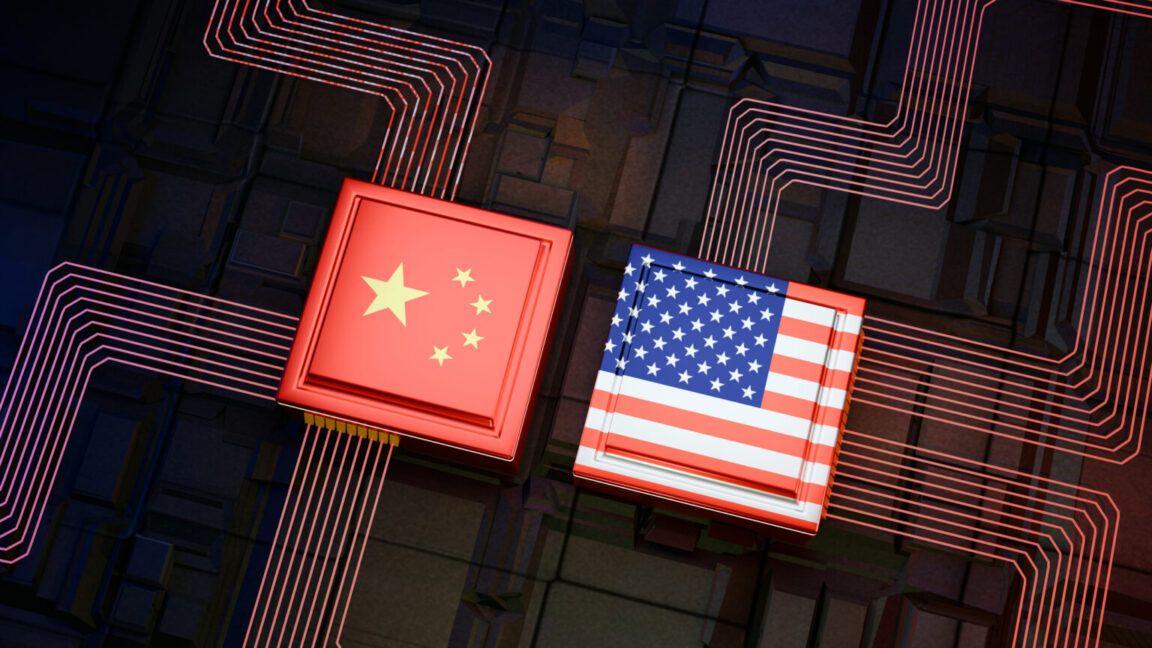
The Trump administration's decision to allow Nvidia to resume sales of its H20 AI chips to China is part of a broader trade deal involving rare earth elements, highlighting the intricate relationship between technology, geopolitics, and global supply chains.
Nvidia's Return to the Chinese Market
In a significant policy shift, the Trump administration has allowed Nvidia to resume sales of its H20 AI chips to China
1
. This decision, which reverses previous export restrictions, is part of a complex trade negotiation involving rare earth elements crucial for technology manufacturing2
.The Trade Deal: AI Chips for Rare Earths
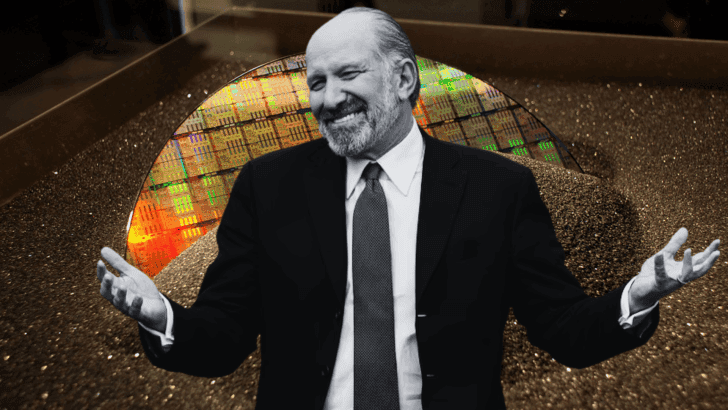
U.S. Commerce Secretary Howard Lutnick revealed that Nvidia's plans to sell H20 AI chips are tied to ongoing discussions with China regarding rare earth elements
1
. These elements, primarily mined in China, are essential for various technologies, including electric vehicle batteries. The deal also includes China's agreement to resume exports of "any necessary rare earths" and "full magnets" to the United States5
.
Source: Wccftech
Strategic Implications for Both Nations
For the U.S., allowing Nvidia's return to China could help cement American strength in AI globally
2
. It keeps Chinese firms using the American technology stack, maintaining U.S. influence over global AI development. For China, access to Nvidia's chips buys time as it continues efforts to build domestic alternatives and keep pace with AI software development2
.Concerns and Criticisms
The decision has faced criticism from some U.S. officials. Congressman Raja Krishnamoorthi expressed concern that this move could provide advanced technologies to foreign adversaries
1
. Others worry that it might undermine U.S. tech companies and pose national security risks4
.Nvidia's Position and China's AI Landscape

Source: TechCrunch
Nvidia has argued that selling the H20 chip would be better for American technology leadership than withholding it
3
. The company's CEO, Jensen Huang, has been critical of export curbs, stating that restrictions could boost China's domestic semiconductor industry and erode America's technological edge2
.Related Stories
The H20 Chip and Its Capabilities
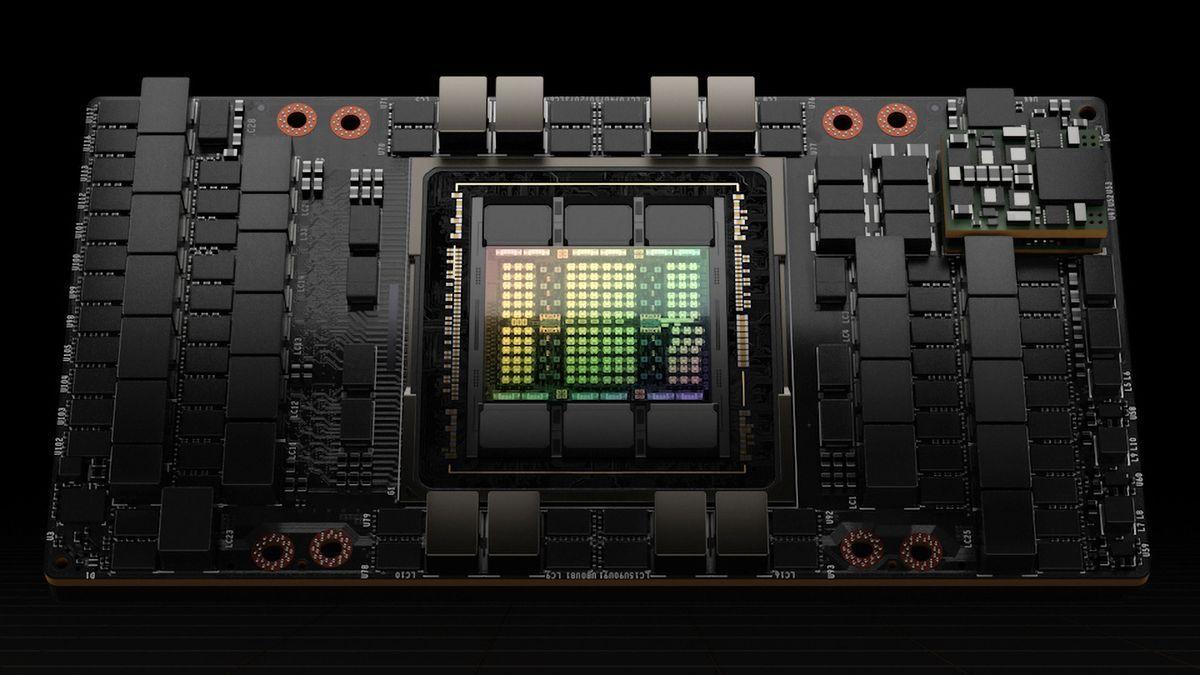
The H20 is a lower-level but still coveted chip, designed to elude U.S. export controls
4
. It features mediocre processing but large amounts of high-bandwidth memory, making it particularly effective for AI inference tasks4
. This capability could significantly boost Chinese AI companies like DeepSeek, potentially allowing them to compete more effectively with U.S. firms in the global market4
.Broader Geopolitical Context
Source: ET
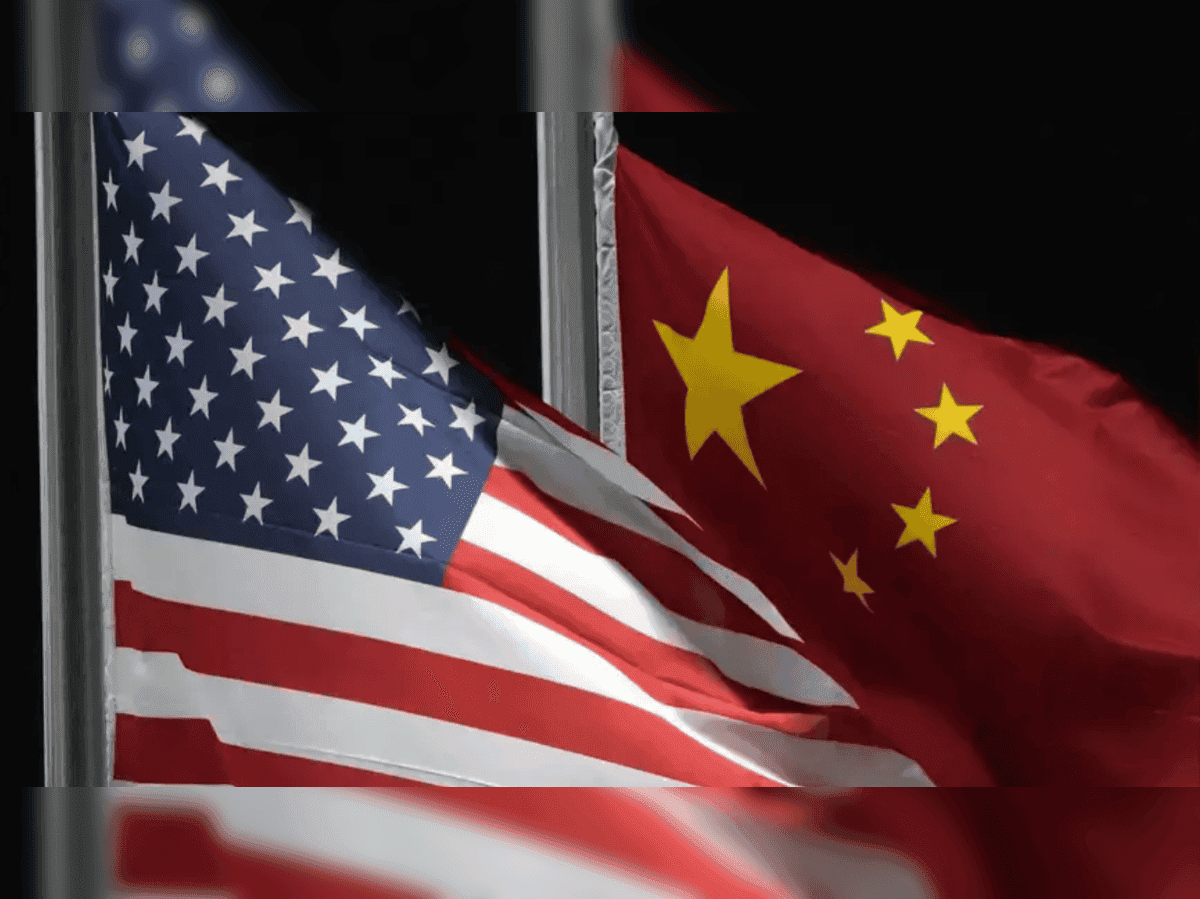
This development is part of a larger shift in the Trump administration's approach to China. After initially taking a more aggressive stance, the administration now appears to be pursuing a strategy of engagement and negotiation
3
. This change in tactics comes after China's retaliatory measures, such as restricting rare earth exports, demonstrated the interconnectedness of the two economies and the potential risks of an escalating trade war3
.Future Implications
The decision to allow H20 chip sales to China could have far-reaching consequences for the global AI landscape. While it may provide short-term benefits for Nvidia and maintain U.S. influence in China's AI development, critics argue it could ultimately strengthen China's AI capabilities and military applications
4
. The move also highlights the delicate balance between economic interests, technological leadership, and national security concerns in the ongoing U.S.-China relationship.References
Summarized by

Navi
[1]
Related Stories
Nvidia's Global AI Chip Sales Spark Geopolitical Tensions and Regulatory Concerns
20 Dec 2024•Business and Economy

Trump's Controversial AI Chip Deal with Nvidia and AMD Reshapes US-China Tech Relations
16 Aug 2025•Technology
Nvidia Set to Resume AI Chip Sales to China Amid Regulatory Shifts
10 Jul 2025•Technology
Recent Highlights



Recent Highlights
Today's Top Stories





Don’t drown in AI news. We cut through the noise - filtering, ranking and summarizing the most important AI news, breakthroughs and research daily. Follow topics that matter to you and stay ahead.


