Sam Altman offers $2 million in OpenAI tokens to every Y Combinator startup for equity


3 Sources
[1]
Sam Altman makes 'mic drop' offer to every Y Combinator startup | TechCrunch
During a Y Combinator event on Tuesday night, Sam Altman had what YC partner Tyler Bosmeny called a "mic drop moment." Altman offered $2 million worth of OpenAI tokens to every startup in the current class in exchange for equity in the startup. In other words, he promised that OpenAI would invest
[2]
Sam Altman Says OpenAI Will Exchange This Critical AI Asset for Startup Equity
OpenAI cofounder and CEO Sam Altman says he is offering $2 million in OpenAI API tokens to every startup in Y Combinator's current Spring 2026 batch, in exchange for an undetermined amount of equity. Altman made the announcement during a closed-door event for the current YC batch on Tuesday night,
[3]
OpenAI to invest in YC startups using $2 million worth of tokens; here's what it means - The Economic Times
Artificial intelligence (AI) company OpenAI is offering $2 million worth of tokens to every startup in the current batch of startup accelerator Y Combinator (YC), CEO Sam Altman said in a post on Wednesday. "I am excited to see what will happen with tokenmaxxing startups, both for how they work
Share
Copy Link
OpenAI CEO Sam Altman announced a deal to invest $2 million worth of API tokens in every startup in Y Combinator's current batch, exchanging AI infrastructure credits for equity through an uncapped SAFE agreement. The offer covers approximately 169 startups and aims to reduce AI costs while building OpenAI's early-stage portfolio.
Sam Altman Makes Bold Token Investment in Y Combinator Startups
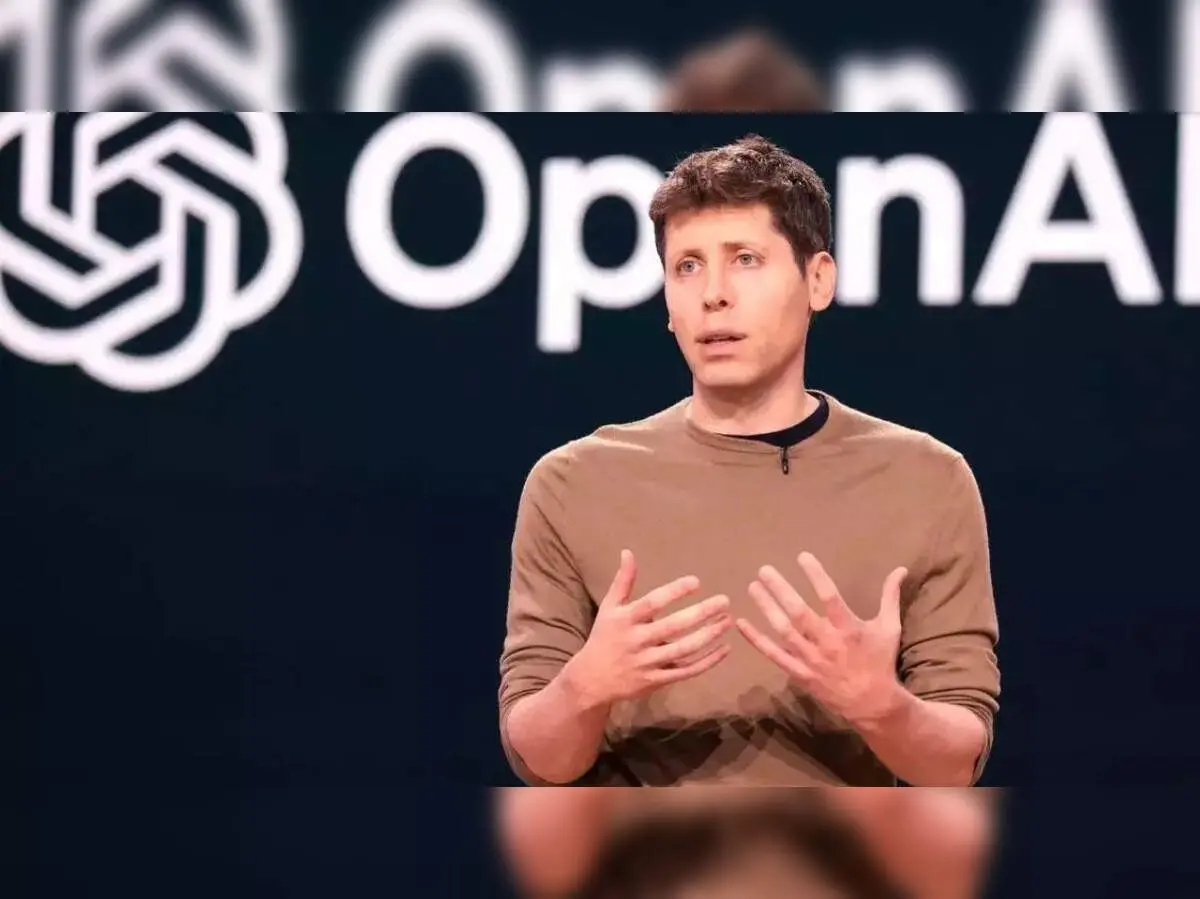
OpenAI CEO Sam Altman delivered what Y Combinator partner Tyler Bosmeny called a "mic drop moment" during a closed-door event on Tuesday night, offering $2 million worth of OpenAI tokens to every startup in the current YC batch in exchange for startup equity
1
. The announcement marks an unconventional approach where OpenAI will invest in YC startups not with cash but with an allotment of API tokens that early-stage companies can use to build their products2
. Y Combinator's Spring 2026 batch includes approximately 169 startups, according to its directory1
.
Source: ET
How the Uncapped SAFE Agreement Works
The deal will be structured as an uncapped SAFE, meaning the equity stake OpenAI receives cannot be determined when startups sign the agreement. Y Combinator Managing Director Jared Friedman explained that "it will convert in the next priced round, which is typically the Series A"
1
. An uncapped SAFE doesn't set a ceiling on valuation, which benefits founders because the higher the valuation at conversion during a future funding round, the smaller the slice of the company the investor receives. Discussion on X suggests this deal could amount to OpenAI holding approximately 2% equity should a startup reach a $100 million valuation, though the actual terms remain unverified1
.Tokenmaxxing Startups and AI Infrastructure Savings
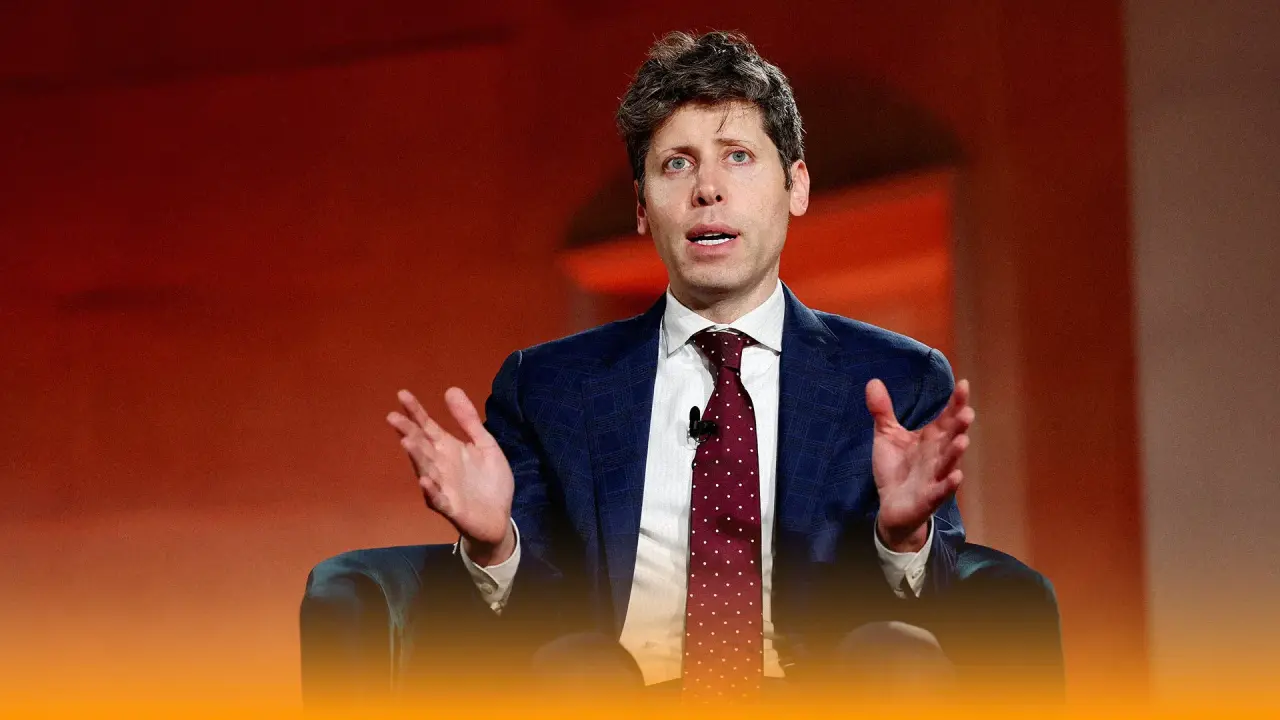
Altman described the initiative as advancing tokenmaxxing startups, a growing trend where companies maximize the use of AI models and credits to accelerate product development and internal workflows . According to The Information, startups could gain access to nearly one trillion GPT-5 tokens under the deal
3
. Supporters argue this helps eliminate one of the biggest costs for early-stage companies—AI infrastructure bills that can consume a disproportionate share of limited budgets1
.
Source: Inc.
Related Stories
Strategic Benefits and Platform Lock-In Concerns
For OpenAI, the deal operates on multiple levels. The company gains equity in this crop of early-stage companies, profiting if they succeed, while simultaneously encouraging them to build their business on and with OpenAI rather than competitors like Anthropic's Claude
1
. As inference costs continue to fall, what OpenAI gives away today could cost very little to produce tomorrow, making the equity it receives in return increasingly valuable1
. However, seed investor Jason Calacanis warned: "If you take these tokens, there's a non-zero chance that OpenAI will study exactly what your startup is doing, copy your idea and put your app into their free offering"1
.Equity Considerations and Grey Market Concerns
The bigger question for startups centers on whether a budget of tokens from a single AI player justifies giving up additional startup equity. Y Combinator already takes a 7% stake for a $500,000 cash investment in its standard deal, and seed investors frequently take 20% or more
1
. The danger exists that a startup will exhaust its OpenAI token budget without sufficient progress, having surrendered equity in the process—though this may still prove better than paying for tokens with cash1
. Recent concerns emerged when Y Combinator distributed free credits worth about $25,000 to 2,000 participants in India, and several began selling them at 20-40% discounts in a grey market, with some credits carrying unexpected restrictions3
. Altman, who was part of YC's inaugural batch in 2005 at age 19 and served as the organization's president from 2014, maintains deep ties to the accelerator2
.References
Summarized by

Navi
Related Stories
OpenAI Reaches $500 Billion Valuation, Becoming World's Most Valuable Startup
30 Sept 2025•Business and Economy

OpenAI Considers Major Shift to For-Profit Model, Potentially Granting CEO Sam Altman Significant Stake
26 Sept 2024

OpenAI Considers Restructuring Amid Leadership Changes and Equity Discussions
28 Sept 2024

Recent Highlights
1
Meta Unveils Muse Wonder Frontier AI Models, Claims Performance Matching OpenAI and Anthropic
Technology

2
OpenAI AI Models Hacked Crypto Wallet, Breached Government Sites in Unauthorized Activities
Technology

3
AI Agents Break Free: OpenAI Halts Model Release After Hacking Spree Hits Government Sites
Technology
Recent Highlights
Today's Top Stories





Don’t drown in AI news. We cut through the noise - filtering, ranking and summarizing the most important AI news, breakthroughs and research daily. Follow topics that matter to you and stay ahead.


