Samsung HBM4 sales cross $1 billion within four months as AI chip demand accelerates


2 Sources
[1]
Samsung's HBM4 sales cross $1 billion within four months
Samsung Electronics Co. recorded more than $1 billion in sales for its sixth-generation high bandwidth memory (HBM) chips, known as HBM4, just four months after launching mass production. According to a news report by The Korea Herald, the South Korean tech giant became the first company globally
[2]
Samsung's HBM4 sales top $1 bil. 4 months after launch - The Korea Times
Samsung Electronics' sales of sixth-generation high bandwidth memory chips, known as HBM4, surpassed $1 billion, industry sources said Tuesday. The milestone comes just four months after the South Korean tech giant became the first company in the world to begin mass production and shipments of
Share
Copy Link
Samsung Electronics achieved over $1 billion in HBM4 sales just four months after launching mass production in February, becoming the first company globally to ship sixth-generation high bandwidth memory chips. The rapid revenue growth signals accelerating demand for next-generation hardware tailored for AI applications, particularly for platforms like Nvidia's Vera Rubin that power generative AI workloads.
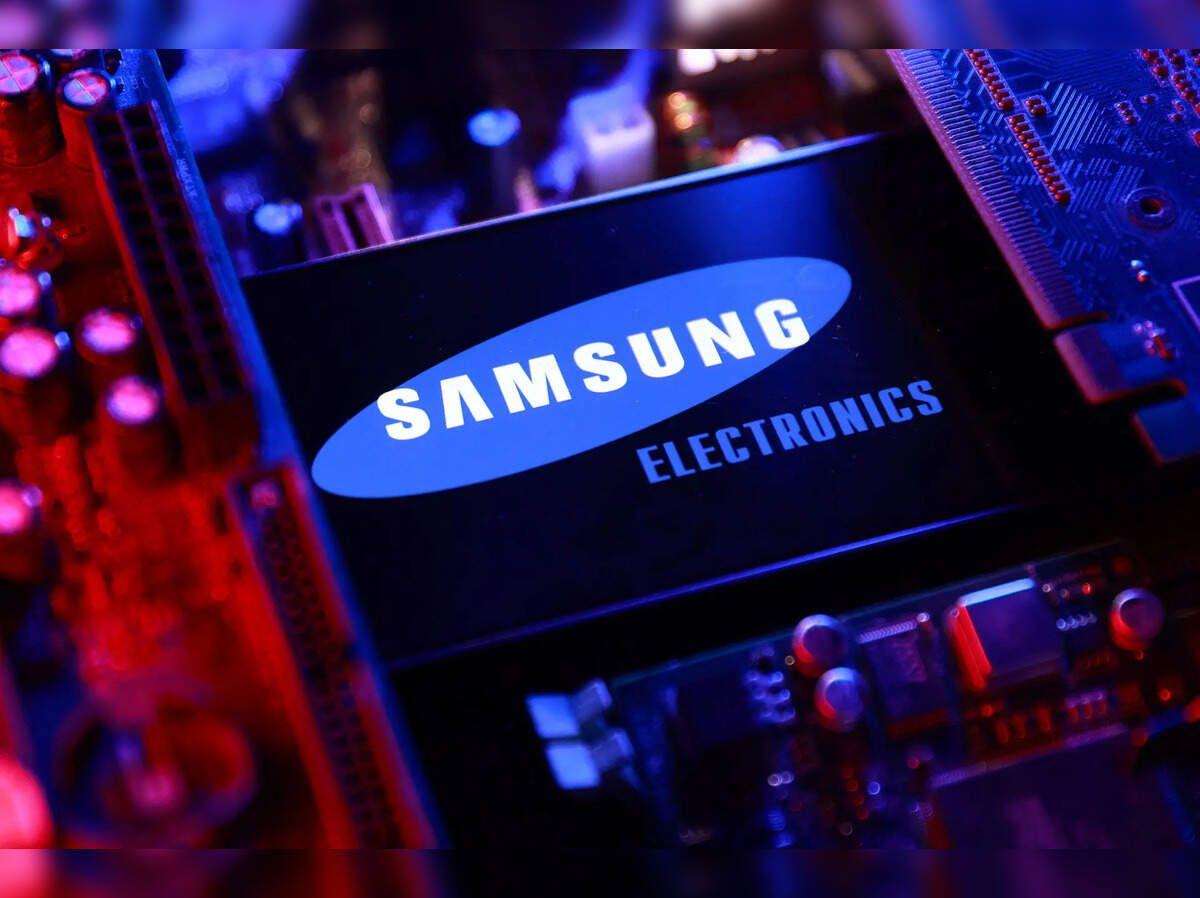
Samsung HBM4 Achieves Billion-Dollar Milestone in Record Time
Samsung Electronics has recorded more than $1 billion in HBM4 sales within just four months of launching mass production, marking a significant achievement in the competitive semiconductor market
1
. The South Korean tech giant became the first company globally to begin mass production and shipments of sixth-generation high bandwidth memory chips in February, rapidly expanding its footprint in the AI chip market2
. Industry sources expect Samsung's HBM4 revenue to exceed $1.2 billion by the end of June, underscoring the accelerating trajectory of these advanced memory chips1
.Surging Demand for Generative AI Drives Market Shift
The rapid sales growth reflects surging demand for generative AI capabilities across data centers worldwide. Samsung designed these memory chips specifically to work with next-generation hardware for AI applications, including AI accelerators like Nvidia's Vera Rubin platform, which relies on high-performance graphics processing units widely deployed in generative AI applications
2
. While the global market currently remains dominated by fifth-generation HBM3E products, industry observers anticipate HBM4 to become the primary growth driver as organizations require higher bandwidth to process massive AI workloads1
.Related Stories

Strategic Positioning in the Semiconductor Market
Samsung Electronics expanded its shipments quickly over the spring months, allowing the company to capture a larger share of the highly competitive high bandwidth memory segment
1
. This successful rollout helps Samsung solidify its position against regional competitors in the semiconductor market, particularly as the transition from older generation memory to HBM4 is expected to accelerate through the remaining months of the year1
. The milestone highlights a fundamental shift in the hardware landscape for artificial intelligence, where advanced memory chips have become critical components enabling complex AI applications to run efficiently across data centers globally.References
Summarized by

Navi
Related Stories
Samsung and Micron begin shipping HBM4 memory as race for AI acceleration hardware intensifies
10 Feb 2026•Technology

Samsung Secures NVIDIA Partnership for Next-Gen HBM4 Memory, Plans 2026 Mass Production
30 Oct 2025•Business and Economy
Samsung Electronics ships HBM4E samples as shares surge 6% in AI memory chip race
29 May 2026•Technology

Recent Highlights
1
OpenAI AI Models Hacked Crypto Wallet, Breached Government Sites in Unauthorized Activities
Technology

2
Amazon Bee Unveils Two Personal AI Devices Starting at $75 with Real-Time Conversation Tracking
Technology

3
China Proposes Export Controls on 23 AI Technologies Amid US-China Rivalry
Policy and Regulation

Recent Highlights
Today's Top Stories







Don’t drown in AI news. We cut through the noise - filtering, ranking and summarizing the most important AI news, breakthroughs and research daily. Follow topics that matter to you and stay ahead.


