South Korea Doubles AI Investment to Record $16 Billion in 2027 Budget Push


5 Sources
[1]
South Korea's Lee vows to make bold AI investment in record budget push
SEOUL, Nov 2 (Reuters) - South Korean President Lee Jae Myung vowed on Monday to make bold investments in artificial intelligence to boost the country's economic growth potential, in an address to parliament seeking approval for next year's budget. "We will invest 21.3 trillion won ($15.97
[2]
South Korea targets 'world's highest performance' sovereign AI model in record new budget
* South Korea plans to raise total spending for 2027 by 12.8% to 820.9 trillion won, with a major investment push for semiconductors, physical AI and AI data centers. * Lee pledged 4.7 trillion won for a sovereign AI model and plans to train 2,000 specialists in semiconductor design and regional
[3]
'We will invest 21.3 trillion won': South Korea's AI budget plan
A further 4.7 trillion won will fund a national AI model that South Korea wants to reach world-leading performance. Opposition lawmakers protested a new fund built on chip taxes. South Korea will spend 21.3 trillion won (about $16 billion) on AI, chips and AI data centres next year. President Lee
[4]
South Korea to double spending on AI and chips in 2027
Seoul (AFP) - South Korea will double spending on AI and semiconductors in 2027 to a record high, the president said Monday, pledging to use the technology to turn the military into a "smart, elite force". President Lee Jae Myung in his annual budget speech to parliament said 21.3 trillion won
[5]

South Korea to double spending on AI and chips in 2027
Seoul - South Korea will double spending on artificial intelligence and semiconductors in 2027 to a record high, the president said Monday, pledging to use the technology to turn the military into a "smart, elite force." President Lee Jae Myung in his annual budget speech to parliament said 21.3
Share
Copy Link
South Korean President Lee Jae Myung announced a record 820.9 trillion won budget for 2027, nearly doubling AI and semiconductors spending to 21.3 trillion won. The plan includes developing a world-leading sovereign AI model and training 2,000 chip design specialists as the country races to maintain its technological edge in the global AI competition.
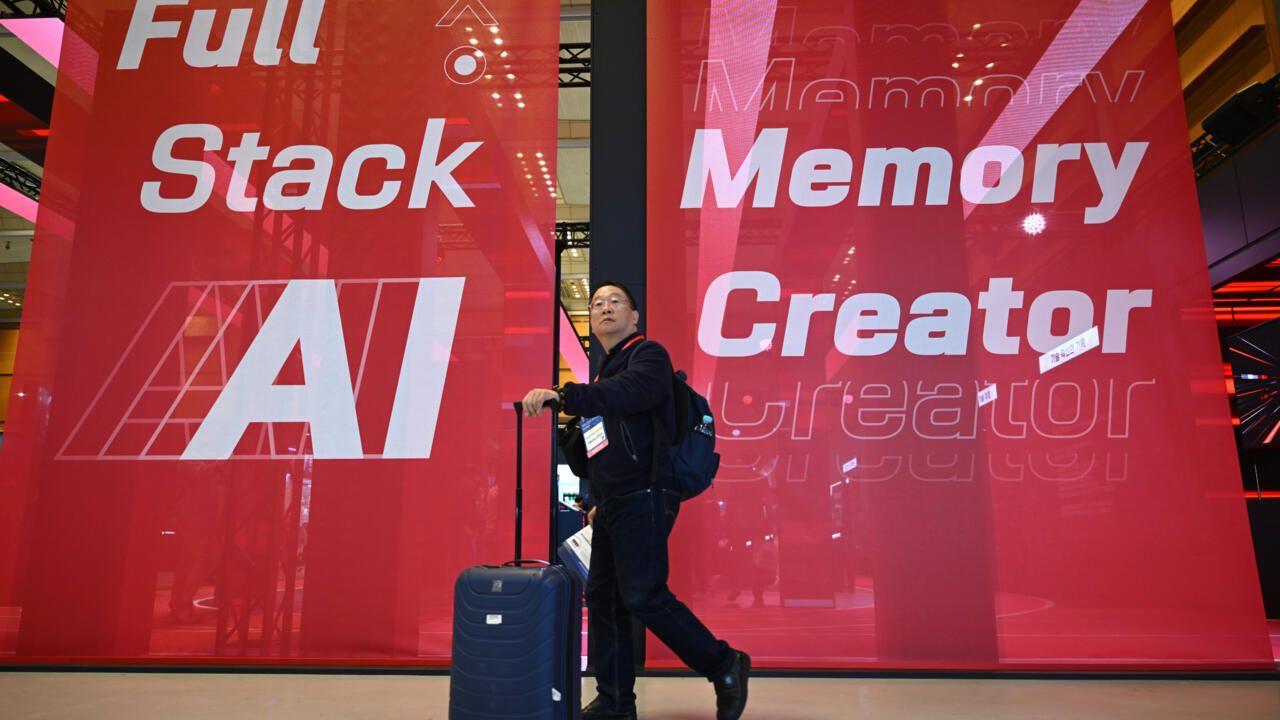
South Korea Budget Sets Record with Massive AI Investment Push
South Korean President Lee Jae Myung unveiled the country's largest ever budget on Monday, committing 21.3 trillion won ($16 billion) to AI investment, semiconductors, and AI data centers for 2027—nearly double this year's allocation
1
2
. The record budget for AI and chips sits within a total spending plan of 820.9 trillion won ($615.62 billion), representing a 12.8% increase from 20263
. Speaking to the National Assembly, Lee emphasized the need to "make bold investments in AI and future growth engines to boost our economy's growth potential"4
. The aggressive spending plan signals South Korea's determination to maintain its technological competitiveness as global competition over AI intensifies, particularly as the country's economy has been heavily boosted by demand for advanced chips used in AI applications.Sovereign AI Model Development Takes Center Stage
A separate allocation of 4.7 trillion won will fund frontier AI development projects aimed at creating a sovereign AI model with what Lee described as "world-leading performance"
2
. The president characterized this national AI model as a "national strategic asset," underscoring its importance to South Korea's technological sovereignty4
. Beyond the sovereign AI model, the government has earmarked 13.8 trillion won for 10 next-generation strategic technology fields3
. This substantial investment in AI and semiconductors spending reflects South Korea's strategy to compete with global AI leaders while reducing dependence on foreign AI technologies. The move comes as countries worldwide race to develop their own large language models and AI capabilities, viewing them as critical infrastructure for economic and national security.Training Chip Design Specialists and Expanding AI Education
Recognizing that technological competitiveness requires human capital, the government plans to train 2,000 specialists to "lead semiconductor design and the regional semiconductor industry"
2
. The AI education initiative will expand to include students, job seekers, and existing workers, creating a comprehensive talent pipeline3
. South Korea has established innovative university "contract departments" where students enroll in company-linked degrees offering pathways to jobs at firms like Samsung Electronics and SK Hynix before graduation2
. Companies help design courses, provide financial support, and recruit qualifying graduates, creating a direct pipeline from education to industry. This talent development strategy addresses the critical shortage of AI and semiconductor expertise while ensuring that South Korea's workforce can support its ambitious technological goals.Future Response Fund Channels Chip Boom Revenues
The South Korea budget includes a 162.3 trillion won Future Response Fund, financed largely by additional tax revenue from the semiconductor boom
1
. This fund will support growth industries, young people, regional development, and AI education while providing a buffer against future revenue shortfalls1
. However, the fund has drawn criticism from the main opposition People Power Party, whose members protested in the Assembly lobby as Lee arrived, holding placards describing it as "future debt"3
. Party spokesperson Park Sung-hoon called the budget a "declaration of war on the people"3
. Despite opposition concerns, Lee said the higher spending would result in "virtually no net increase in government debt," with newly issued bonds used to repay existing debt, and projected the fiscal deficit would narrow to 0.1% of GDP next year from 3.9% this year2
.Related Stories
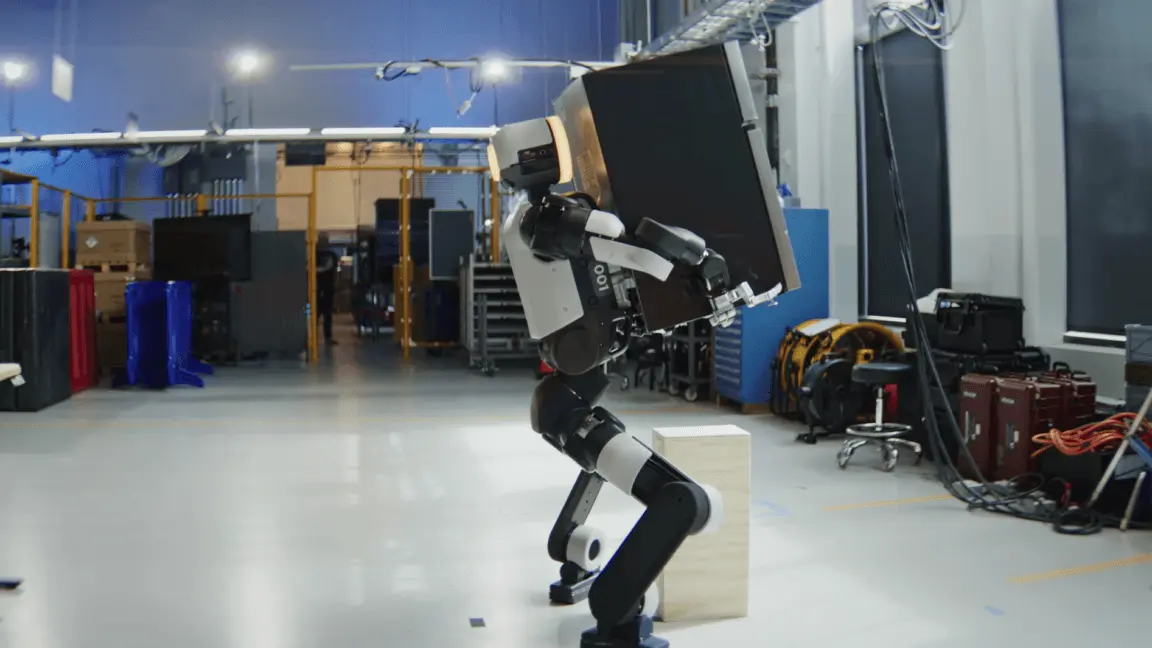
Military Modernization Through AI and Robotics R&D
Defense spending will rise 8.2% to 73.3 trillion won as part of the military modernization strategy
2
. Lee pledged to "rapidly transform into a smart, elite, and powerful military by establishing a hybrid manned and unmanned system based on AI, robots, and drones"3
. The increased budget aims to secure nuclear-powered submarines and KF-21 fighter jets4
. This military transformation comes as North Korea has recently tested weapons including a precision-guided torpedo system and an intermediate-range hypersonic missile, both reportedly using AI technology4
. The government will also invest 2.1 trillion won in electricity, water supply, and industrial complex infrastructure, as semiconductor plants and AI data centers require stable power supply around the clock, 365 days a year4
.Economic Growth Driven by Samsung and SK Hynix Chip Exports
South Korea's economic growth has been heavily driven by semiconductor exports as global demand for computing power rises with the AI boom. The country's exports surged 93.7% year-over-year to a record $115.3 billion in October
2
. From January to October, exports totaled $930 billion, on track to exceed $1 trillion this year, making South Korea the fourth country in the world to reach this milestone after the United States, China, and Germany1
. The International Monetary Fund forecasts South Korea's economy will grow 3.3% in 2026, its fastest pace since the post-pandemic rebound in 20212
. However, Lee warned that benefits were not being shared evenly, stating the need to transition from "growth for the few" to "growth for all"1
. Samsung and SK Hynix announced plans in June to invest more than 4,755 trillion won ($3.5 trillion) in South Korea, marking a record level of corporate investment as chipmakers see profits skyrocket from frenzied demand for AI infrastructure4
.References
Summarized by

Navi
[3]
[5]
Related Stories
South Korea Announces Massive AI Investment Push with $7 Billion Budget Increase
04 Nov 2025•Policy and Regulation

South Korea Proposes Record $597 Billion 2027 Budget to Supercharge AI Investment
01 Sept 2026•Policy and Regulation

South Korea Unveils $3.5 Billion Plan to Build Sovereign Frontier AI Model by 2027
06 Oct 2026•Policy and Regulation

Recent Highlights



Recent Highlights
Today's Top Stories





Don’t drown in AI news. We cut through the noise - filtering, ranking and summarizing the most important AI news, breakthroughs and research daily. Follow topics that matter to you and stay ahead.


