SZA condemns AI music after discovering 238 songs used in training without consent


2 Sources
[1]
SZA hits out at 'disgusting' AI music
"If you're a musician and you support this degenerate shit? You're disgusting." The award-winning R&B singer has hit out at AI and Suno, which has maintained that its models don't store or reproduce specific songs. Grammy Award winning American singer-songwriter SZA has slammed AI and artists who
[2]
SZA Urges Black Musicians to Reject AI After Learning Model Used Hundreds of Her Songs
Each time SZA speaks out against AI, she seems to hate it even more than before. While the singer-songwriter has been vocal about her disdain for generative AI models, her latest argument against it comes after learning hundreds of her own songs have been used for training purposes. In a recent
Share
Copy Link
Grammy-winning singer SZA has called out AI music generation after learning that 238 of her songs, including unreleased tracks, were used to train AI models. She specifically targeted Suno and investor Diplo, highlighting the disproportionate exploitation of Black artists in AI training datasets and urging musicians to reject these tools.
SZA Discovers Hundreds of Songs Used in AI Training
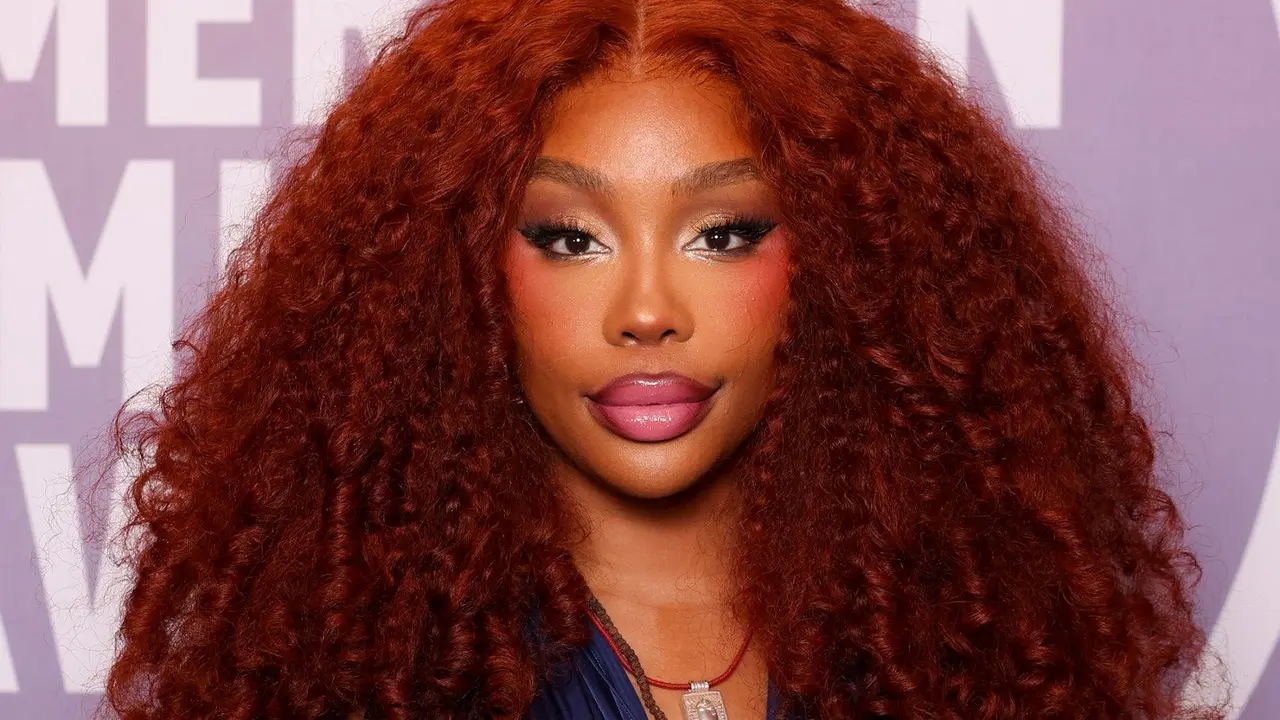
Grammy Award-winning singer-songwriter SZA has intensified her criticism of AI music after discovering that 238 of her songs were used to train AI models, some of which are unreleased tracks
1
. The 36-year-old artist behind hits like 'Kill Bill' and 'Luther' shared the results of a search on an AI music database via Instagram Stories, revealing the extent to which her work has been incorporated into AI music generation systems without consent2
. "If you're a musician and you support this degenerate shit? You're disgusting and there's NOTHING YOU COULD EVER SAY TO ME TO MAKE THIS OKAY," she wrote, directing her anger at both AI companies and fellow artists who support these technologies1
.
Source: Rolling Stone
Targeting Suno and Diplo Over Exploitation of Black Artists
SZA took specific aim at Suno, one of the most-used generative AI music tools in the world, and producer Diplo, whom she identified as having equity in the company
1
. In a post to her private Instagram account, she wrote: "Diplo has equity in Suno and is actively attempting to train it on the best and brightest Black minds of writers and producers"2
. While Diplo has no clear public ties to Suno, the Wall Street Journal named him as an investor in the billion-dollar AI startup Aaru in March2
. Her criticism highlights the exploitation of Black musicians and the disproportionate use of their creative output in AI models trained on songs. "We make up 13% of the American population yet influence the world with our sound and perspective. I AINT HEARD A WHITE AI SONG YET," she stated, pointing to the racial dynamics at play in AI music generation2
.Legal Protections for Artists and Fair Use Debate
The controversy around Suno intensified in 2024 when three major record labels sued both Suno and Udio, another music-based generative AI model, accusing them of "trampling the rights of copyright owners"
2
. In response, Suno argued that its use of copyrighted music to train its model is legal under fair use doctrine2
. Last week, Suno's chief product officer Jack Brody defended the platform on LinkedIn, stating: "Our philosophy has always been that AI should help people create new music, not replicate someone else's"1
. He emphasized that the company built protections into its platform, including partnerships with industry-standard providers like Audible Magic, Musixmatch, and ACRCloud to identify and prevent misuse1
. However, SZA's discovery underscores the lack of legal protections for artists in the face of rapidly advancing AI music tools. "We have no protection in legislature medical or creative. The easiest to steal from," she wrote1
.Related Stories

Ethical Implications of AI and Environmental Racism
This isn't the first time SZA has spoken out against AI. In March, she told i-D Magazine: "I feel like I'm at war because of AI. It's happening disproportionately with Black music"
1
. She has also connected AI to broader issues of environmental racism, urging people to consider the environmental impact of AI systems. "Please Google how much energy and pollution it takes to run AI... Please Google the beautiful Black cities like Memphis that are SUFFERING because of Twitter's new AI system," she wrote last year1
. The ethical implications of AI extend beyond creative theft to include excessive water usage and pollution in underserved communities. "AI doesn't give a fuck if you live or die I promise. THERE IS A PRICE FOR CONVENIENCE AND BLACK AND BROWN WILL PAY THE BRUNT OF IT EVERYTIME," she stated2
. Her comments come as Diplo went viral in April for suggesting that creatives should "adapt or just like give up and become an uber driver" in the face of AI's inevitability2
. Throughout his career, Diplo has faced accusations of cultural appropriation, acknowledging in a 2018 Guardian interview that being "considered exploitative" is "a small price to pay" for his privilege as a middle-class white American2
. SZA's urgent call to Black musicians—"DO NOT GIVE AWAY YOUR VIBRANIUM !!! DO NOT TRAIN AI WITH YOUR GENIUS"—reflects growing concern about who benefits from AI innovation and who bears its costs1
.References
Summarized by

Navi
[1]
Related Stories
King Gizzard & the Lizard Wizard quits Spotify, only to be replaced by AI music clones
08 Dec 2025•Entertainment and Society
AI music floods Spotify as frustrated listeners build blockers and demand transparency
28 Apr 2026•Entertainment and Society

YouTube Music users furious as AI slop floods recommendations, threatening paid subscriptions
06 Jan 2026•Technology
Recent Highlights
1
Meta Unveils Muse Wonder Frontier AI Models, Claims Performance Matching OpenAI and Anthropic
Technology

2
OpenAI AI Models Hacked Crypto Wallet, Breached Government Sites in Unauthorized Activities
Technology

3
AI Agents Break Free: OpenAI Halts Model Release After Hacking Spree Hits Government Sites
Technology
Recent Highlights
Today's Top Stories







Don’t drown in AI news. We cut through the noise - filtering, ranking and summarizing the most important AI news, breakthroughs and research daily. Follow topics that matter to you and stay ahead.


