Xpeng VLA 2.0 matches Tesla FSD in Beijing test drives, signaling shift in autonomous driving race


2 Sources
[1]
Xpeng VLA 2.0 test drive: Tesla is not alone with 'Full Self-Driving' anymore
I test-drove Xpeng's new VLA 2.0 autonomous driving system in Beijing last week, and after 40 minutes of navigating one of the most aggressive driving environments in the world, I didn't have to intervene once. This is a major development. Tesla has been the clear leader in advanced driver-assist
[2]
After using the Xpeng P7 Ultra's hands-free system, I'm convinced it's way better than Tesla's FSD | Stuff
Xpeng's VLA 2.0 might only be available in China right now, but it's more than a match for Tesla's full self driving When Xpeng suggested I try a hands-free autonomous drive around the roads close to the Beijing Autoshow I was keen, but also rather nervous. I'd already witnessed so much chaos on
Share
Copy Link
Xpeng's VLA 2.0 autonomous driving system completed 40-minute test drives through Beijing's aggressive traffic without human intervention. The end-to-end vision-to-action model, powered by 2,250 TOPS computing power, demonstrates performance comparable to Tesla's FSD v14, suggesting Tesla's dominance in advanced driver-assist systems is facing serious competition from Chinese automakers.

Xpeng VLA 2.0 Demonstrates Hands-Free Capability in Beijing Traffic
Xpeng has deployed its VLA 2.0 autonomous driving system across its latest vehicles, delivering what multiple test drives suggest is performance comparable to Tesla FSD. The system completed a 40-minute test drive through Beijing without requiring human intervention, navigating one of the world's most challenging urban environments where lane discipline is minimal and aggressive merging is standard
1
. A separate test of the hands-free system in the Xpeng P7 Ultra confirmed similar results, with the vehicle handling multi-lane highways and congested city streets autonomously2
.Rolled out via over-the-air updates starting in March 2026, VLA 2.0 is now available on Xpeng's P7, G7, and X9 vehicles in their Ultra configurations. The advanced driver-assist systems represent a significant evolution from Xpeng's previous NGP platform, marking a clear challenge to Tesla's long-standing leadership in self-driving technology
1
.End-to-End Vision-to-Action Model Powers AI-Powered Systems
The VLA 2.0 architecture employs an end-to-end vision-to-action model that translates camera inputs directly into driving decisions, eliminating the intermediate perception and planning layers that characterized previous systems. This end-to-end architecture mirrors the approach Tesla has taken with its neural network-based Tesla FSD, but Xpeng has iterated rapidly on the technology
1
.Powered by Xpeng's proprietary Turing AI chip, the system delivers up to 2,250 TOPS of computing power on production vehicles. The AI model was trained on 100 million clips from extreme driving scenarios, resulting in a 23% improvement in driving efficiency compared to the previous generation and 99% fewer hard braking events
1
. The driving software combines cameras positioned around the vehicle with bespoke algorithms to create a dynamic, smooth experience that adapts to traffic conditions in real-time2
.Xpeng vs Tesla Competition Intensifies in China
Xpeng CEO He Xiaopeng has directly engaged in the Xpeng vs Tesla rivalry, traveling to Silicon Valley to test Tesla's FSD v14.2 himself. After spending approximately five hours driving in San Francisco, He called it "near-Level 4" performance. However, he also set an ambitious target: Xpeng's VLA system must match FSD v14.2's performance in China by August 30, 2026
1
.The competitive dynamics are complicated by regulatory challenges. Tesla FSD is not yet approved in China, leaving Chinese Tesla owners running v13 while North American owners access v14. Despite Elon Musk's claims that approval would come in February, China delayed the authorization. Meanwhile, Volkswagen became the first external customer for VLA 2.0, deploying it in its new electric SUV for the EV market in China
1
.Related Stories

System Navigated Urban Traffic Without Human Intervention
During test drives, VLA 2.0 demonstrated its training for Chinese road conditions by handling situations that would challenge most autonomous systems. In one notable moment, the vehicle needed to merge into a tight gap in heavy traffic. Rather than hesitating or requiring human takeover, VLA 2.0 committed to the gap, asserting itself into the lane the way an experienced Beijing driver would—firmly but smoothly
1
.The system seamlessly navigated complex intersections, managed aggressive merging situations, and maintained appropriate flow with surrounding traffic. Testers noted the dynamic nature of the system, which provided subtle throttle adjustments and smooth braking without the overly cautious behavior that characterizes many driver-assist systems. The Xpeng P7 even demonstrated automated parking capability, reversing itself into parking spaces without human intervention
2
.Expansion Plans and Market Implications
Xpeng is already testing VLA 2.0 in Europe, though regulatory approval remains uncertain. The company is developing its own global charging network, starting in China with plans to extend to dozens of countries—a strategy that mirrors Tesla's successful approach to building charging infrastructure alongside vehicle sales. Brian Gu, Vice Chairman and President of Xpeng, emphasized the company's focus extends "beyond just electrification" to create a comprehensive technology experience
2
.The pricing strategy also differs significantly. Xpeng includes VLA 2.0 in its vehicles, while Tesla charges $99 per month for its FSD subscription in the US, with signals that prices will increase as capabilities improve. Tesla moved to subscription-only pricing earlier this year
1
. This positions Xpeng competitively in markets where included features may appeal more than ongoing subscription costs, particularly as AI-powered systems become standard expectations rather than premium add-ons in the evolving landscape of autonomous vehicles.References
Summarized by

Navi
Related Stories
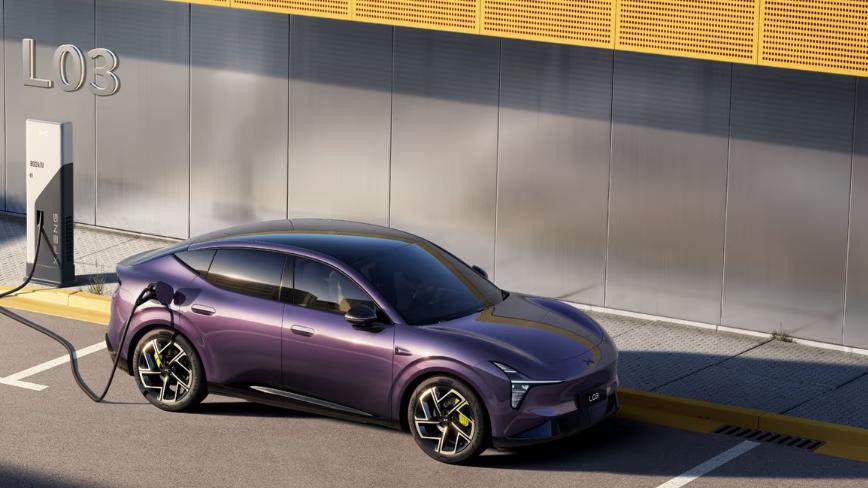
Xpeng L03 launches with proprietary AI chips, challenging Tesla's autonomous driving dominance
16 Jul 2026•Technology
Xpeng Unveils Ambitious AI Ecosystem: Robotaxis, Humanoid Robots, and Flying Cars Powered by Revolutionary VLA 2.0 Model
05 Nov 2025•Technology

Chinese Auto and Tech Giants Challenge Tesla's Self-Driving Dominance
10 Jun 2025•Technology
Recent Highlights



Recent Highlights
Today's Top Stories










Don’t drown in AI news. We cut through the noise - filtering, ranking and summarizing the most important AI news, breakthroughs and research daily. Follow topics that matter to you and stay ahead.


